
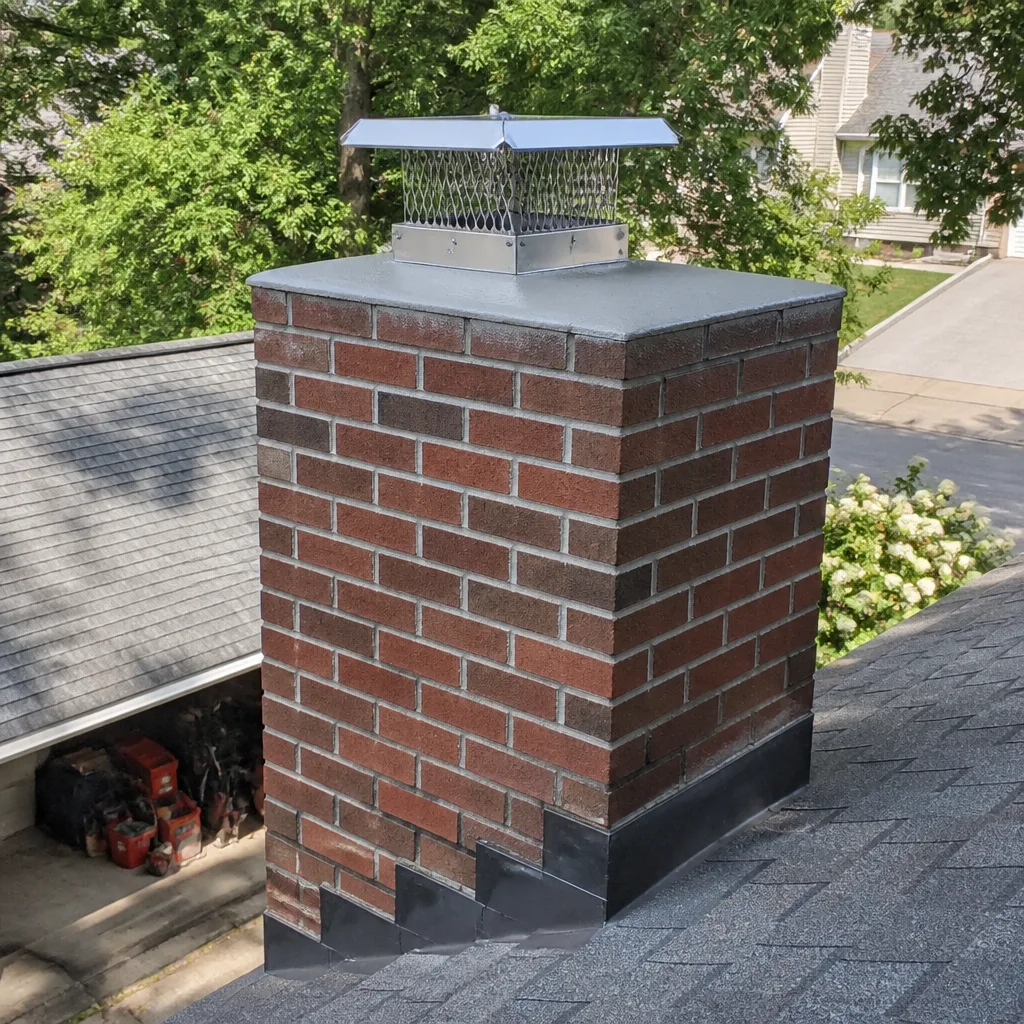
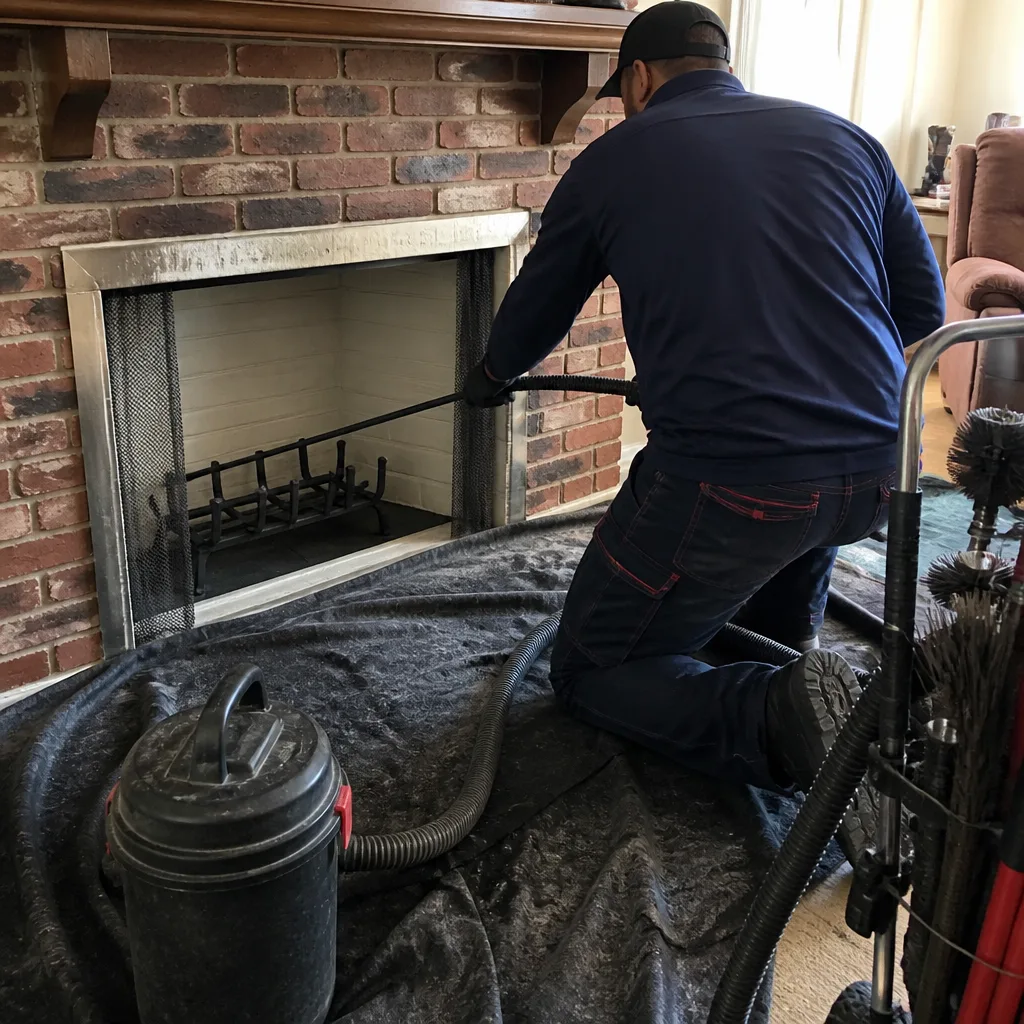
Level 1 sweep and inspection to the NFPA 211 annual standard - flue, crown, cap, and flashing checked and photographed
Chimney sweep logs do not sweep chimneys. They loosen some creosote - which then falls where a brush and vacuum still have to collect it.
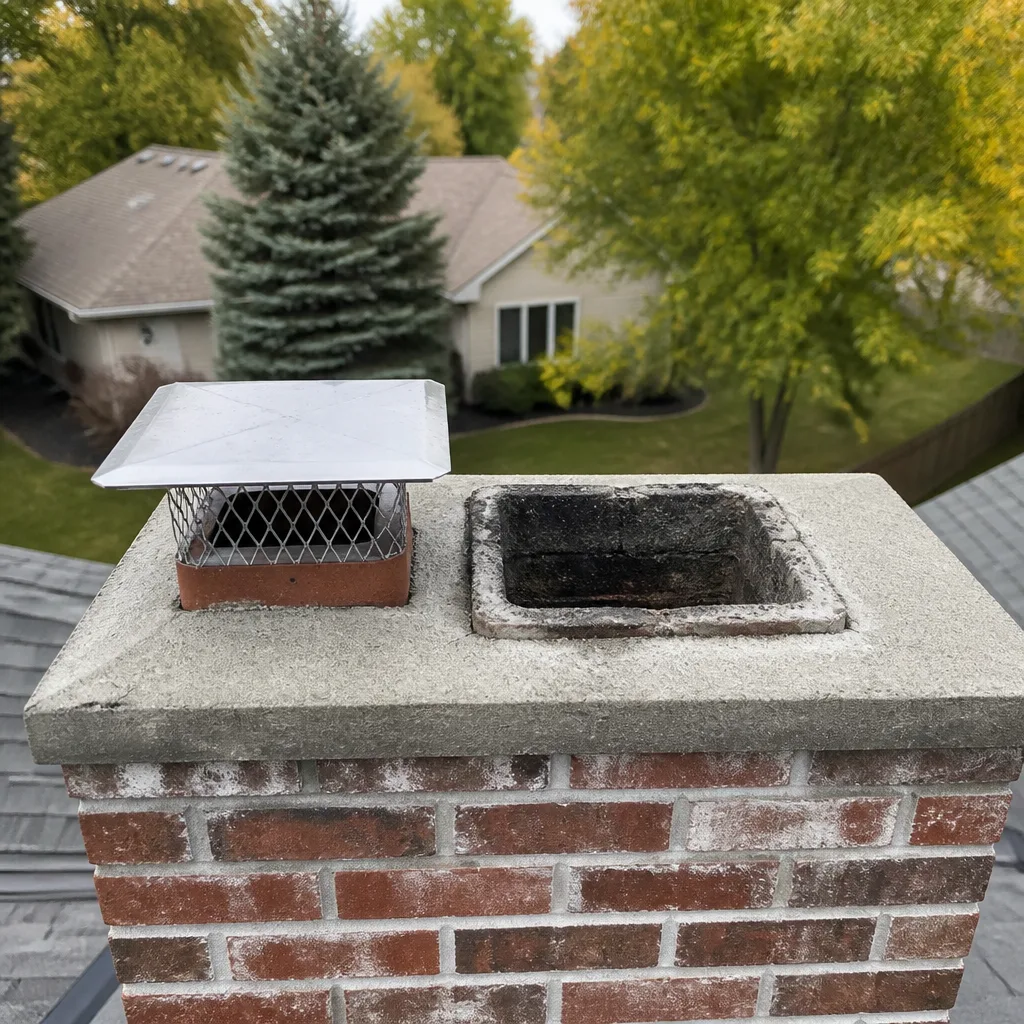
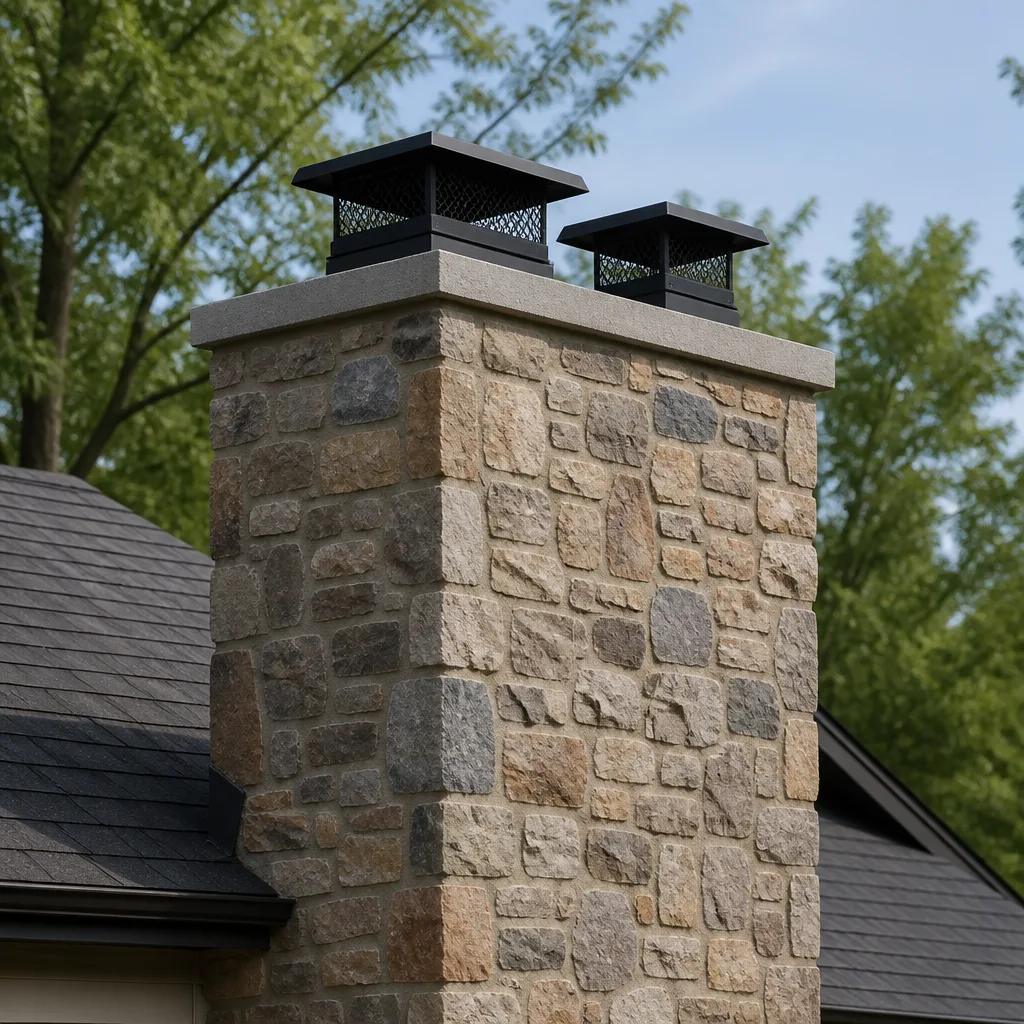
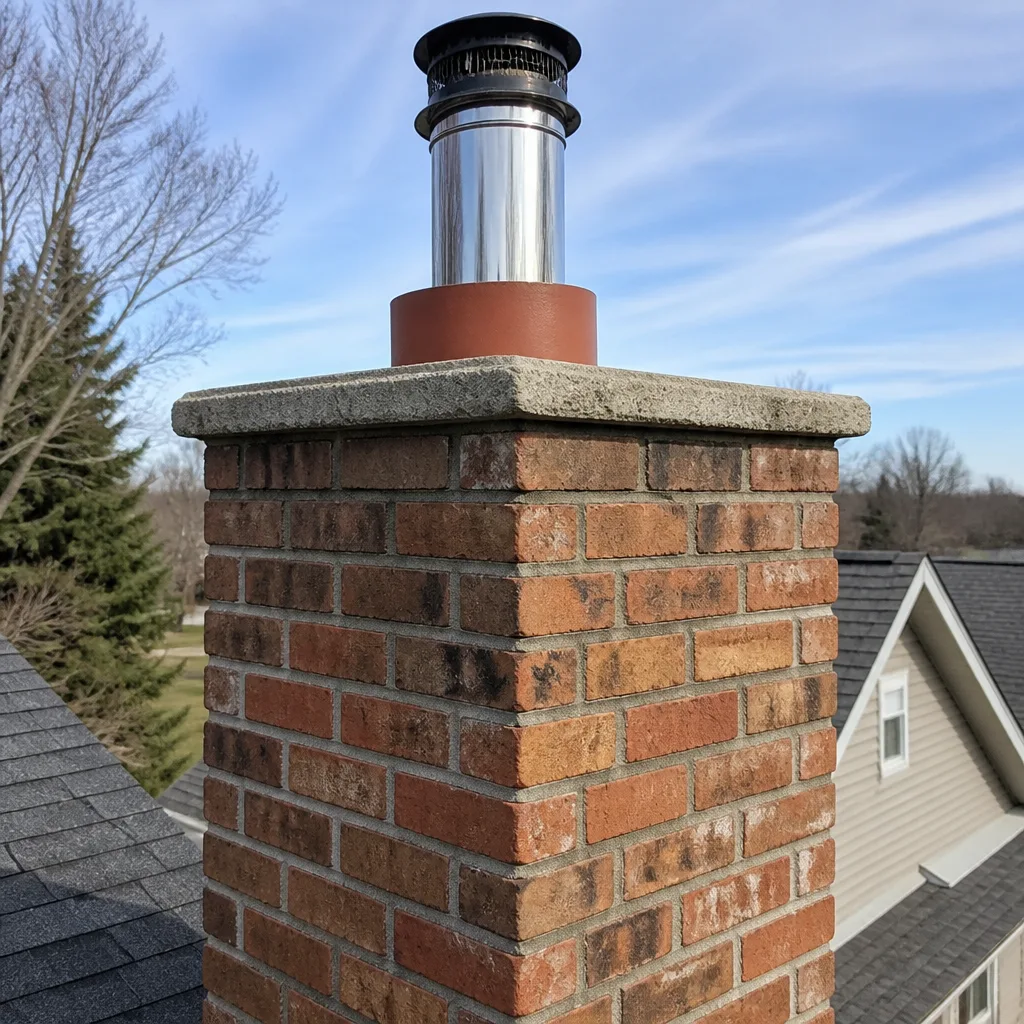
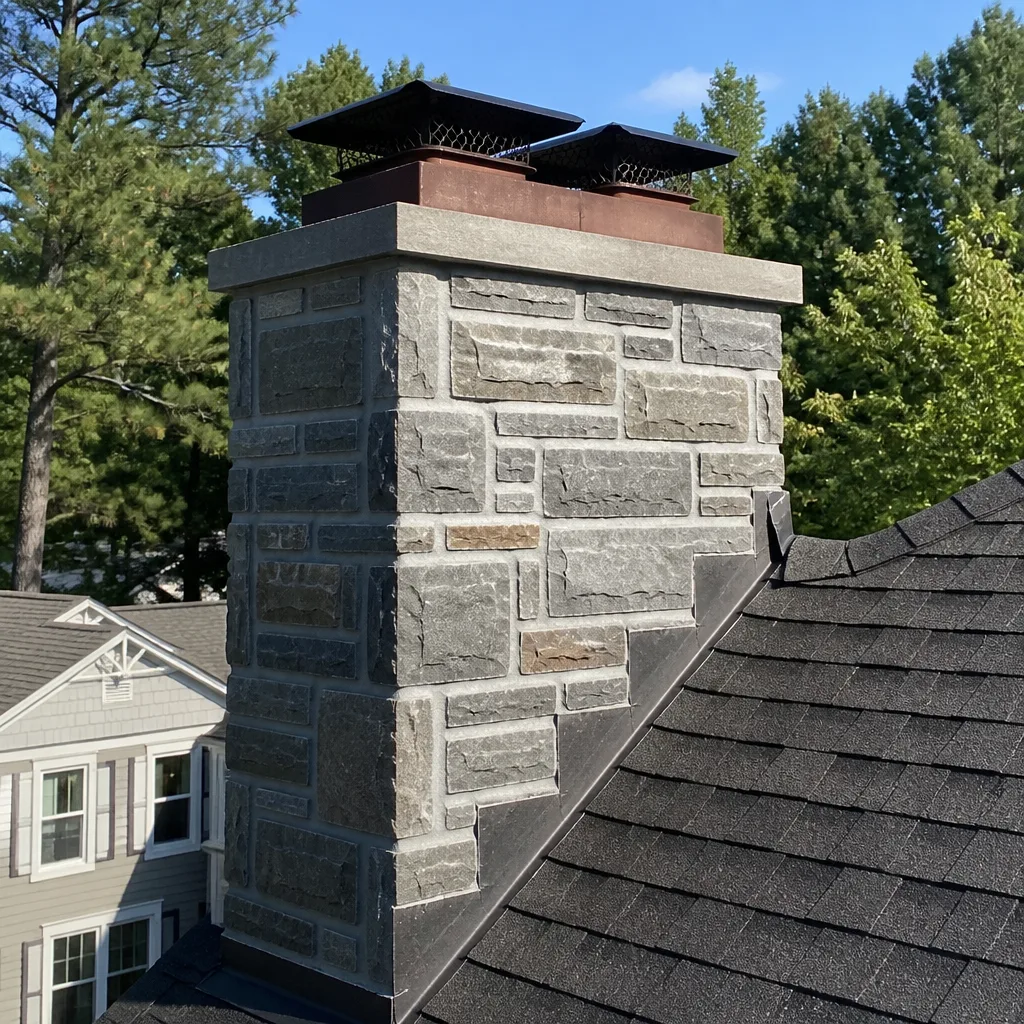
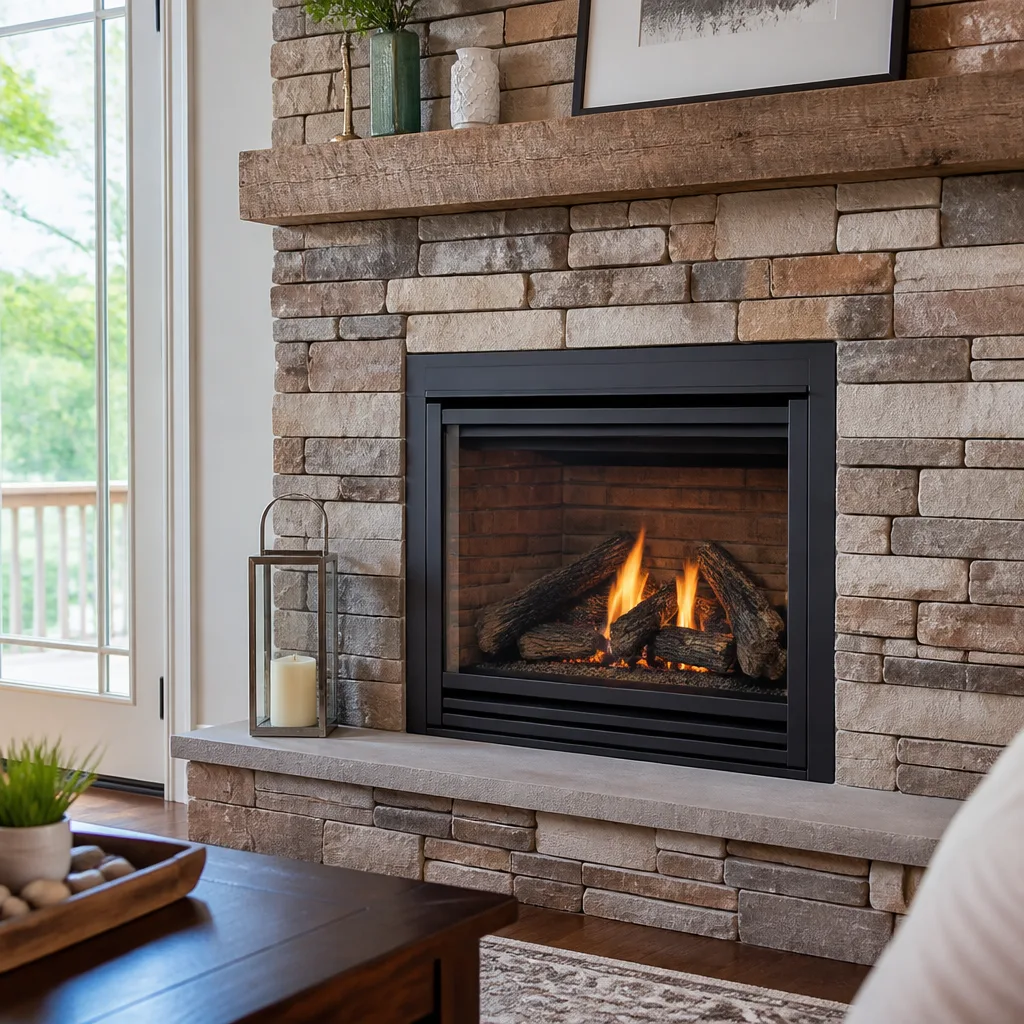
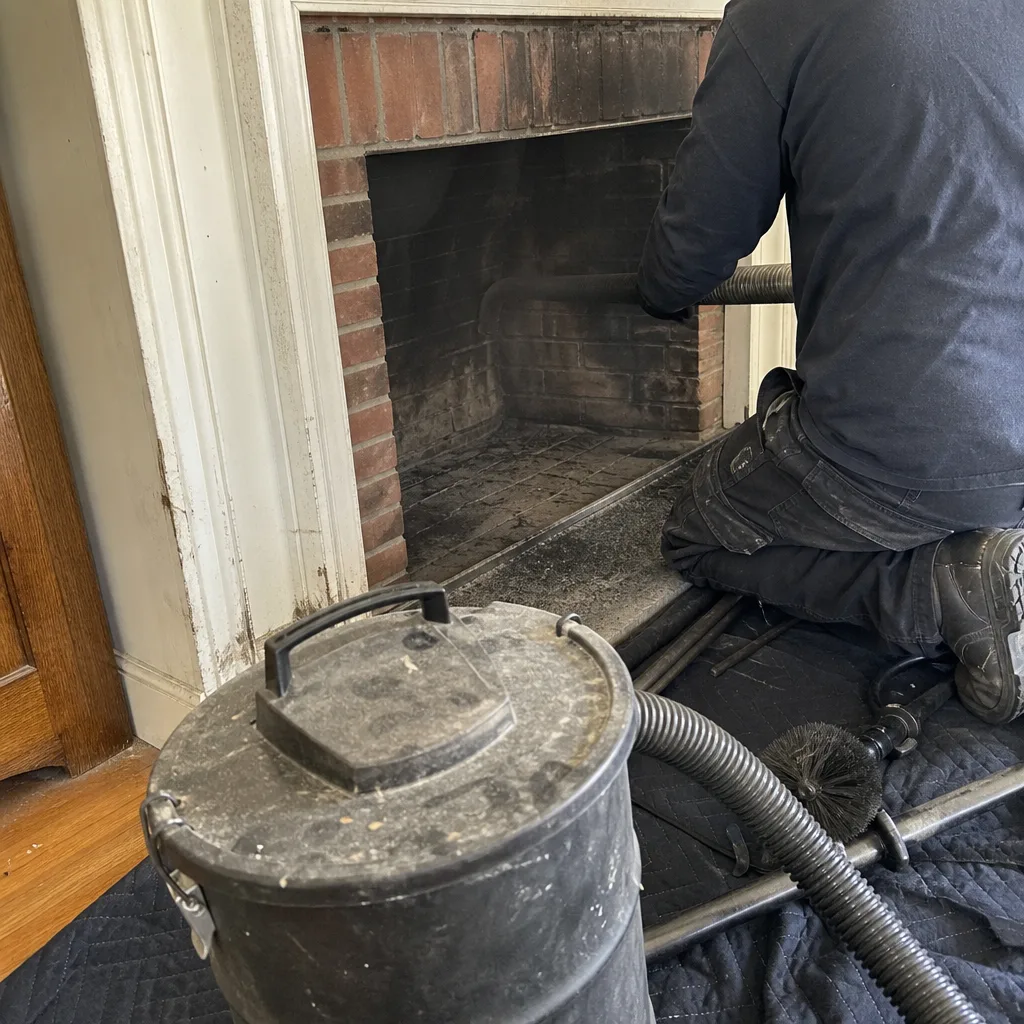 Before
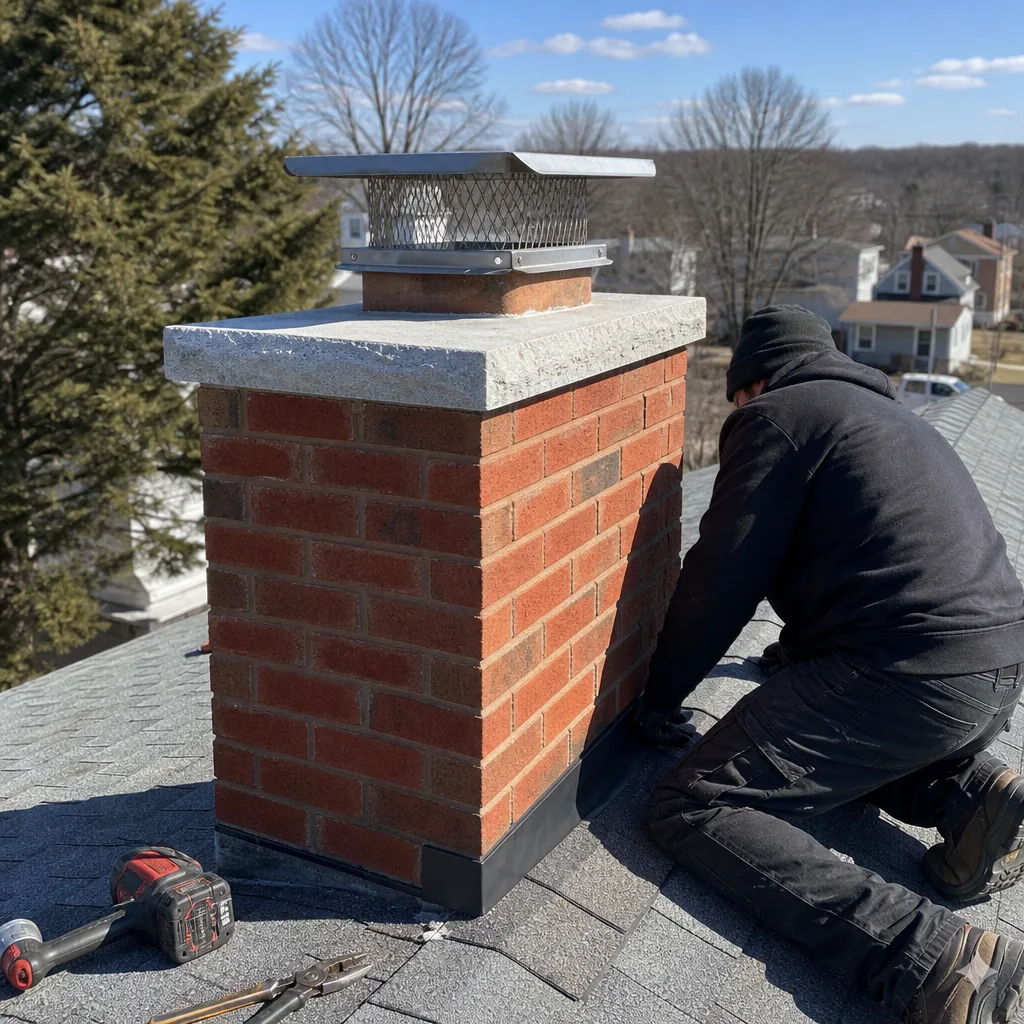 After
After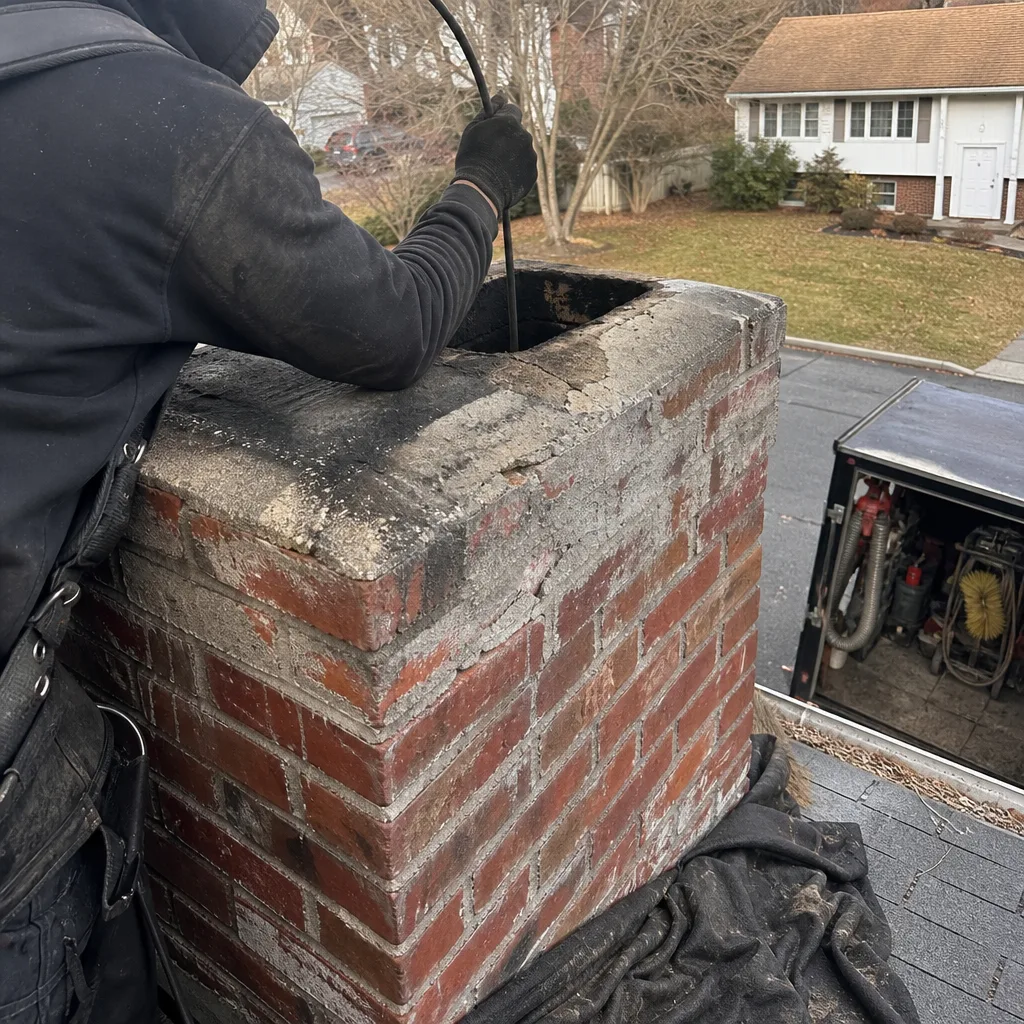 Before
 After
After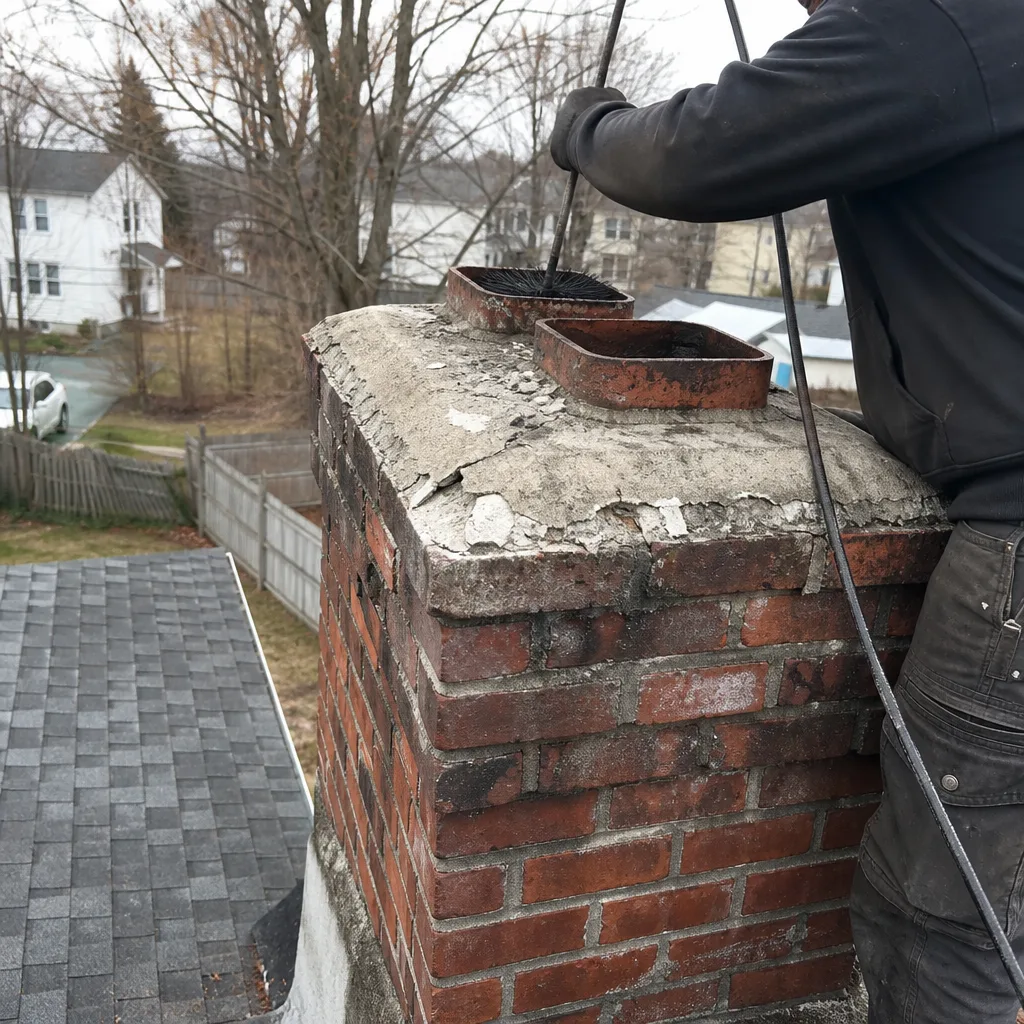 Before
 After
AfterWhy Peabody Homeowners Choose DuraFlex Chimney Cleaning
We provide Duraflex repair in Peabody, including independent DuraFlex chimney cleaning and repair service across the area, and we’ve been working on these liner systems since before most national companies even offered them. What makes our DuraFlex work different is simple: we see how these liners actually behave in the century-old masonry chimneys that dominate downtown Peabody and in the 1950s-70s ranch homes out toward West Peabody, where oil-to-gas conversions are routine. Top Hat Chimney is not affiliated with or authorized by DuraFlex. We’re an independent service provider that works on their products every week, which means we can be honest about what needs fixing and what doesn’t. Call (978) 637-8560 and you’ll reach a live person, not a call center.
Why Trust Top Hat Chimney for Your DuraFlex Chimney Cleaning?
Wendell Pike founded Top Hat Chimney in 1999, and somewhere north of a thousand inspections into this trade, he’s learned a few things about how metal liners fail in North Shore homes that manufacturer spec sheets don’t tell you. DuraFlex SS liners behave one way when they’re running a wood stove at 500 degrees. They behave entirely differently when a homeowner swaps that stove for a low-temperature pellet insert and the liner never gets hot enough to burn off anything. Our crew understands those differences because we’re in Peabody chimneys every week, pulling creosote out of corrugations and reading the residue like a record of how the house has been heated.
We use OEM-compatible DuraFlex components when we repair these systems: connectors, top plates, caps, and the specific fasteners that hold them together. That matters because mismatched aftermarket fittings are the most common cause of leaks at the top of a liner system. And because we’re independent, we’ll tell you plainly when a repair makes sense and when you’d be better off relining with a different product entirely. “If it does not need doing,” Wendell says, “I will tell you that too.”
Every job we do in Peabody carries our 90-Day Done Right Promise in writing. If something’s not right, one call brings the crew back at no charge. That’s not a marketing line. It’s stamped on the work order.
Common DuraFlex Chimney Cleaning Problems We Fix in Peabody
The leather-boom housing stock in central Peabody creates conditions you won’t find in newer suburbs. Homes built from the 1880s through the 1920s often have original unlined masonry chimneys, and many were later retrofitted with DuraFlex liners during oil-to-gas or wood-to-pellet conversions. Those retrofits are where we see most of our calls. Here’s what we actually find:
- Creosote packed into DuraFlex SS corrugations after stove-to-pellet swaps. A 6-inch SS liner sized for a hot-burning wood stove gets paired with a modern pellet insert that runs cooler and produces fine, sticky creosote. This coats the corrugation valleys, chokes draft, and is a serious fire hazard if ignored. We remove it with rotary poly-bristle whips rather than metal cable brushes, which can score the liner wall.
- Pinhole corrosion in DuraFlex AL liners on high-efficiency gas furnaces. Aluminum liners are rated for gas, but modern condensing units produce acidic condensate that pools at low spots in the flue. Over five to ten years, those pinhole leaks vent carbon monoxide into living space. This is one of the most common DuraFlex failures we find in Peabody homes, especially 1960s split-levels and ranches where the furnace was upgraded without resizing the flue. If you have a DuraFlex AL liner and a high-efficiency gas unit, get it inspected.
- Tear-out at the top connector on DuraFlex Pro liners. The Pro line uses a heavier 316Ti alloy, which is good, but the top connector where it meets the cap is the weak point. Repeated cap removal for cleaning, especially if whoever did it last over-torqued the clamp, tears the thin metal at the connection. We see this frequently, and it’s an easy fix when caught early: fresh connector, proper torque, new cap. Left alone, rainwater gets in and accelerates liner failure down the length.
- Ovalized DuraFlex Hybrid liners from tight offset flues. Peabody’s older chimneys often have offset clay tile flues with tight bends. When a smooth-wall Hybrid liner is pulled through those offsets, the wall compresses slightly under tension, reducing internal diameter and draft. The homeowner notices the stove burning lazy or smoke spilling out when they open the door. Repair depends on the location of the deformation: sometimes a realignment at the offset works, sometimes the section needs replacing.
- Rusted-out rain caps on otherwise sound liners. We lose count of how many Peabody homes have a perfectly functional DuraFlex liner and a cap that’s rusted through at the hinge or the screen. One winter of North Shore freeze-thaw and salt air off the Atlantic will do that. We stock DuraFlex replacement caps and install them on the same visit in most cases.
DuraFlex Parts & Our Repair-vs-Replace Approach
We stock genuine DuraFlex components locally: top plates, storm collars, rain caps with and without bird screens, and the connector hardware that keeps the system sealed at the top. That means most cap replacements and connector repairs happen on the first visit, not after a week of waiting on a shipment.
When it comes to the liner itself, we look at the whole system before recommending anything. If the liner has a localized problem, such as a corroded top section or a torn connector, we repair with DuraFlex parts and leave the rest alone. If the liner has failed across its length, has multiple pinhole leaks in an AL liner, or was sized wrong for the current appliance from the start, we’ll say so plainly and recommend a full reline. Sometimes that reline is a new DuraFlex product. Sometimes, based on how the house is heated, a different brand makes more sense. We’re not married to one manufacturer. Wendell runs into you again at the grocery store, so recommending the wrong thing is not an option. Call (978) 637-8560 and we’ll give you a straight answer.
Our DuraFlex Service Process - Step by Step
- 1
Diagnosis. We start with a camera inspection of the full liner length, top to bottom. You see the footage, not just our summary. For DuraFlex systems, we pay specific attention to the corrugation valleys where creosote builds, and the top connector where water entry starts.
- 2
Repair or cleaning plan. Before any work begins, we quote in writing: the number we give you on the phone is the number on the invoice. No surprises after the fact. If a DuraFlex liner just needs a sweep and doesn’t need a new cap or connector, we tell you that.
- 3
Cleaning or repair. For SS and Pro liners running wood appliances, we use rotary poly whips sized to the liner’s internal diameter, paired with a HEPA vacuum to keep dust out of the living space. For AL liners on gas, we use gentler methods that won’t score the aluminum.
- 4
Test and verify. After the work, we run a draft test and re-camera the flue. You get the before and after footage and a plain-English verdict on what we found, what we fixed, and what can wait.
- 5
Warranty. Every DuraFlex service we perform in Peabody carries our 90-Day Done Right Promise in writing. If something’s not right, one call brings us back.
DuraFlex Products We Service & Install in Peabody
We work on the full DuraFlex product range: the SS line in 316L stainless, the AL aluminum liners for gas appliances, the Pro series in heavier 316Ti alloy, and the Hybrid smooth-wall liners. Most of our Peabody work involves SS liners in older homes that burn wood, and AL liners in homes that converted from oil to gas decades ago. We stock common connector hardware, top plates, and caps locally for same-week service. Larger liner sections and specialty components are ordered per job, usually arriving within a few business days.
We Also Service These Brands
DuraFlex isn’t the only liner system we work with. Top Hat Chimney services and installs HeatShield, Gelco, Olympia Chimney, Famco, and Copperfield products as well. If your home has a different liner brand, or you’re deciding between options, we can speak to the trade-offs honestly. Our job is to match the product to how Peabody homes actually heat, not to push one box off the truck.
FAQs - DuraFlex Chimney Cleaning Service in Peabody
Is Top Hat Chimney authorized by DuraFlex?
No, Top Hat Chimney is an independent service provider and is not authorized by or affiliated with DuraFlex. We choose to work with their products because we’ve found them reliable in the field, but we answer to you, not to the manufacturer. That independence means we can tell you when a DuraFlex repair is the right call and when a different product would serve you better.
How often should a DuraFlex SS liner be cleaned when burning wood in Peabody?
Once a year, burn or no burn. An SS liner attached to a wood-burning stove or insert should be swept annually, regardless of how much you think you burned. Chimneys break in the off-season too: moisture, freeze-thaw cycling, nesting animals, and the slow buildup of creosote all happen when the fire isn’t running. Call (978) 637-8560 to schedule your Chimney Cleaning & Sweep; we’ll put it on the calendar and remind you when it’s due.
Can a DuraFlex AL liner be cleaned with a metal brush?
No, it shouldn’t be. Aluminum is a soft metal, and a steel cable brush will score the liner walls and can thin the metal at the corrugation peaks. For gas appliance liners, which typically produce light soot rather than heavy creosote, we use a gentler brush or a vacuum-only pass. If you have an AL liner that’s been cleaned with a metal brush in the past, it’s worth having a camera inspection to check the wall thickness.
Why does my DuraFlex liner smell like tar after a chimney fire?
That tar smell is a sign of third-degree creosote glazing, which is concentrated creosote that has hardened into a shiny, tar-like coating on the liner wall. If you had a chimney fire or a near-fire and the liner now smells like hot tar even when the stove is off, the glaze is still curing and off-gassing. This is not a cosmetic issue. Glazed creosote reduces draft, is extremely difficult to remove, and raises the risk of a second chimney fire. A camera inspection will show us how thick the glaze is and whether the liner can be mechanically cleaned or needs replacing.
Do I need a special cap for a DuraFlex liner on a gas fireplace?
Yes. Gas flues need a cap that prevents rain entry while allowing combustion gases to vent freely. The specific cap depends on your liner’s diameter and whether it’s an AL or SS model. A missing or rusted cap on a gas liner lets water pool at the bottom, which accelerates corrosion and can create a draft problem. We stock DuraFlex caps locally and install them in a single visit in most Peabody homes.
Can you inspect a DuraFlex liner without removing the stove or insert?
Yes, in most cases. We run a camera down the liner from the top, which generally doesn’t require moving the stove. If the appliance blocks top access or the liner has a tight offset, we can sometimes inspect from a cleanout at the bottom instead. Removing a stove or insert is only necessary when the liner or the appliance connector itself needs hands-on repair.
How much does DuraFlex chimney cleaning cost in Peabody?
A standard DuraFlex chimney cleaning and camera inspection in Peabody generally falls between $200 and $350, depending on liner length, accessibility, and how much creosote has built up. Repairs like cap replacement or connector replacement are quoted separately and approved by you before any work begins. We also offer $40 off any repair over $200 and a free second opinion on any competing written estimate. Call (978) 637-8560 for an exact quote; estimates are free and there’s no trip charge inside the county.
Book Your DuraFlex Service in Peabody, MA
If you have a DuraFlex liner in a Peabody chimney and you haven’t had it inspected this year, call us. The number is (978) 637-8560. A live person answers around the clock, and it may well be Wendell himself picking up.
Written by Wendell Pike, Owner at Top Hat Chimney, serving Peabody and the North Shore since 1999.