
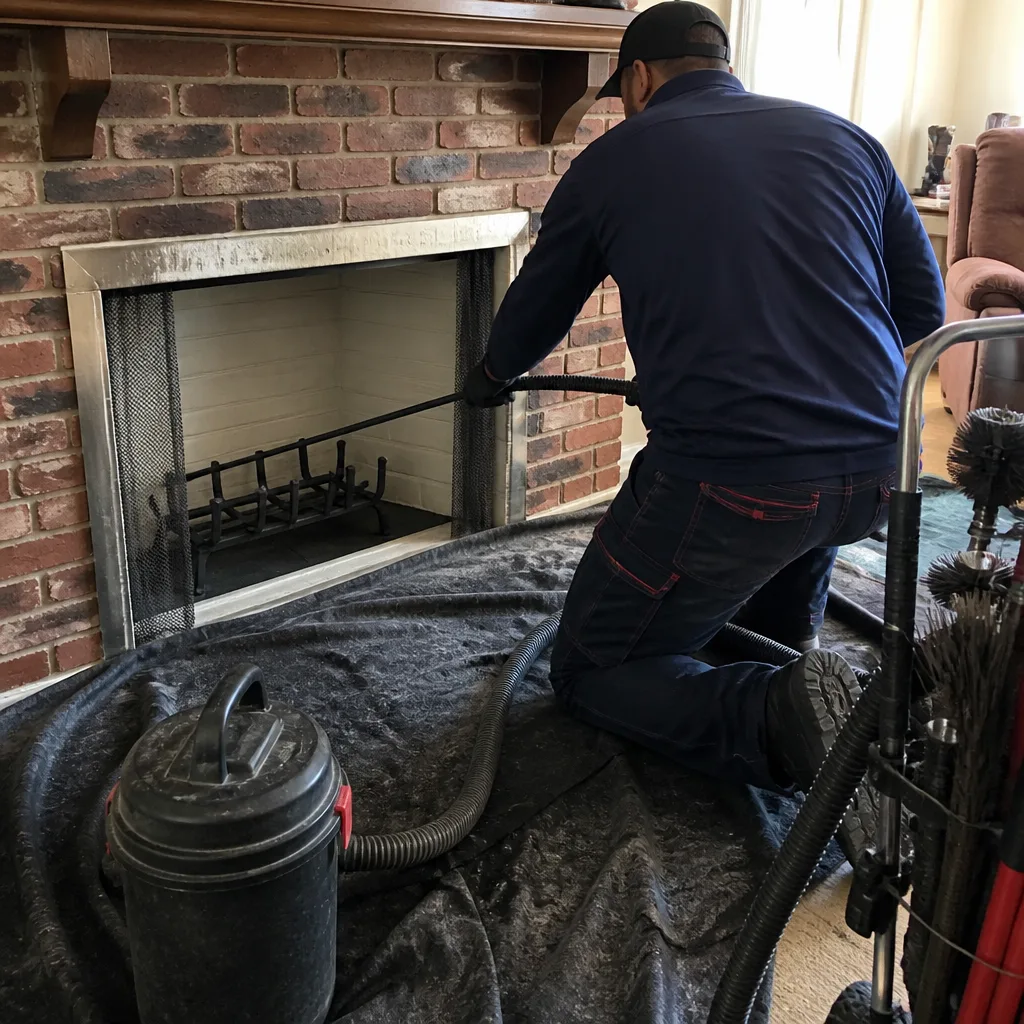
Level 1 sweep and inspection to the NFPA 211 annual standard - flue, crown, cap, and flashing checked and photographed
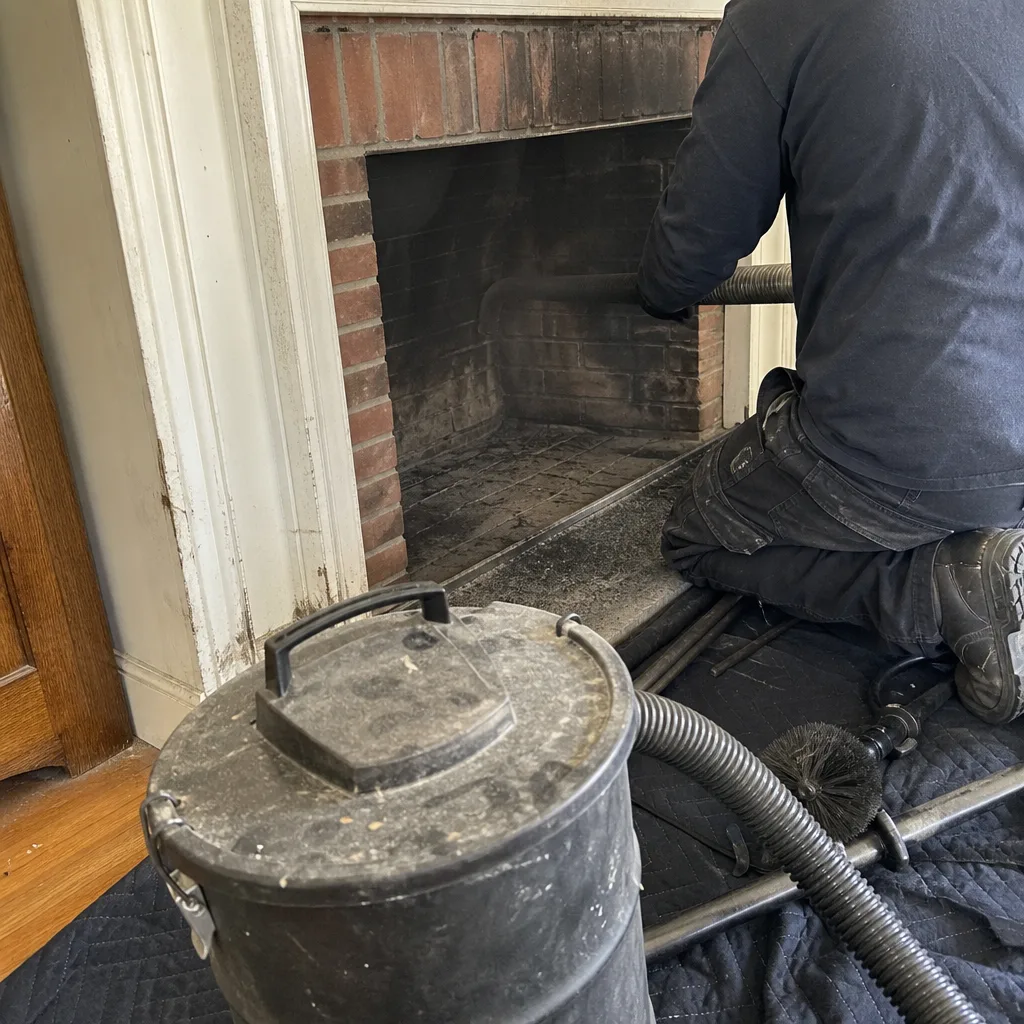
Chimney sweep logs do not sweep chimneys. They loosen some creosote - which then falls where a brush and vacuum still have to collect it.
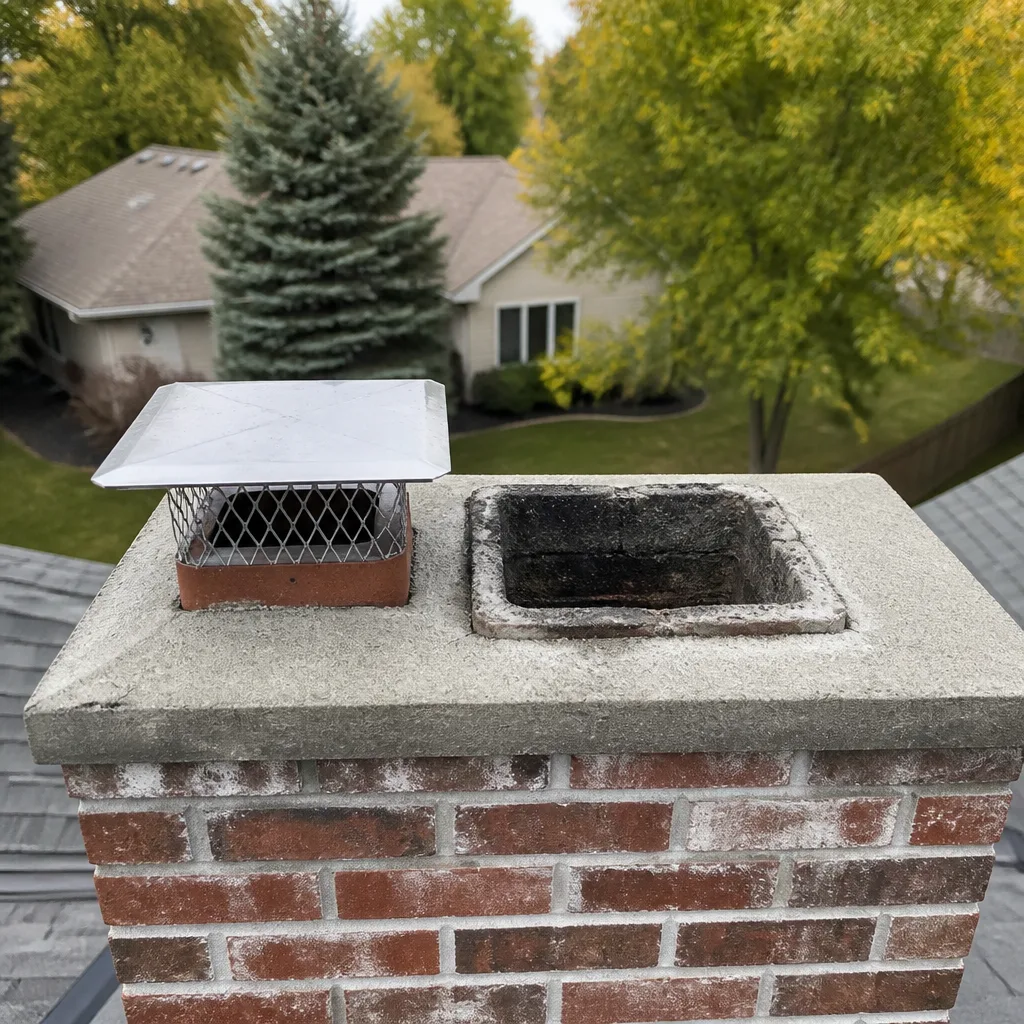
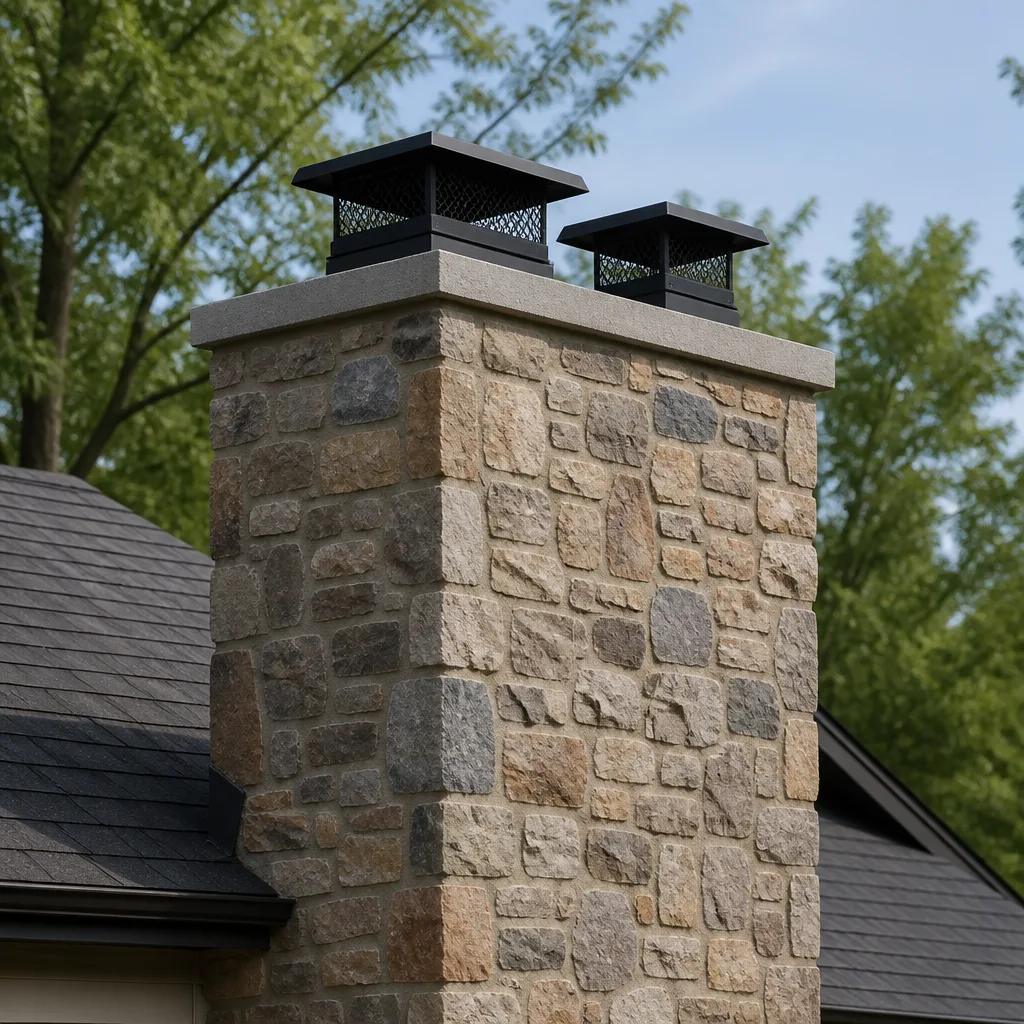
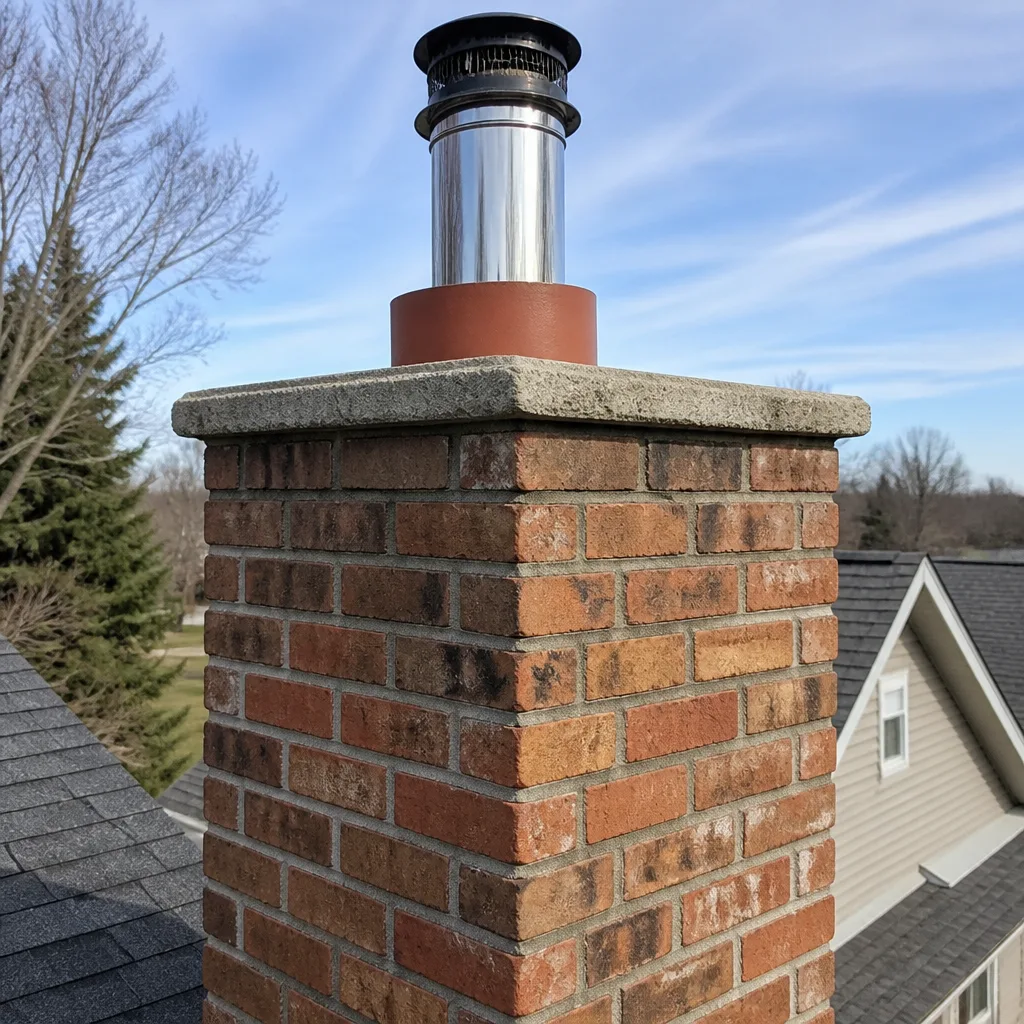
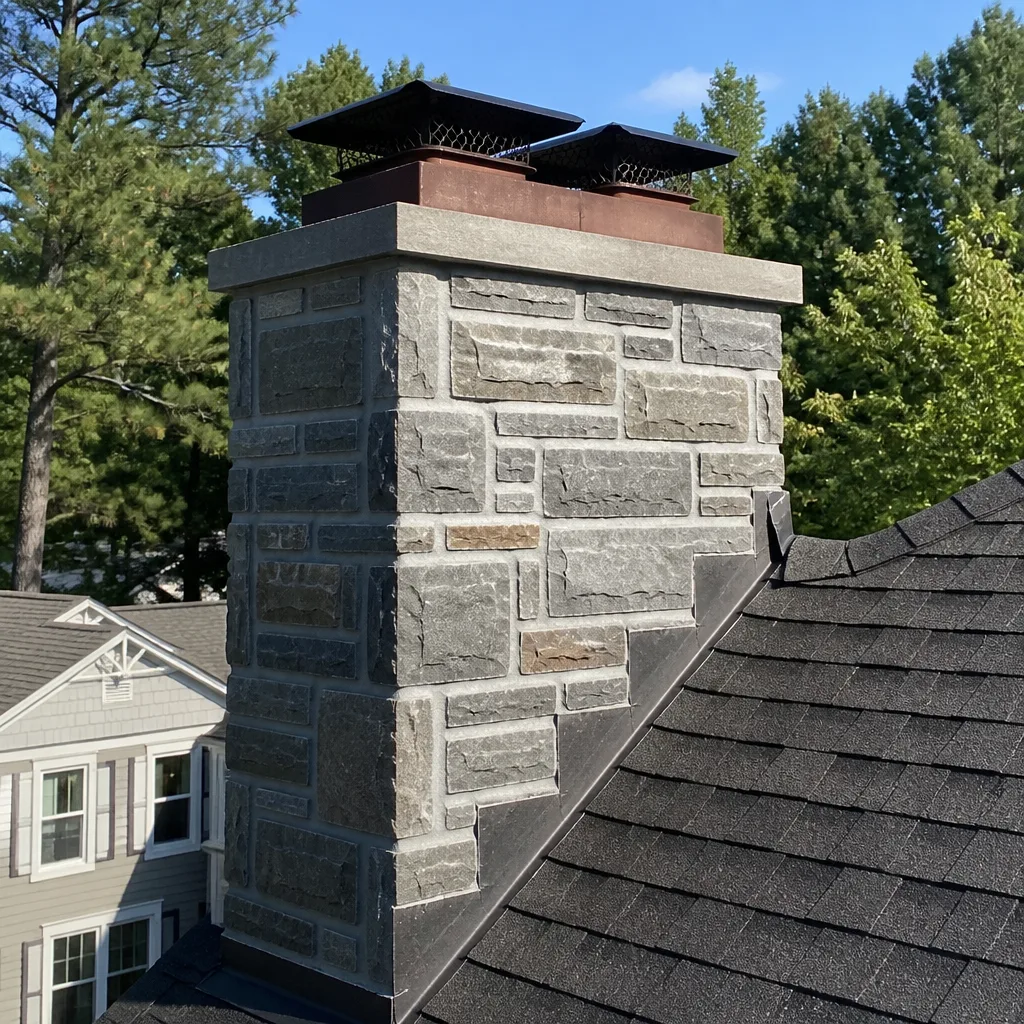
 Before
 After
After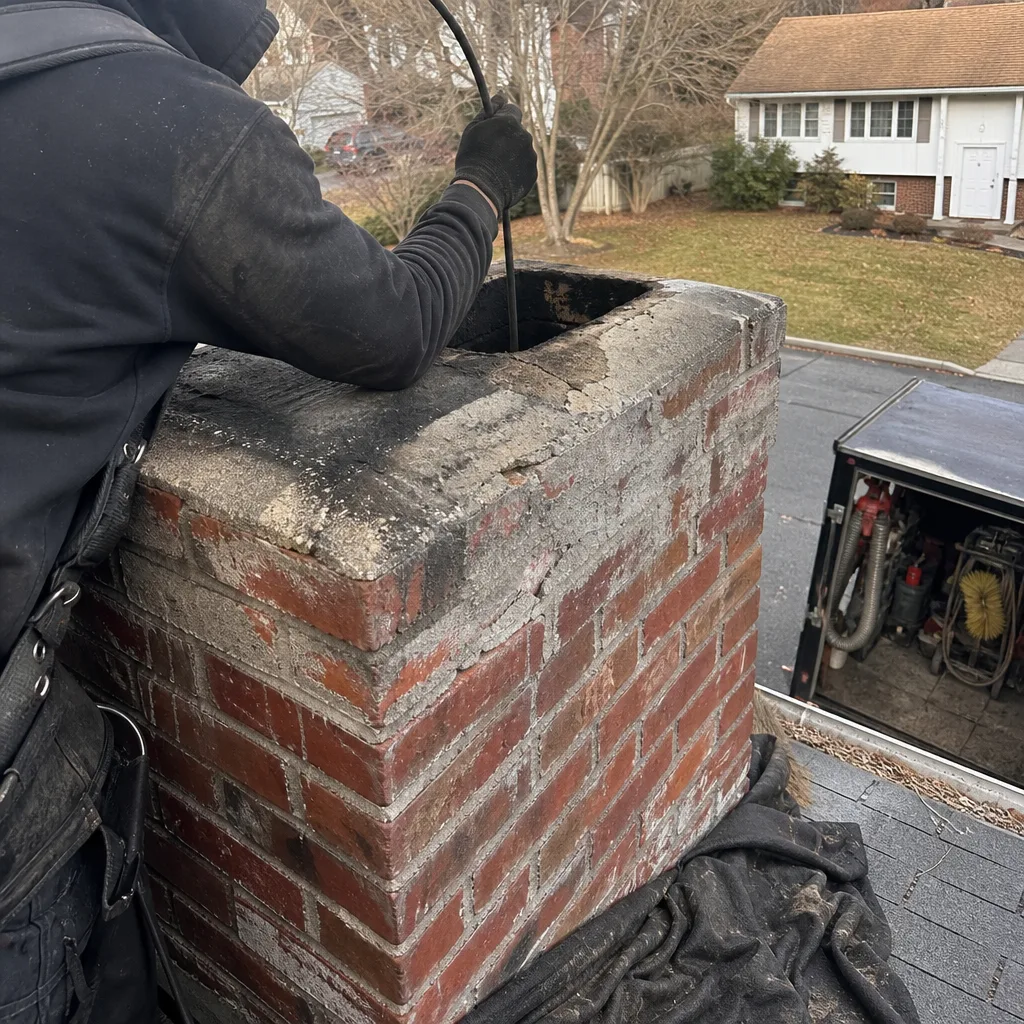 Before
 After
After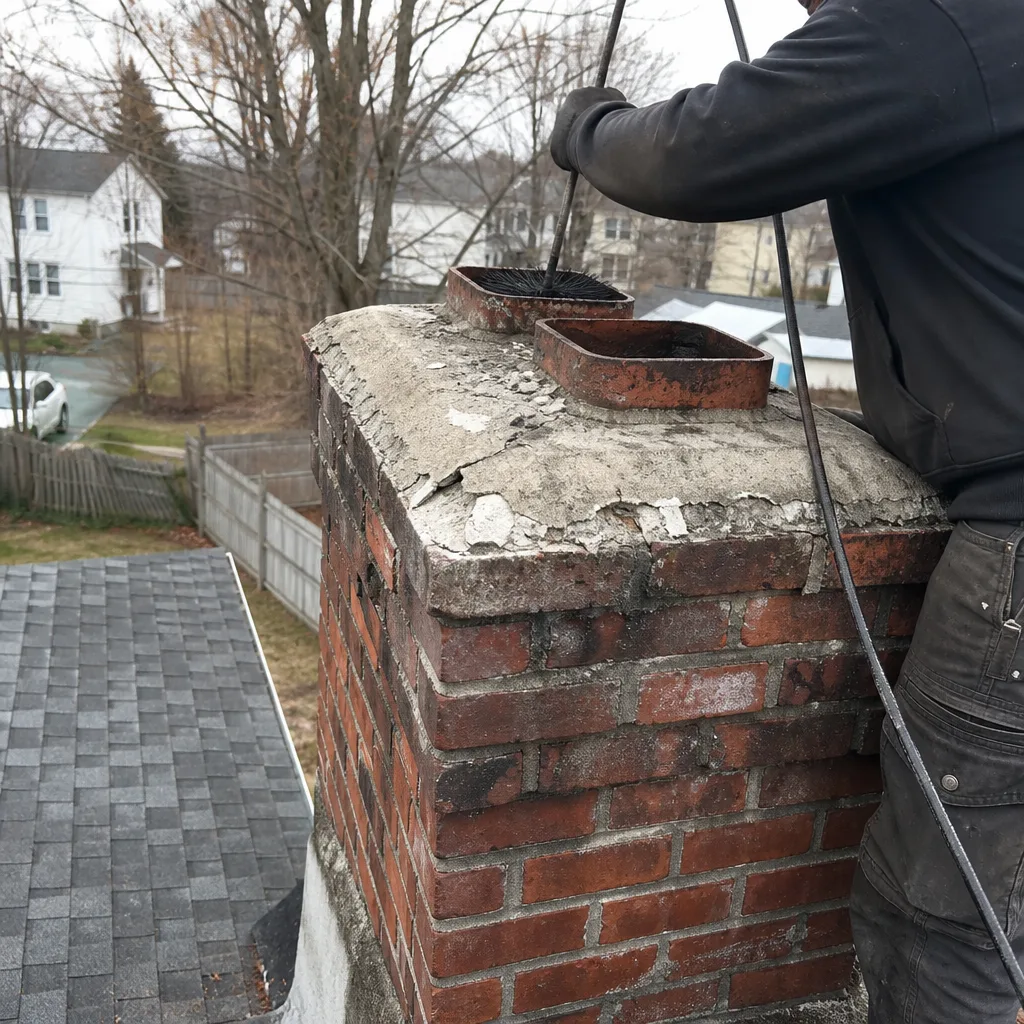 Before
 After
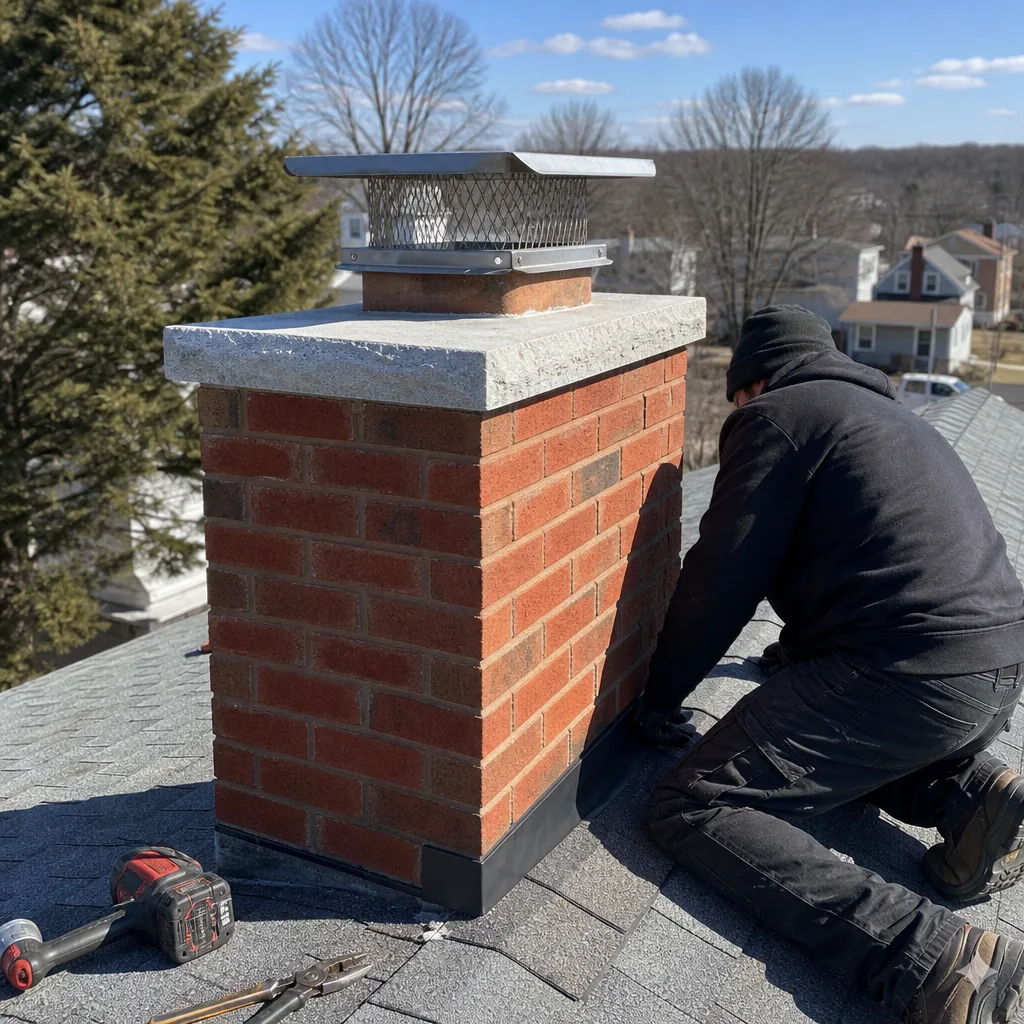
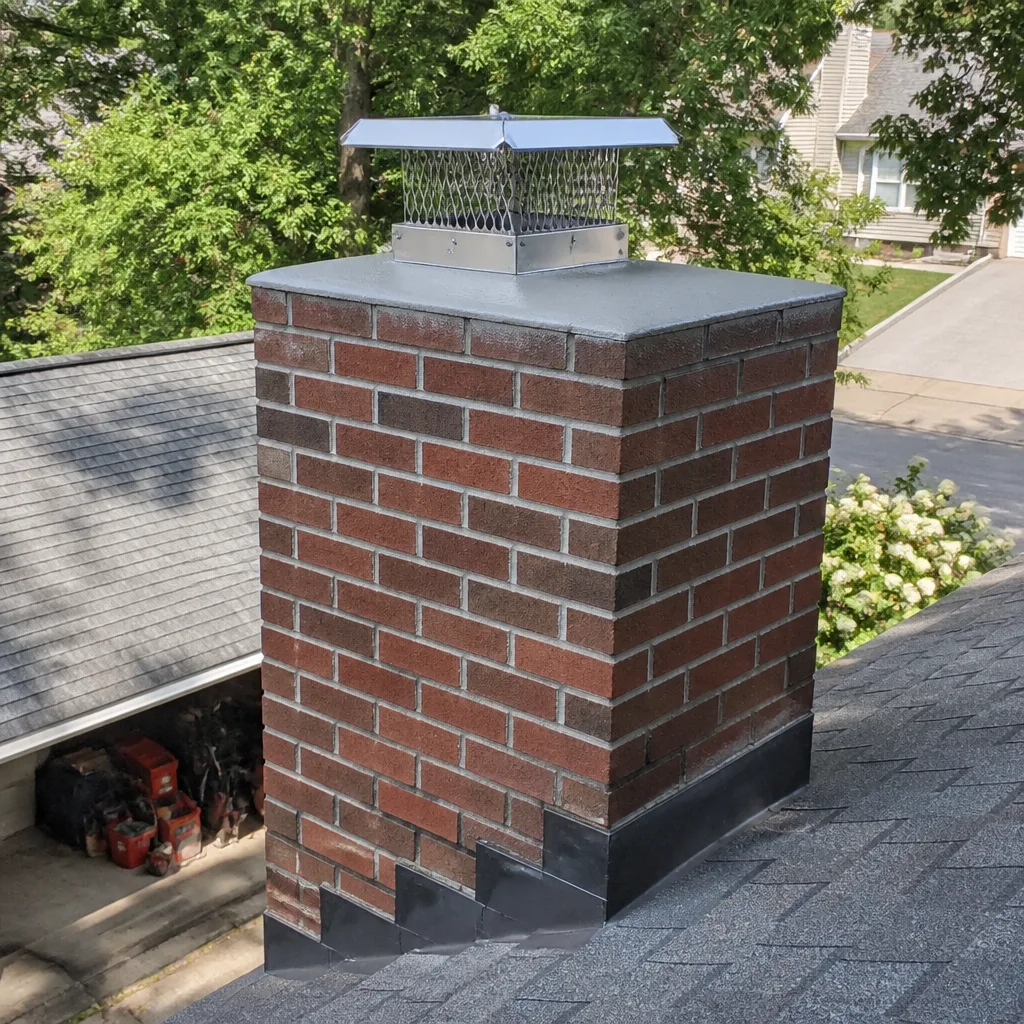
AfterHeatShield Chimney Cap Installation: The Peabody Owner’s Guide
We stock and install HeatShield-compatible chimney caps throughout Peabody, with most installations running between $380 and $690 depending on the flue size, roof pitch, and whether the old cap has rusted itself to the crown. Most Peabody homeowners discover the failure the same way: they hear a rattle in the wind, notice water staining on the ceiling near the chimney, or spot the cap leaning like a drunk at a wedding after last night’s nor’easter. Wendell Pike and his crew keep the common HeatShield cap sizes on the truck and can usually get it swapped the same visit.
Which HeatShield Models This Applies To
HeatShield makes caps in two families that we see constantly in Peabody: the single-flue caps for standard masonry chimneys and the multi-flue caps that span a wider crown. The single-flue caps come in 8×8, 8×13, and 13×13 flue sizes, while the multi-flue units are built to field measurements. Most Peabody chimneys built before 1980 in the West End and South Peabody neighborhoods have a standard 8×13 clay flue liner, which narrows it down fast.
Here’s the gotcha: HeatShield caps dated before roughly 2013 used a different screen tab pattern on the base, and the newer bases don’t always seat cleanly on the old mounting brackets. You can’t always tell from street level. The fastest way is to look at the orange HeatShield label on the underside of the cap lip if you still have the original paperwork, the model numbers that start with HSF (single-flue) or HMF (multi-flue) are the ones we can match directly. If the label’s gone, we measure the flue tile and the crown overhang on site. That measurement tells us more than the model number half the time.
On OEM versus aftermarket: HeatShield’s OEM caps are solid, but the stainless mesh they used in older production runs was 19-gauge, and against the salt air we get even this far from the water, that mesh breaks down. We stock a 16-gauge stainless replacement mesh that holds up better in Massachusetts weather and costs less than shipping an OEM replacement. It’s the honest choice, and we’ll tell you that too. Top Hat Chimney is an independent chimney company, not a HeatShield dealer or affiliate.
Signs Your HeatShield Chimney Cap Installation Is Failing
- Rust blooms running down the crown. The screen and base are stainless, but the attachment brackets on older HeatShield caps were zinc-coated, and once the zinc goes in Peabody’s freeze-thaw cycles, the bracket swells and cracks the crown sealant.
- A cap that’s off-level or rocking in the wind. That usually means one leg or bracket has sheared at the screw hole. It’s not a repair; it’s a teardown and replacement, because the remaining legs are about to go.
- Water staining below the chimney inside the house. The cap’s spark arrestor screen clogs with creosote and leaves, water backs up, and runs down between the flue tile and the masonry. By the time the ceiling shows it, it’s been leaking informally for a season.
- Mesh screen with holes through it. A cap with a torn screen is doing half its job. It’s no longer keeping birds and squirrels out of your flue, and you’re one nesting season away from a blocked flue and smoke backing into the house.
- Debris around the crown that wasn’t there last fall. Mortar chips, pieces of screen, or cap shards on the roof below the chimney mean the cap is shedding parts. That’s a replacement, not a tightening.
Replacement Cost & What’s Included
In Peabody, a HeatShield chimney cap replacement runs $380 to $690 installed. The range comes down to three things: single-flue or multi-flue, roof height and pitch, and whether the old mounting brackets stripped out the crown anchor bolts when they failed. A standard 8×13 single-flue cap on a walkable roof sits at the lower end. A multi-flue cap on a steep pitch in a West Peabody dormered roof runs toward the top.
That price includes the cap itself, new stainless mounting hardware, sealing the crown anchors, brushing the screen free of any existing creosote, and a photo of the finished install before we climb down. We quote upfront, before a single tool comes off the truck, and the number you hear on the phone is the number on the invoice. You’ll also get $40 off any repair over $200, which applies to most cap replacements right out of the gate. And the whole job is covered by the 90-Day Done Right Promise: if it’s not right, one call brings Wendell back, no charge.
DIY or Call Us?
I grew up in San Diego and learned the trade at Palomar College, and I’ve been on enough Peabody roofs to say this plainly: a chimney cap replacement usually means working on a sloped surface, at height, with two hands needed for the cap and one eye on the crown. The older neighborhoods around the West End have steep pitches and wet moss in the spring that’ll put you on your back before you know it. We don’t recommend that.
What you can check from the ground: look up with binoculars and check for rust tracks, a tilted cap, or missing screen sections. That tells you if it’s failing. What you shouldn’t do: climb up with a drill and a YouTube video. The mounting brackets are under the cap base, the old bolts are usually seized, and the crown is brittle from decades of freeze-thaw. We’ve rebuilt crowns that a failed DIY attempt left chipped open to the weather. If it does not need doing, we’ll tell you that too. If it does, call (978) 637-8560 and we’ll bring the cap that fits the first time.
FAQs
You’ll get 7 to 12 years out of a HeatShield cap in this climate, depending on how close you are to the salt air and whether your flue runs hot wood fires that bake the mesh. The screen is usually the first part to go. If you’re past year 10 and seeing rust blooms, we’d swap it before the brackets fail and damage the crown. Call (978) 637-8560 for an exact look at yours.
Sometimes the mesh can be re-wrapped with a heavier 16-gauge stainless screen and the cap reused, but if the brackets or base are rusted or cracked, the repair won’t hold a Peabody winter. We’ll show you the damage on camera and give you a plain-English verdict; we don’t sell a replacement when repair makes sense.
A standard single-flue HeatShield cap swap is a 45-minute job on a walkable roof. Multi-flue or steep-pitch installs with stubborn old brackets can run two hours. We’ll tell you the window before we schedule, and we call if it slips.
We stock the common single-flue HeatShield sizes (8×8, 8×13, 13×13) and the 16-gauge replacement mesh on the truck, so most Peabody cap replacements are done the same visit. Multi-flue caps are cut to field measurements and take about three business days. We also carry caps and parts from DuraFlex and Gelco if your chimney turns out to need a different fit.
Give us a call at (978) 637-8560 and we’ll get you a straight answer and a free estimate before any work is scheduled.
Written by Wendell Pike, Owner, Top Hat Chimney at Top Hat Chimney, serving Peabody and nearby areas.