
Level 1 sweep and inspection to the NFPA 211 annual standard - flue, crown, cap, and flashing checked and photographed
Chimney sweep logs do not sweep chimneys. They loosen some creosote - which then falls where a brush and vacuum still have to collect it.
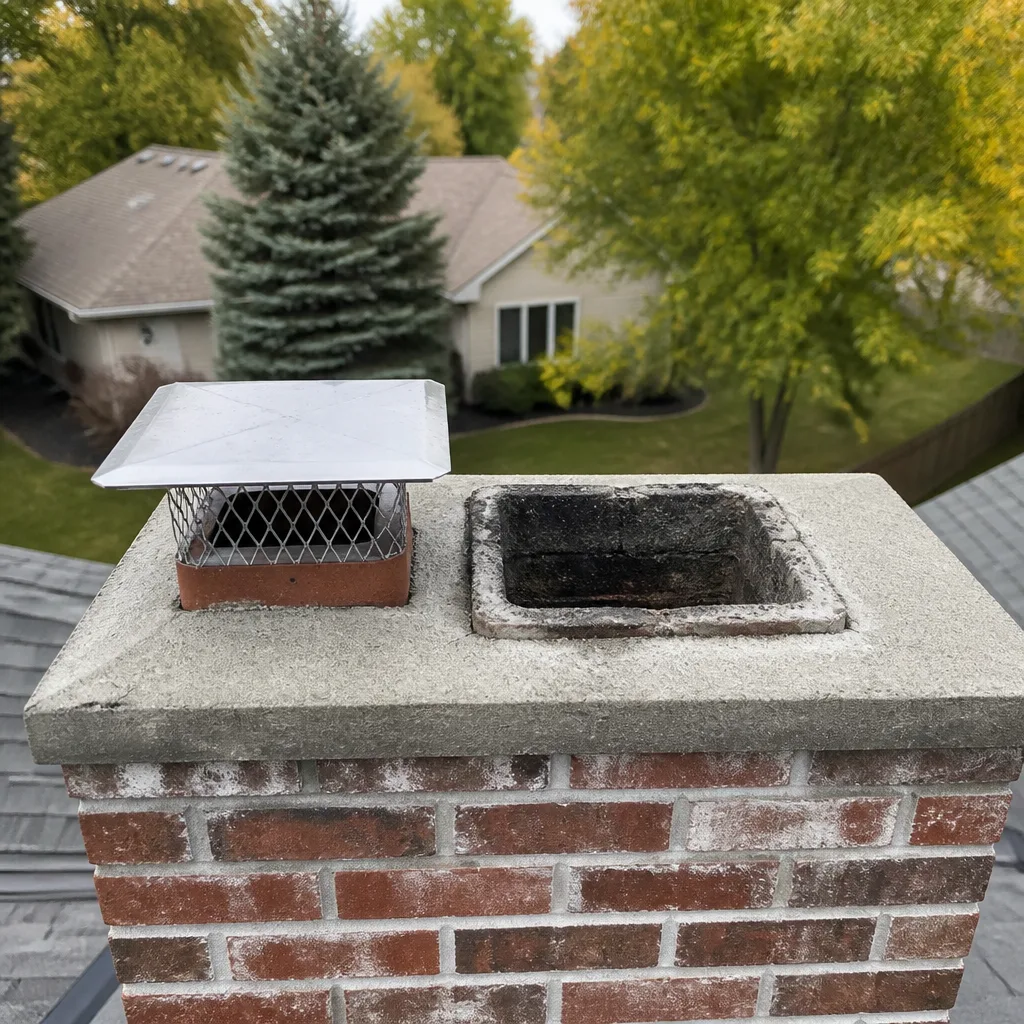
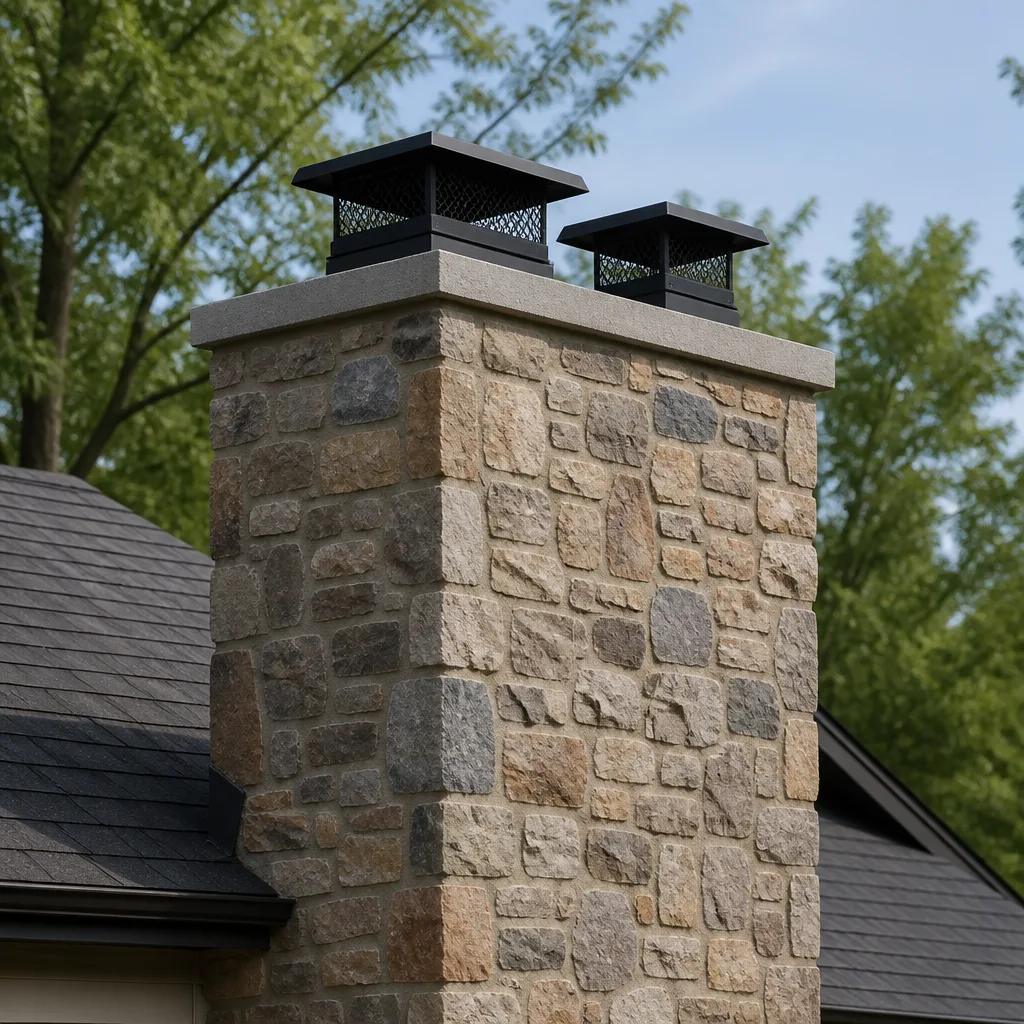
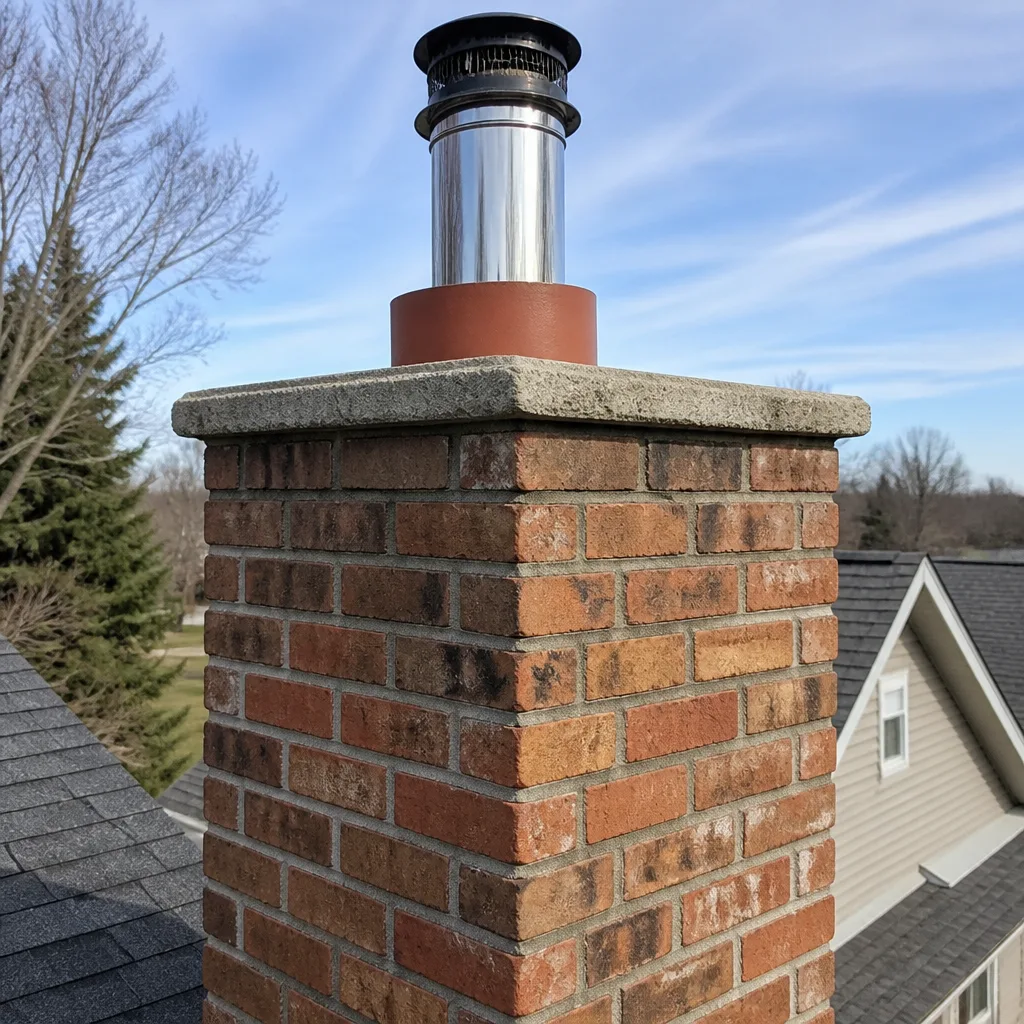
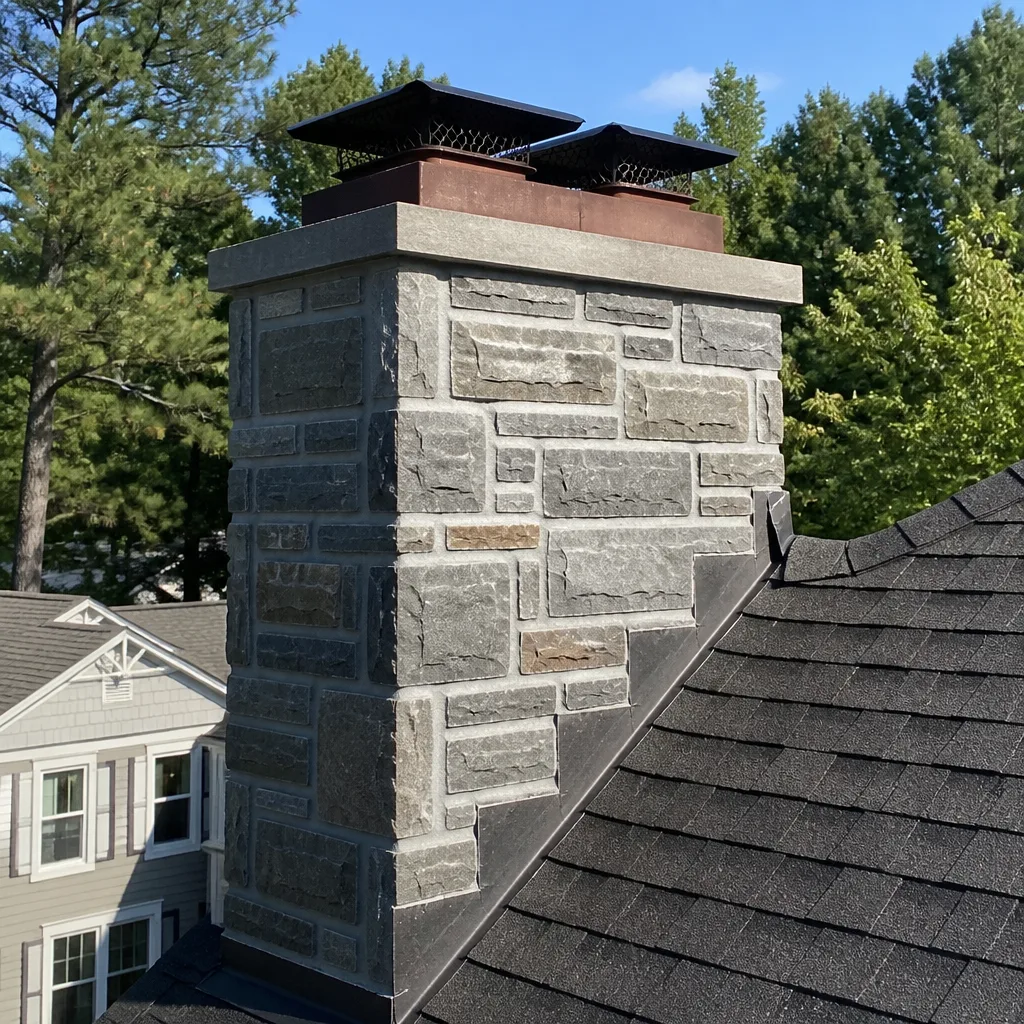
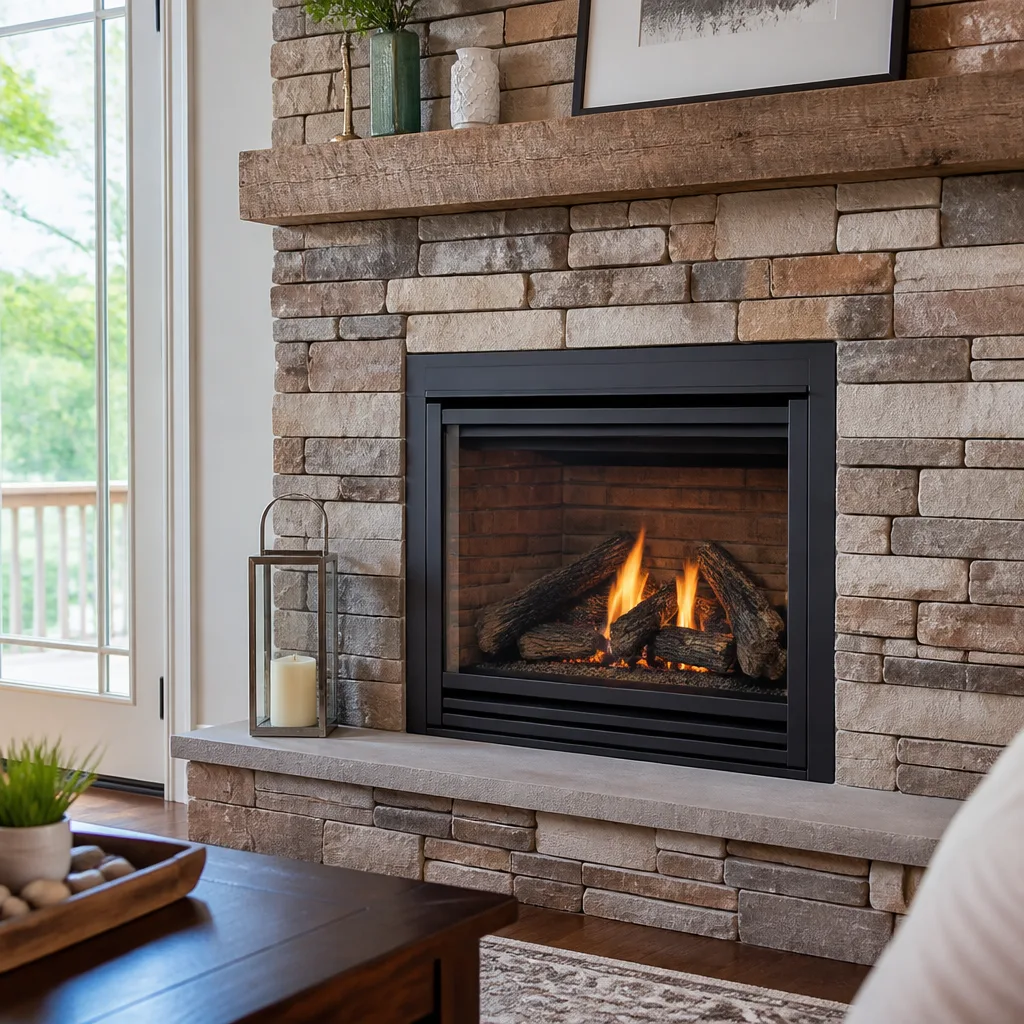
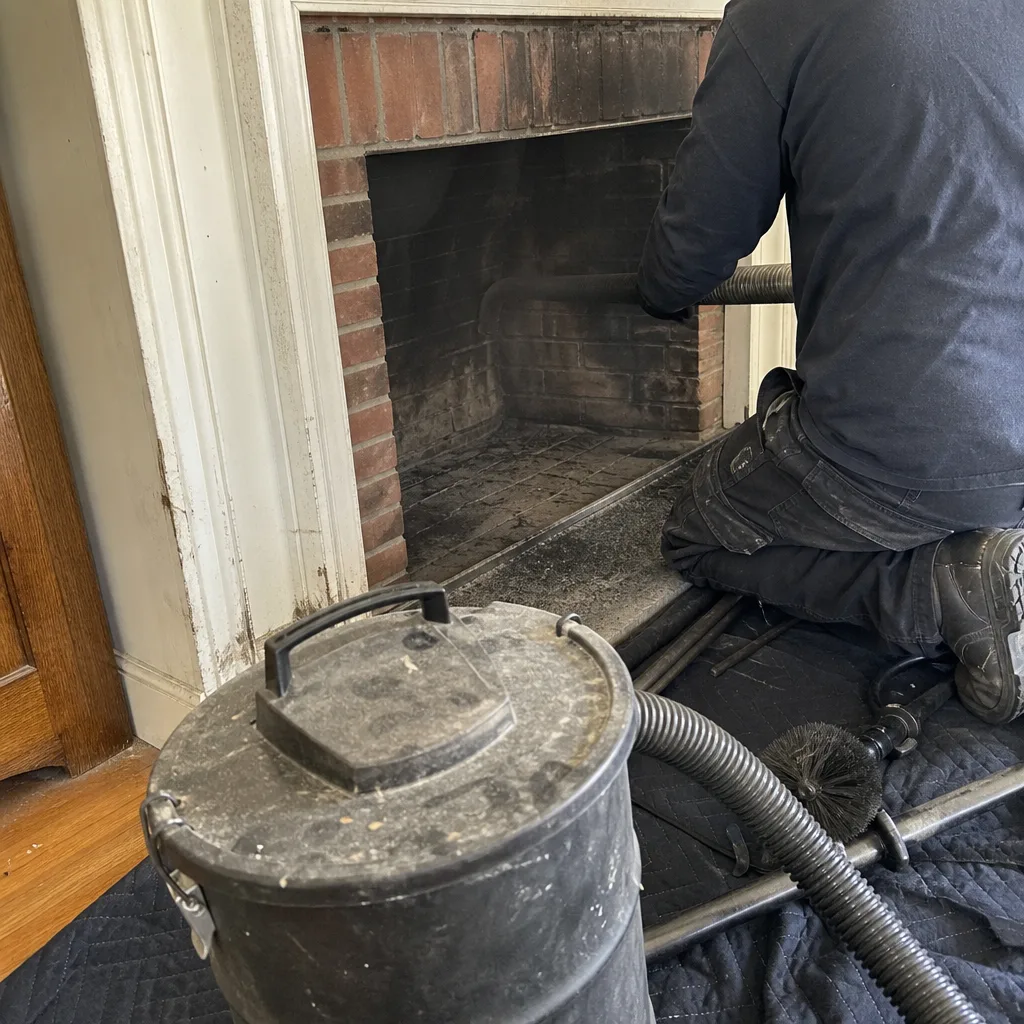 Before
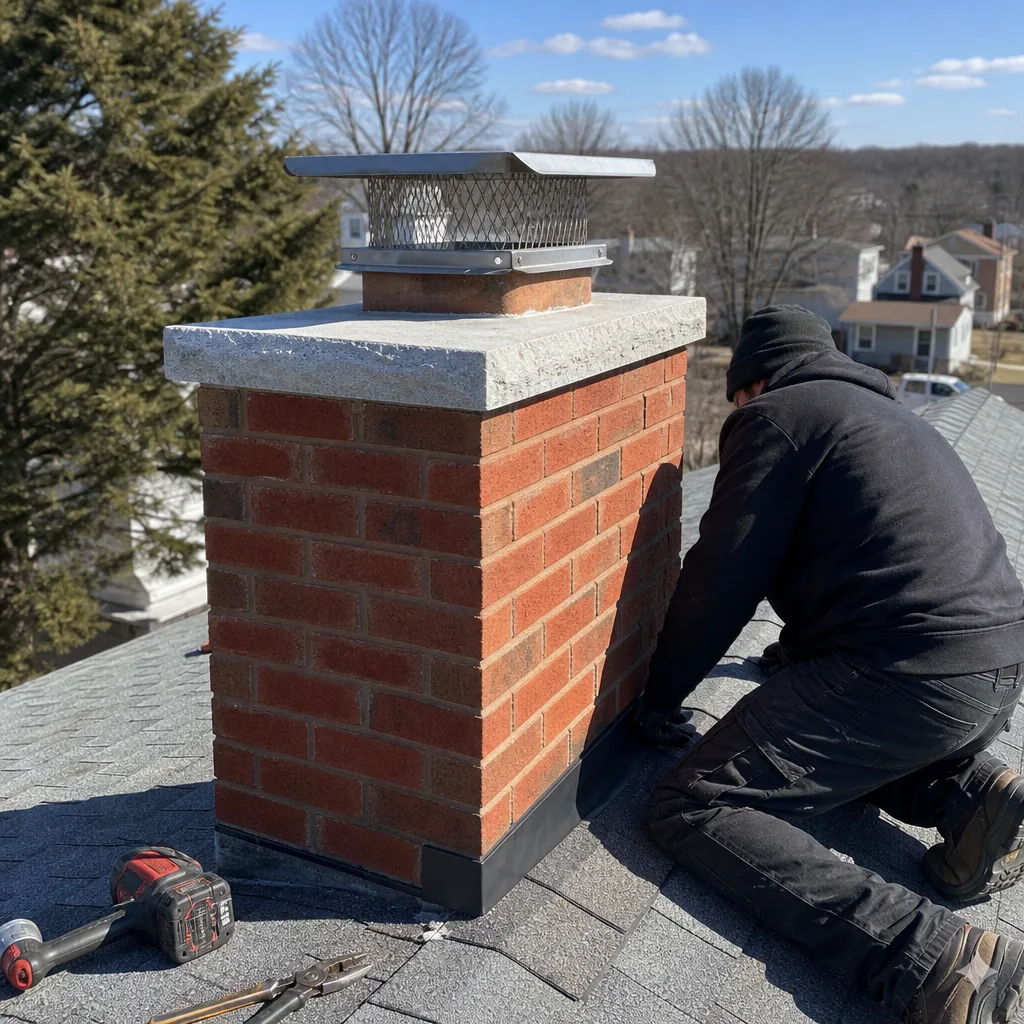 After
After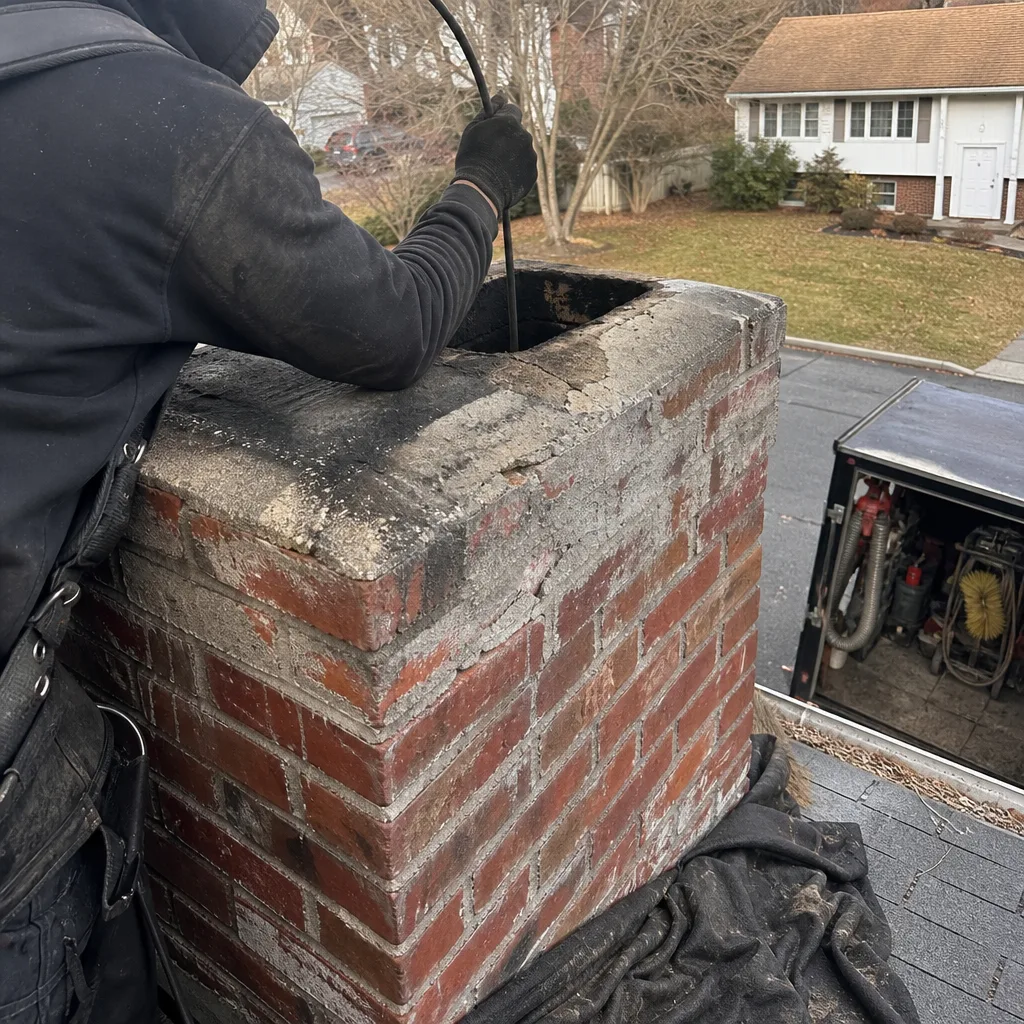 Before
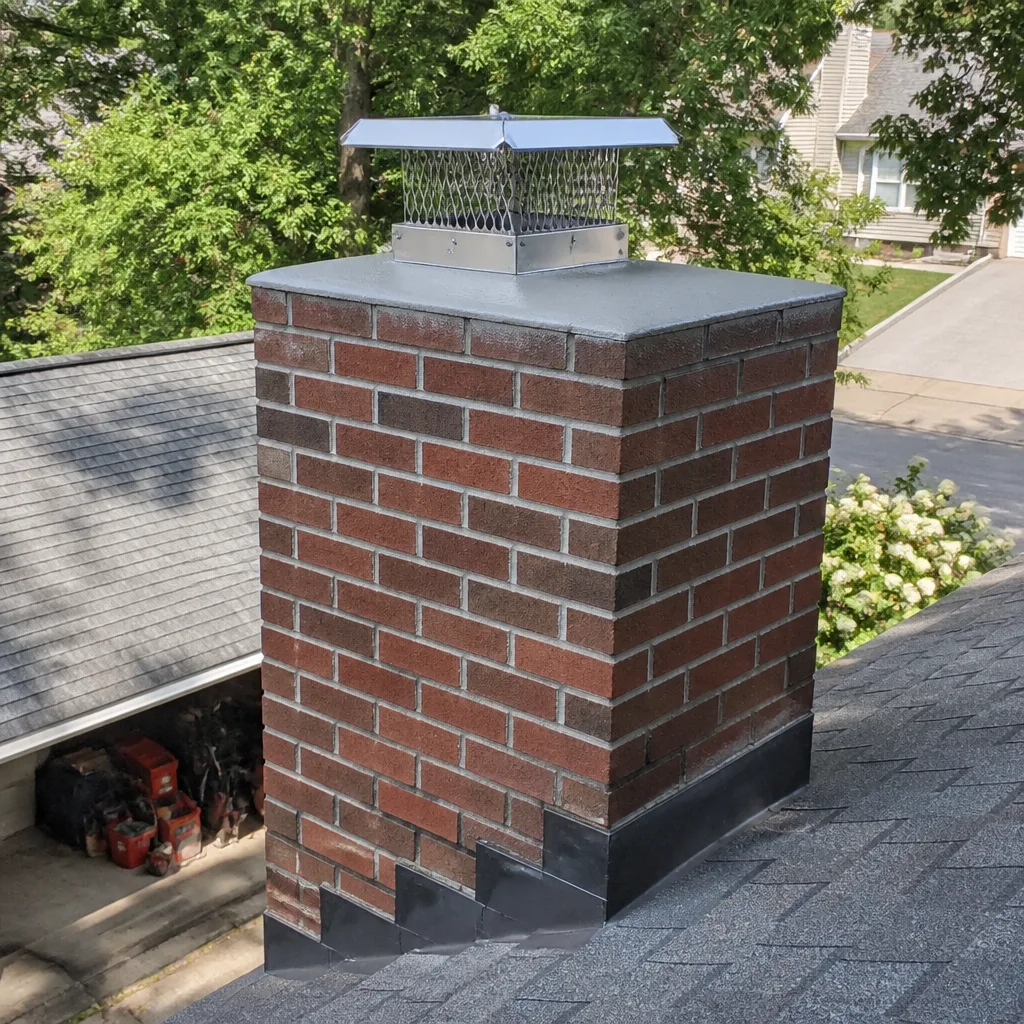 After
After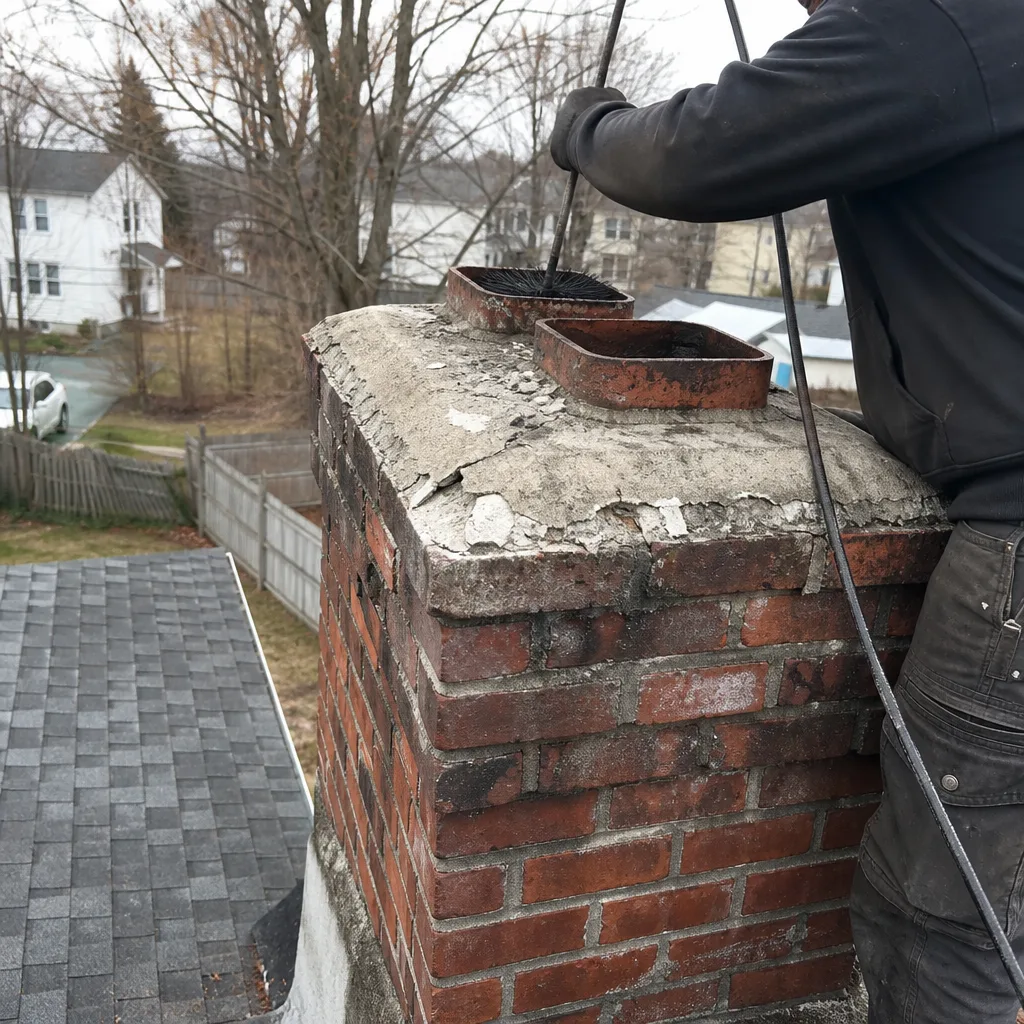 Before
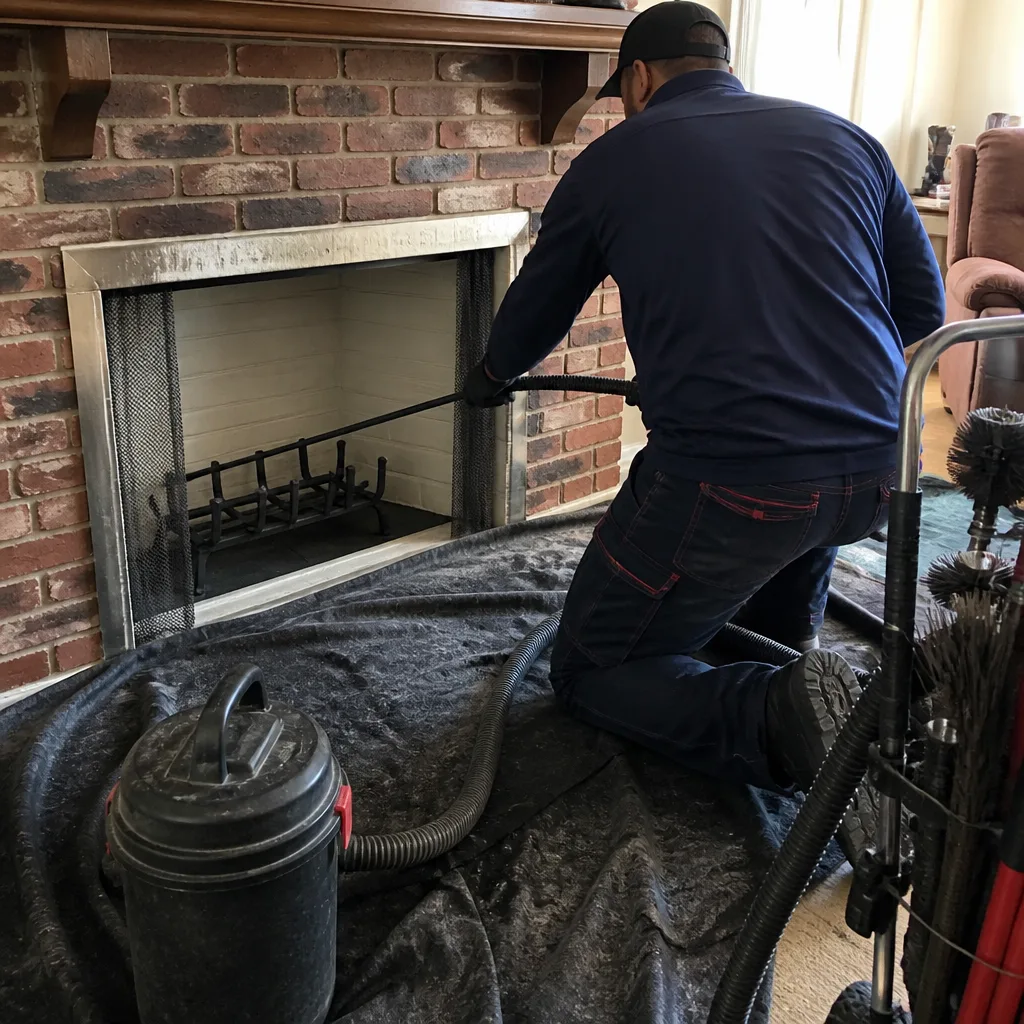 After
AfterDuraFlex Chimney Cleaning & Sweep in Peabody: What to Know First
DuraFlex chimney cleaning and sweep in Peabody typically runs $189 to $340 for a standard residential job, and we can usually get you on the schedule within a week during the spring and summer months. If the flue has gone years without a sweep, expect the price to climb toward the higher end because the creosote load and the labor go up together. We do honest, camera-documented work on DuraFlex liners across Peabody, and you’ll get the number before a single tool comes off the truck.
Wendell Pike and our crew have been inside more DuraFlex systems than we can count – West End colonials, downtown condos, split-levels off Lynnfield Street, and plenty of older Capes that got a liner retrofit when the original tile finally gave out. If you own a home in Peabody with a DuraFlex liner and you want someone who speaks the language, call (978) 637-8560 and we’ll talk it through.
How DuraFlex Products Fail - and How We Find It
DuraFlex makes a solid liner. We install it ourselves. But every product has its habits, and after nearly three decades of looking at these flues in Peabody homes, we know where to look first.
- DuraFlex 304L alloy liner – surface pitting from acidic condensate. The 304L line is the most common DuraFlex liner we see in Peabody, and the alloy holds up well to heat but not to acid. When you burn gas logs or a high-efficiency gas insert, the exhaust condenses inside the flue and sits against the liner wall. Over a few seasons, it etches tiny pits into the metal. The liner still looks fine from the top and bottom. Only a camera catches it. If we find early pitting, regular sweeping and keeping the flue capped when idle slows it down a lot. If it’s advanced, you’re looking at a liner decision.
- DuraFlex 316Ti liner – warping at the tee connection on the thimble. The 316Ti is their premium alloy, and we install these on wood stoves and coal stoves. The weak point isn’t the alloy itself – it’s the tee section where the liner meets the stove pipe at the thimble. Thermal cycling makes that fitting expand and contract at a slightly different rate than the rest of the liner. Over time, the mechanical connection loosens and you get a small air gap in the seam. Your draft weakens. Smoke backs into the house on a cold start. The fix is usually re-securing and resealing the tee with the right refractory cement, not a new liner. But you have to catch it before the gap gets flue-sized.
- DuraFlex Pro series – creosote sheet formation in flat oval sections. If your chimney has a tight or unusual flue shape, a DuraFlex Pro oval liner may be in there, and it has a real habit: creosote forms in sheets rather than fluffy deposits. The oval profile just doesn’t get the same thermal scouring as a round flue, so the smoke lingers longer against the walls. When it sheets, a normal brush job can leave a hardened glaze behind in the corners. We run the camera after every DuraFlex sweeps pass to confirm the corners are clean. If there’s a stubborn glaze, we tell you before we leave, not in a surprise phone call a week later.
- DuraFlex flex elbows – kinking at the smoke shelf offset. Older Peabody chimneys with odd offsets, especially in the West End homes built before the 1950s, often have DuraFlex flex elbows installed to make the transition. The elbow is the product’s Achilles heel. A sweep too aggressive with steel rods can kink the thin wall of the elbow, and then the passage narrows by 30 or 40 percent and nobody notices until the stove won’t draw. We use poly brush heads at lower RPM on any system that has an offset, precisely to avoid that.
- DuraFlex rain caps – spark arrestor mesh clogging in spring. This one is the most common and the cheapest to fix. The standard DuraFlex cap has a fine mesh spark arrestor screen. In Peabody, April and May bring pollen, cottonwood, and tree seed that pack into that mesh from the outside. The result is a sluggish draft that reads like a draft problem but is just a blocked cap. We clean the cap on every sweep and we’ll tell you if it’s worth upgrading to a larger-mesh cap if you’re getting plugged more than once a season.
Our DuraFlex Chimney Cleaning & Sweep Process
Every DuraFlex job in Peabody follows the same sequence. No mystery, no tool sales pitch.
- 1
Call and honest intake. You tell us what you have (DuraFlex liner, wood stove or fireplace, last sweep date if you remember). We quote a flat range on the phone and confirm the arrival window. Live person answers, every time. Often it’s Wendell.
- 2
Arrival and visual check. We look at the cap, the crown, the firebox, and the thimble before we touch a brush. If we see obvious damage at the cap or a liner issue from the top, we tell you right then, before the camera even goes down.
- 3
Camera inspection first, always. We run the camera from the top down and the bottom up before we sweep. This is where DuraFlex-specific problems show up: pitting, sheet creosote, kinked elbows, loose tees. You see the footage with your own eyes.
- 4
The sweep itself. We use poly brushes sized to the liner’s diameter, never steel on a DuraFlex liner unless the creosote is severely glazed and we’ve already talked it through. Rods turn at controlled RPM to minimize wall stress.
- 5
Post-sweep camera pass and verdict. We run the camera again, show you the before and after, and give you the plain-English assessment. If the liner is fine, we say so. If not, we tell you exactly what we saw, and the camera leaves no room for guesswork. If it does not need doing, we will tell you that too.
- 6
Cleanup and the promise. We leave the firebox and hearth cleaner than we found them. Every job gets the 90-Day Done Right Promise in writing. If something isn’t right, one call brings Wendell back.
What DuraFlex Chimney Cleaning & Sweep Costs in Peabody
Straight numbers, not a wide range to hide behind.
- Standard DuraFlex sweep, single flue fireplace: $189 to $240, depending on creosote load and roof access.
- DuraFlex sweep with camera inspection: $260 to $340. The camera inspection is the part that actually tells you if the liner is safe.
- Heavy glazed creosote removal on a DuraFlex liner: $320 to $420. This is third-degree creosote, and it takes rotary work and time.
- Cap and crown cleaning add-on: $45 to $85, done while we’re already up there.
- Tee reseal at the thimble (when caught early): $160 to $250. If it’s advanced, we’ll tell you the honest repair-versus-replace number.
What moves the price in Peabody is roof height, roof pitch, and how much creosote has built up between sweeps. It never changes at the door, and the number you hear on the phone is the number on the invoice. Call (978) 637-8560 for an exact quote. Estimates are free, and if you’re inside our county, there’s no trip charge.
Why Peabody Homeowners Call Top Hat Chimney for DuraFlex Work
We started this company in 1999, and we’ve spent the years since driving the same streets and working the same chimneys. Wendell grew up out west but has spent the better part of two decades on roofs across the North Shore, and the older neighborhoods around Peabody’s West End have kept him plenty busy. Somewhere north of a thousand inspections at this point, and the job hasn’t changed: tell people the truth about their chimney and only sell the work that actually needs doing.
We’re an independent DuraFlex service provider, not a factory arm. That means we can tell you when a liner is fine without feeling like we owe anyone a sales quota. We also work with HeatShield and Gelco systems, so if you have a mixed-brand setup or a prior repair from another contractor, we can usually sort it out without sending you to three different companies. The phone rings live, all day and night. The sweep who shows up is background-checked and in uniform. And every single job carries the 90-Day Done Right Promise, stamped in writing.
Ask anyone on your street. We’ve probably swept their chimney.
FAQs
No. Regular sweeping is required by DuraFlex’s own installation and warranty documentation, and a professional sweep with the right tools does not void coverage. What voids a liner warranty is damage from improper cleaning, like using steel tools on a liner not rated for them. That’s why we use poly brushes and controlled rotation on every DuraFlex sweep. We also photograph the liner before and after, so you have a record of the condition if a warranty claim ever comes up.
The only way to know for sure is a camera inspection. Visual checks from the top and bottom catch maybe half of what’s actually going on inside a DuraFlex liner. Pitting, seam gaps, partial blockages, and hairline cracks don’t announce themselves, and the signs in the house – a weak draft, a smoky smell, a stain near the thimble – only show up after the problem is already established. We run the camera on every single DuraFlex job, and you watch the footage with us. If the liner is sound, you’ll see it. If it isn’t, you’ll see that too. Call (978) 637-8560 and we’ll put you on the schedule for an inspection before burning season.
Most common DuraFlex parts – caps, connectors, tee sections, clamps – are available to us within a few days through our supply channels, and we keep the high-turnover items stocked in the truck. For a full liner replacement sized to your flue, the liner section typically arrives within a week, and we can usually schedule the install within a few days after that. If the part is uncommon, we’ll tell you the straight timeline before you commit to anything.
Once a year, burn or no burn. Chimneys break in the off-season too, and a Peabody summer brings humidity that interacts with creosote and accelerates liner corrosion. If you burn a wood stove as your primary heat source, you may need a second sweep mid-season, especially with unseasoned wood. First-degree creosote is a brush job. Third-degree is a glaze – catch it early and the sweep is routine. Let it go and you’re looking at a multi-hundred-dollar rotary removal or a liner discussion. Call (978) 637-8560 if you can’t remember your last sweep date.
Creosote builds in layers, and the top layer hardens into a glaze that acts like fuel. A hot fire sends a spark up the flue, the glaze ignites, and you have a chimney fire burning inside your liner at temperatures that can reach 2,000 degrees. DuraFlex liners are rated for those temperatures for a short time, but once a liner has been through a chimney fire, the alloy is compromised and the liner typically needs replacement. The sweep costs less than two hundred dollars. The liner replacement is usually north of three thousand. That’s the math. We’ll help you with either one, but we’d rather be the ones who kept the fire from happening. Call (978) 637-8560 and we’ll get you on the books.
Written by Wendell Pike, Owner, Top Hat Chimney at Top Hat Chimney, serving Peabody and nearby areas.