
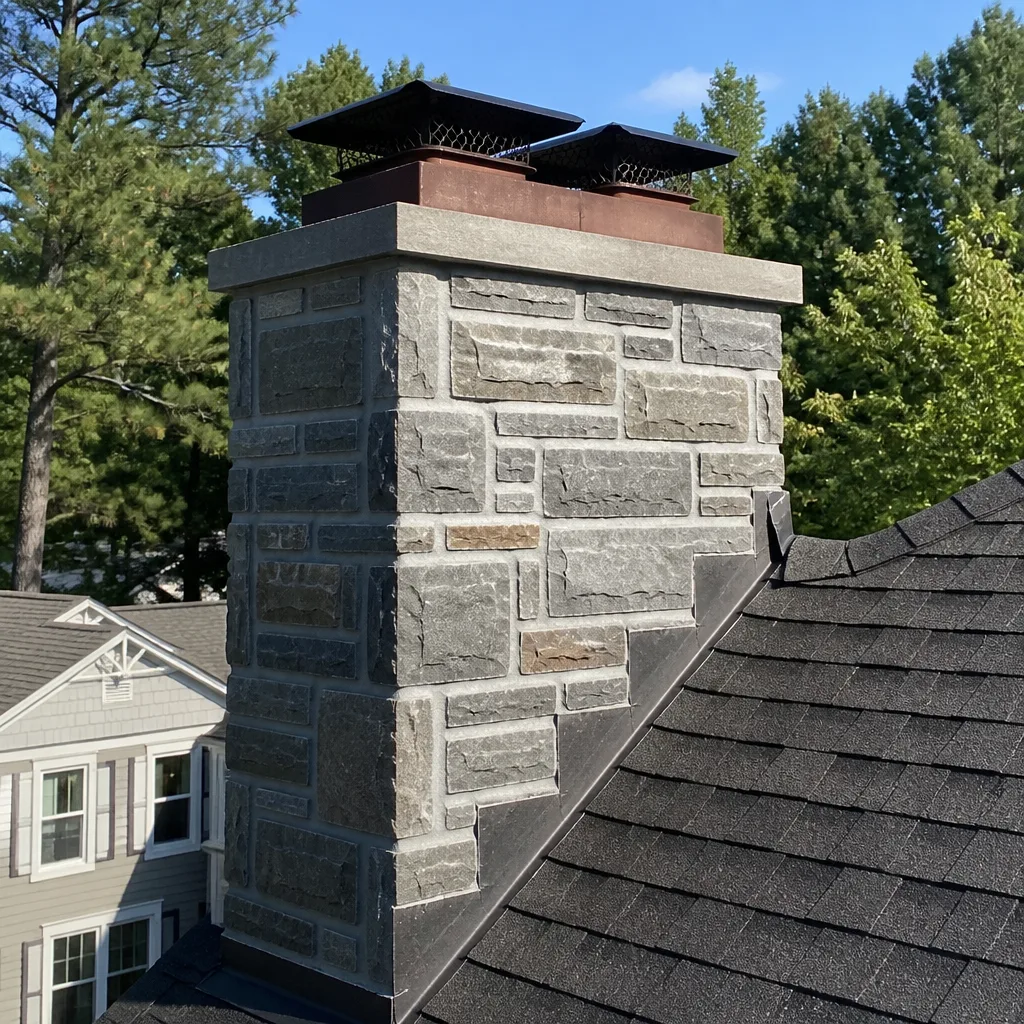
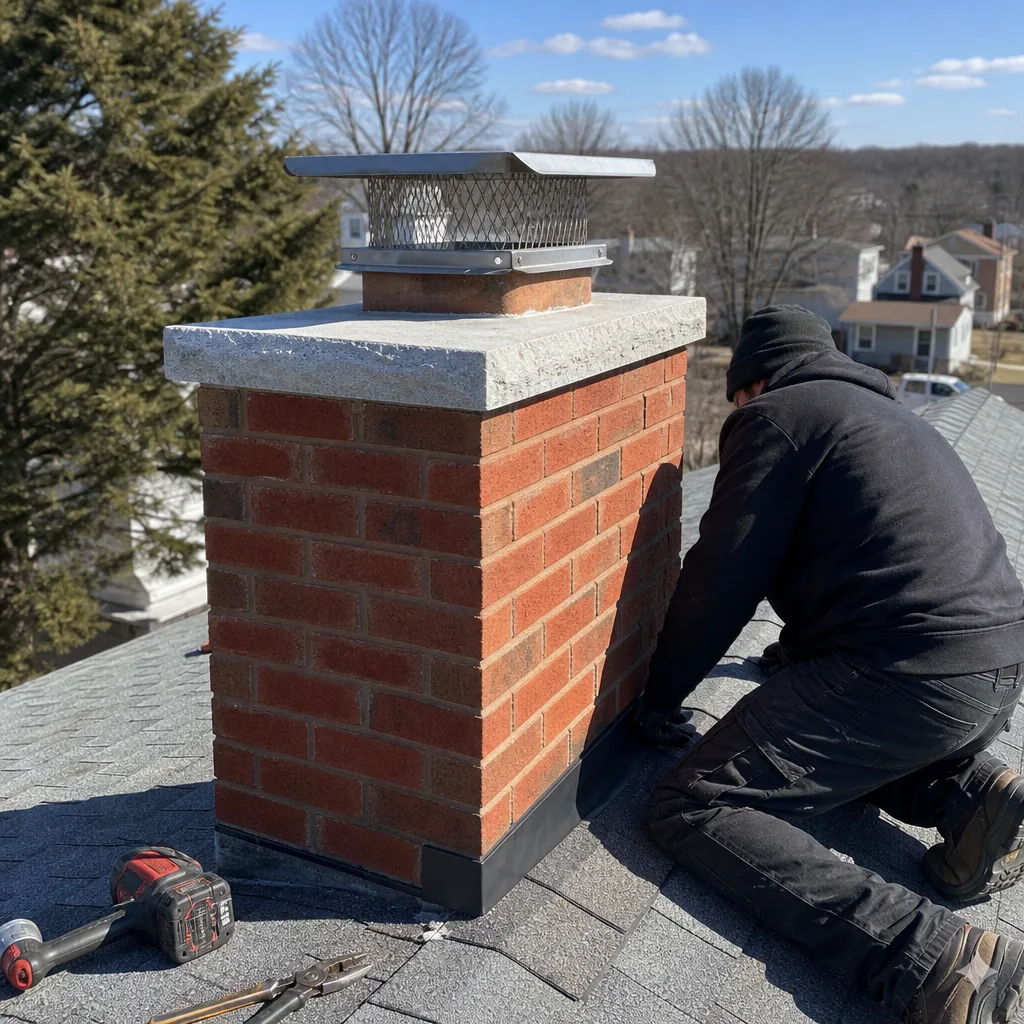
Level 1 sweep and inspection to the NFPA 211 annual standard - flue, crown, cap, and flashing checked and photographed
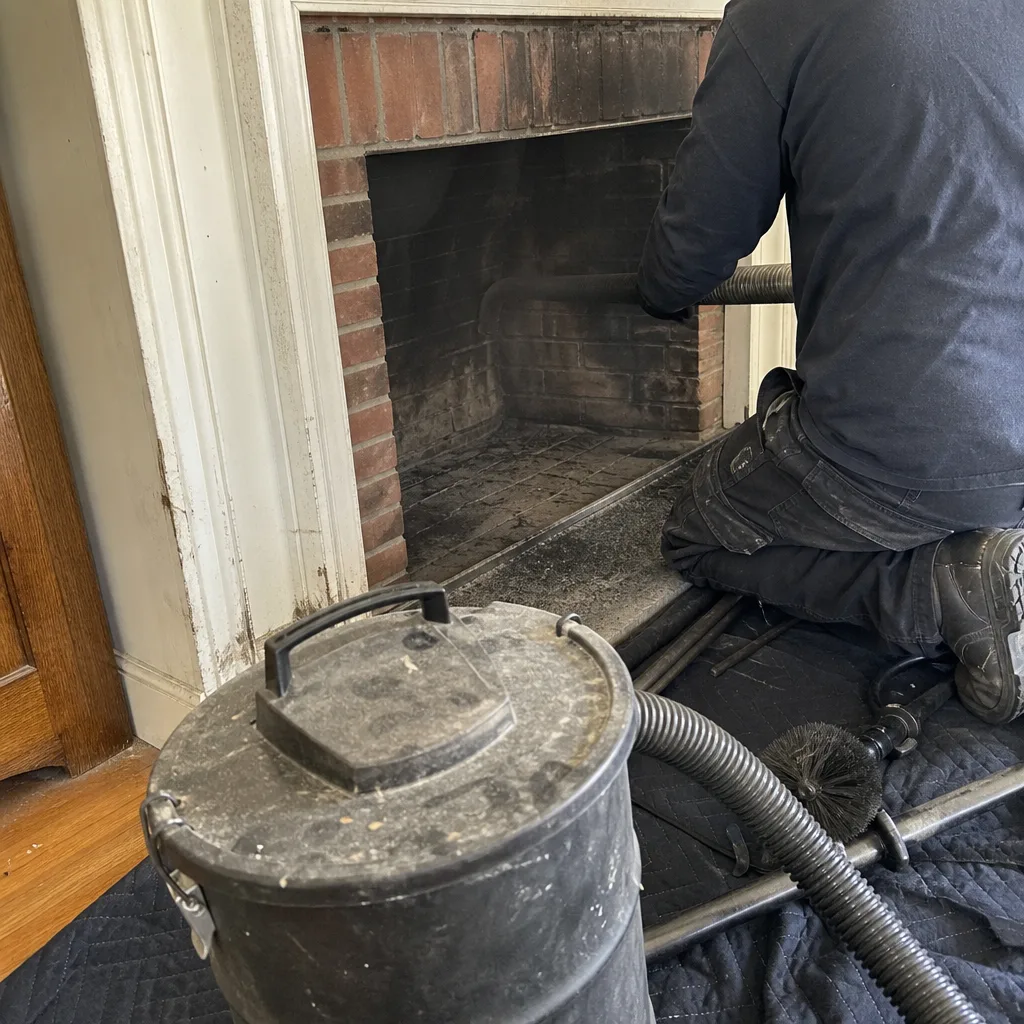
Chimney sweep logs do not sweep chimneys. They loosen some creosote - which then falls where a brush and vacuum still have to collect it.
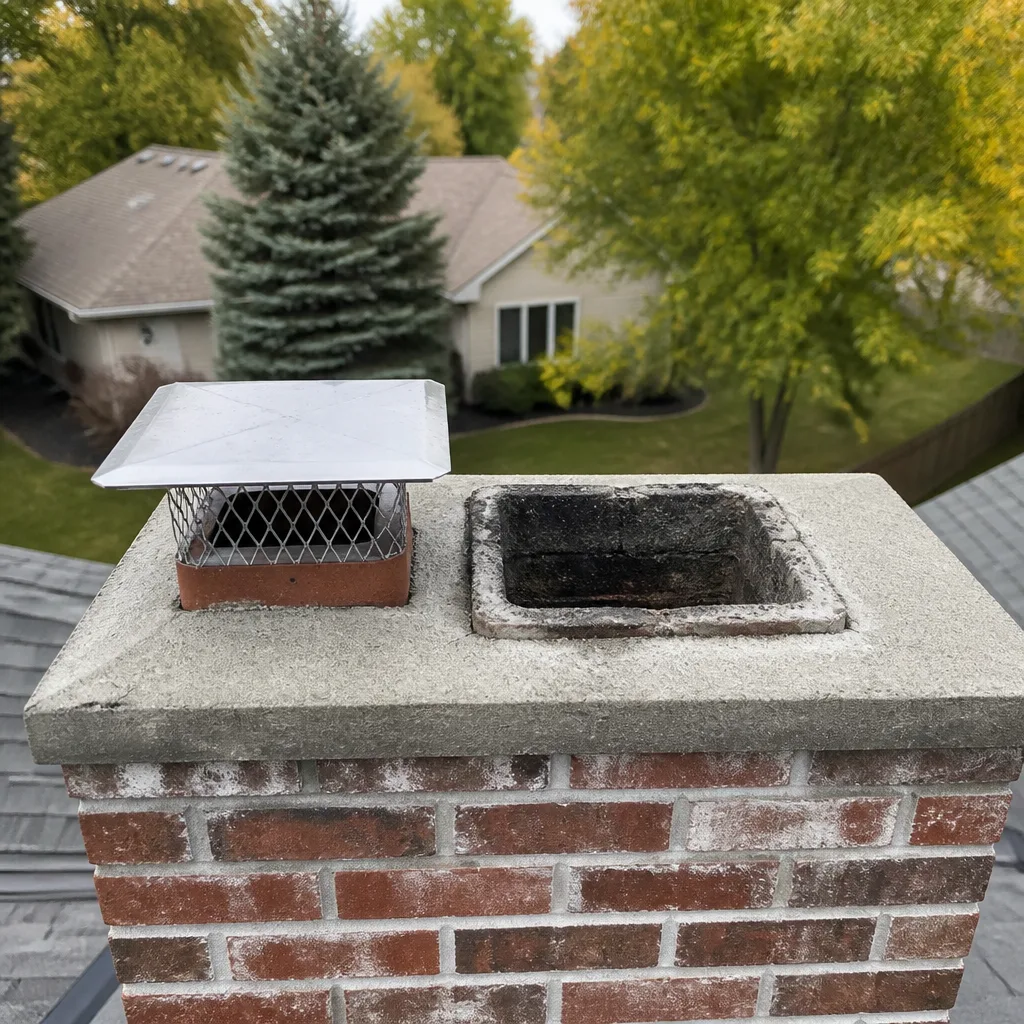
 Before
 After
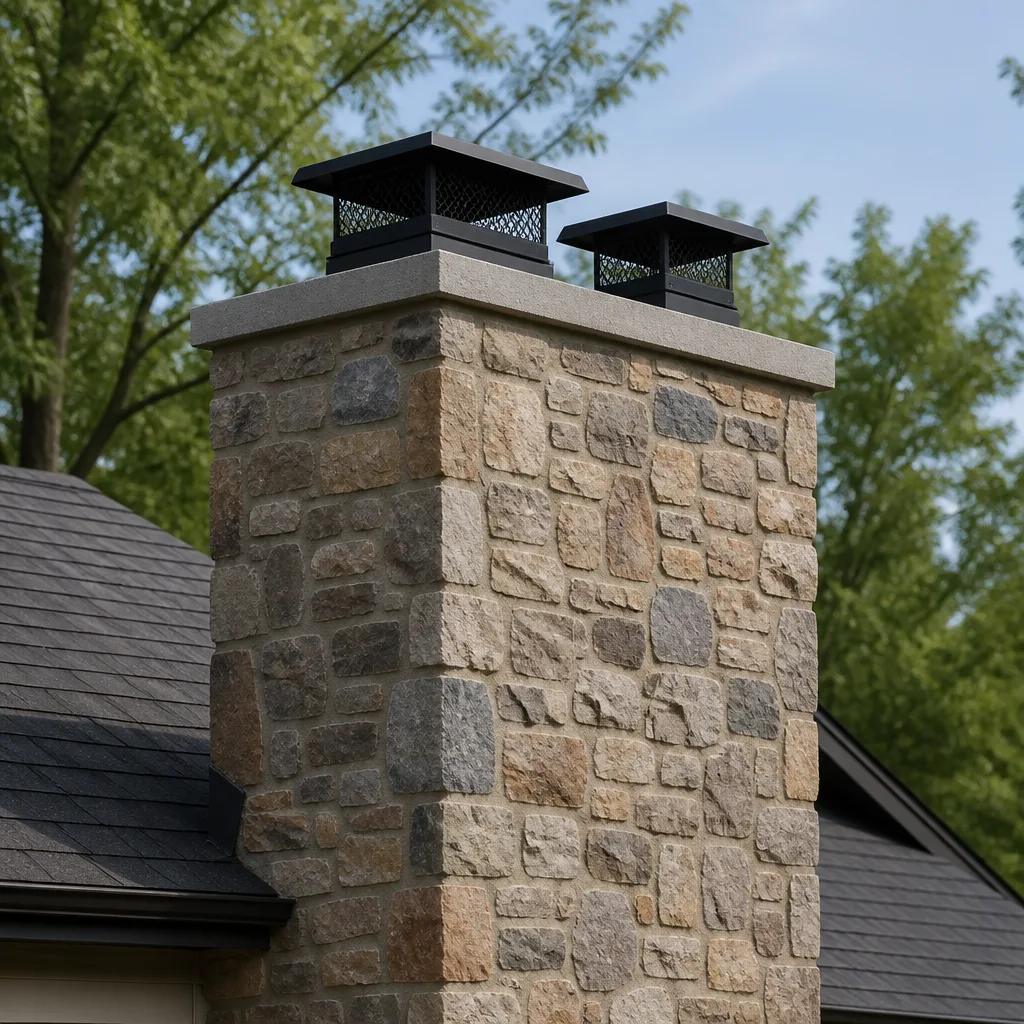
After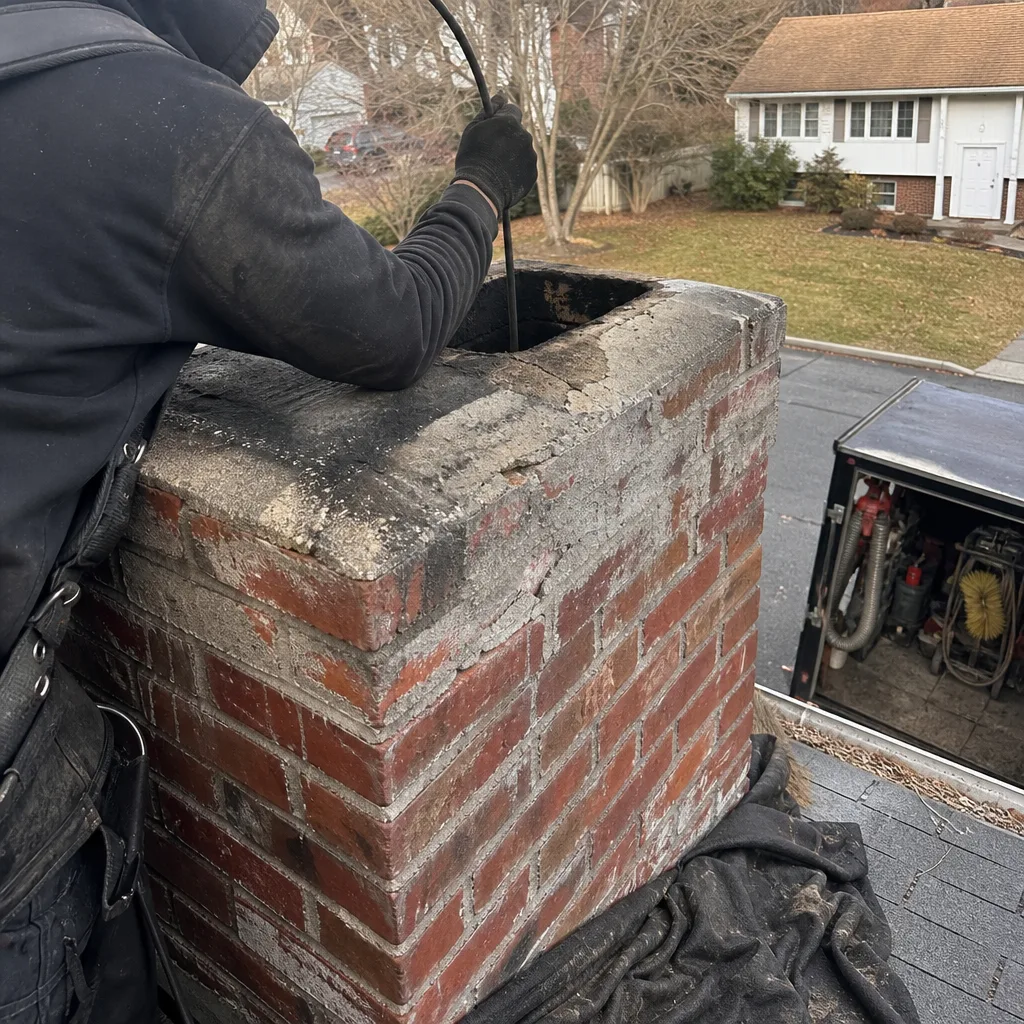 Before
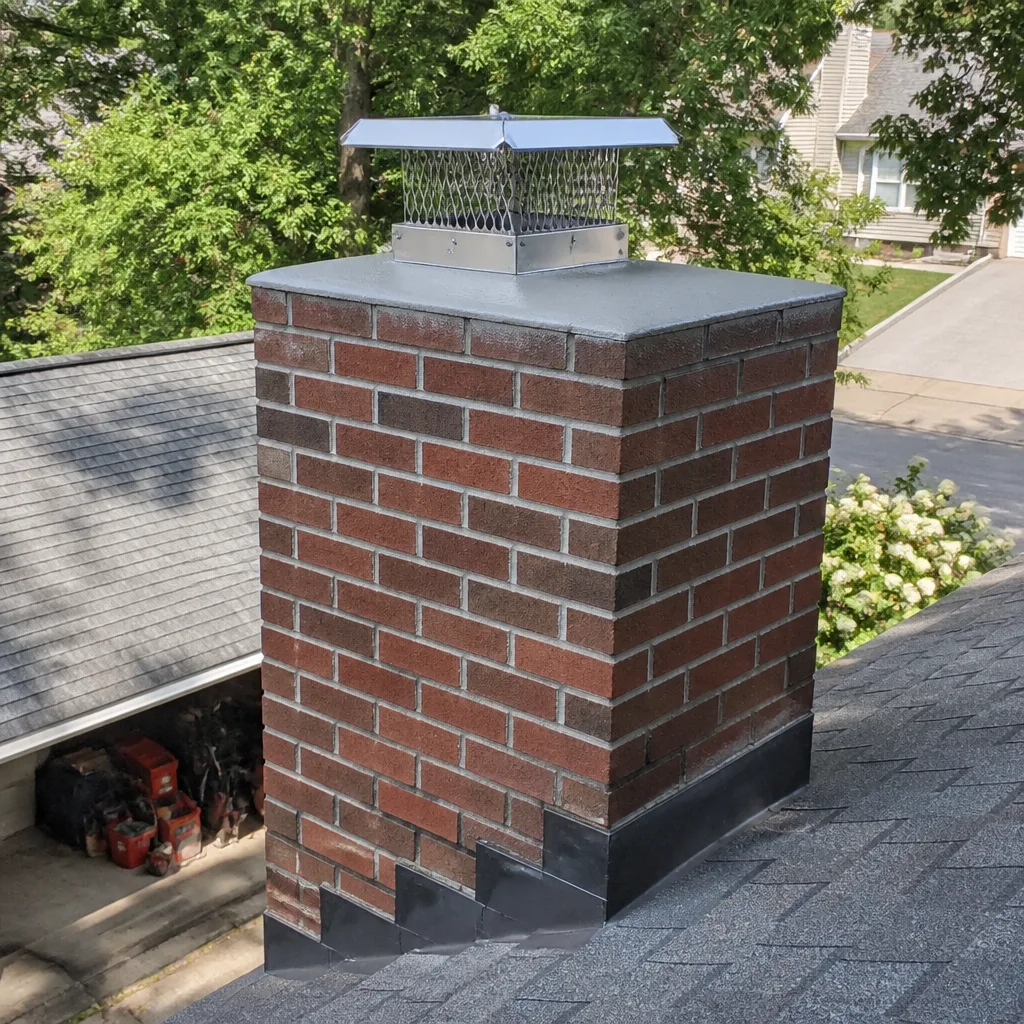 After
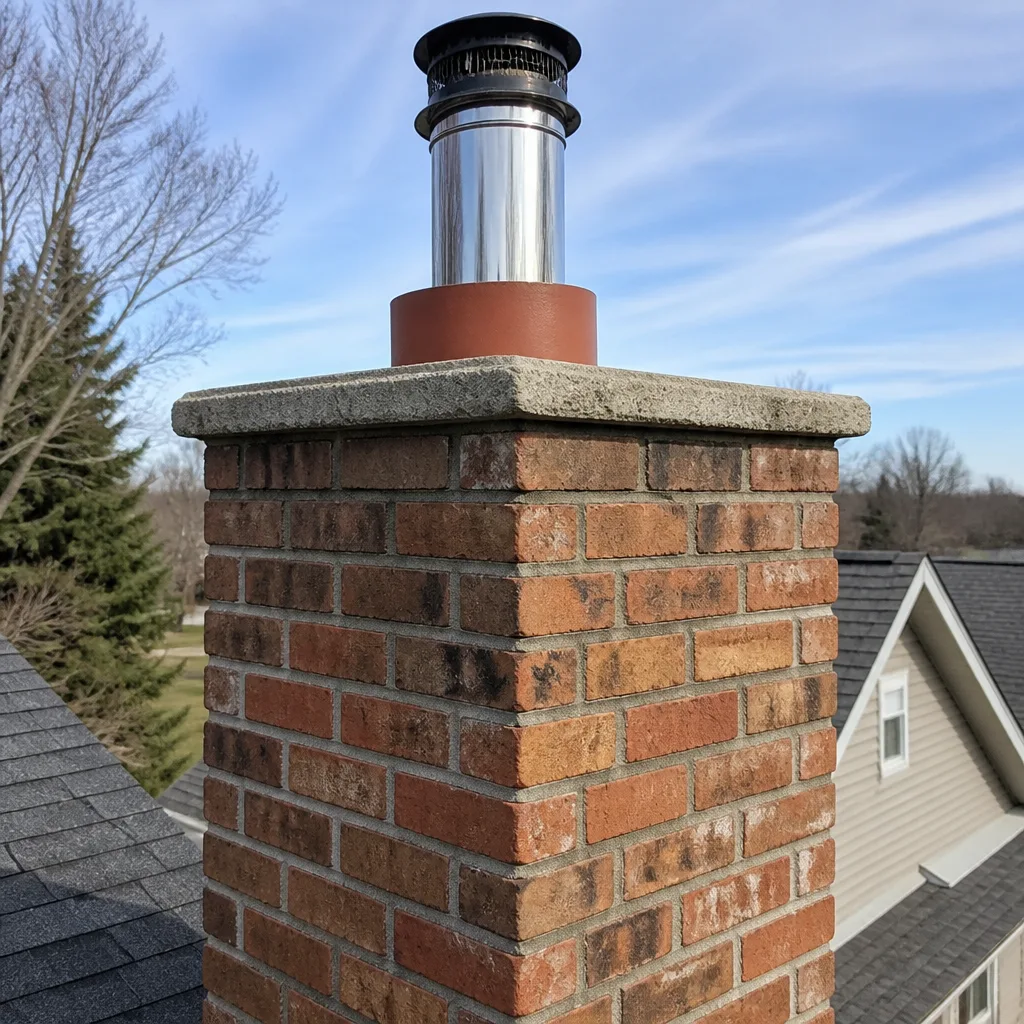
After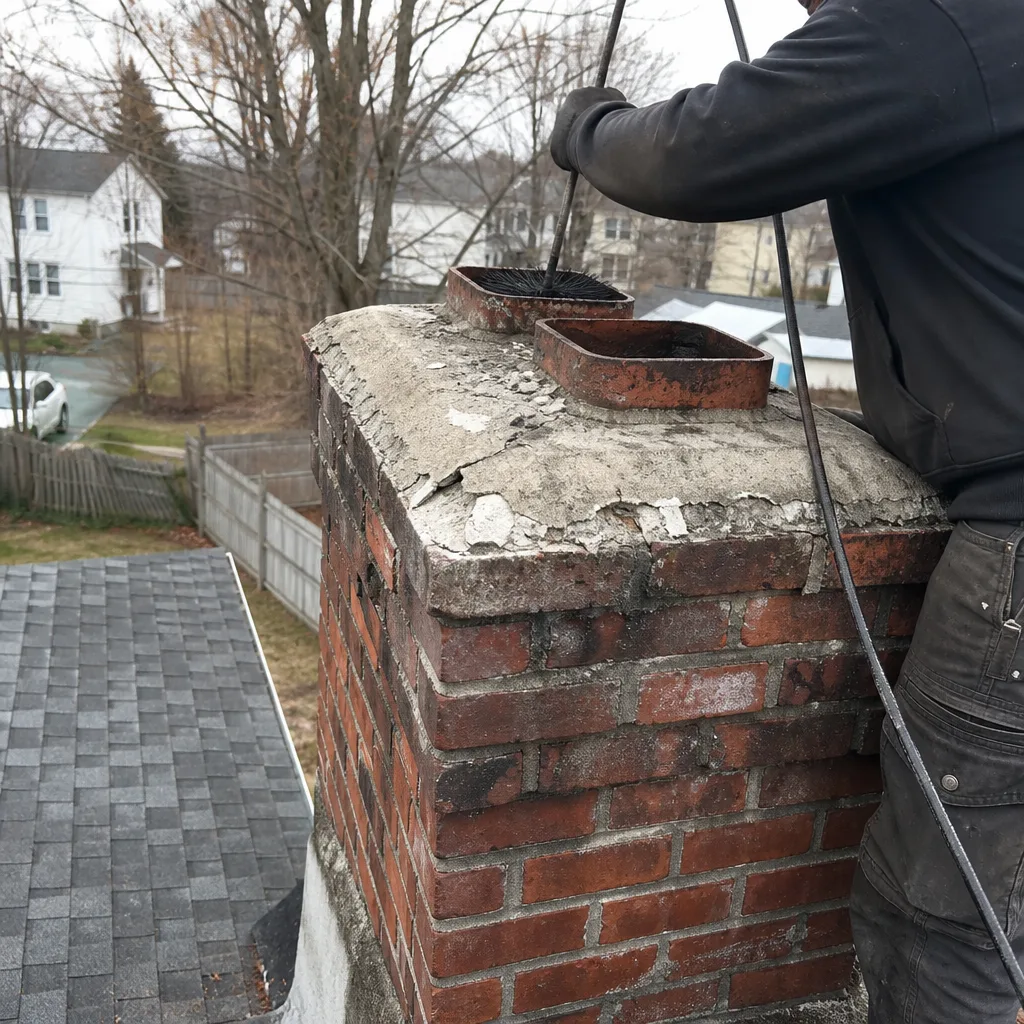 Before
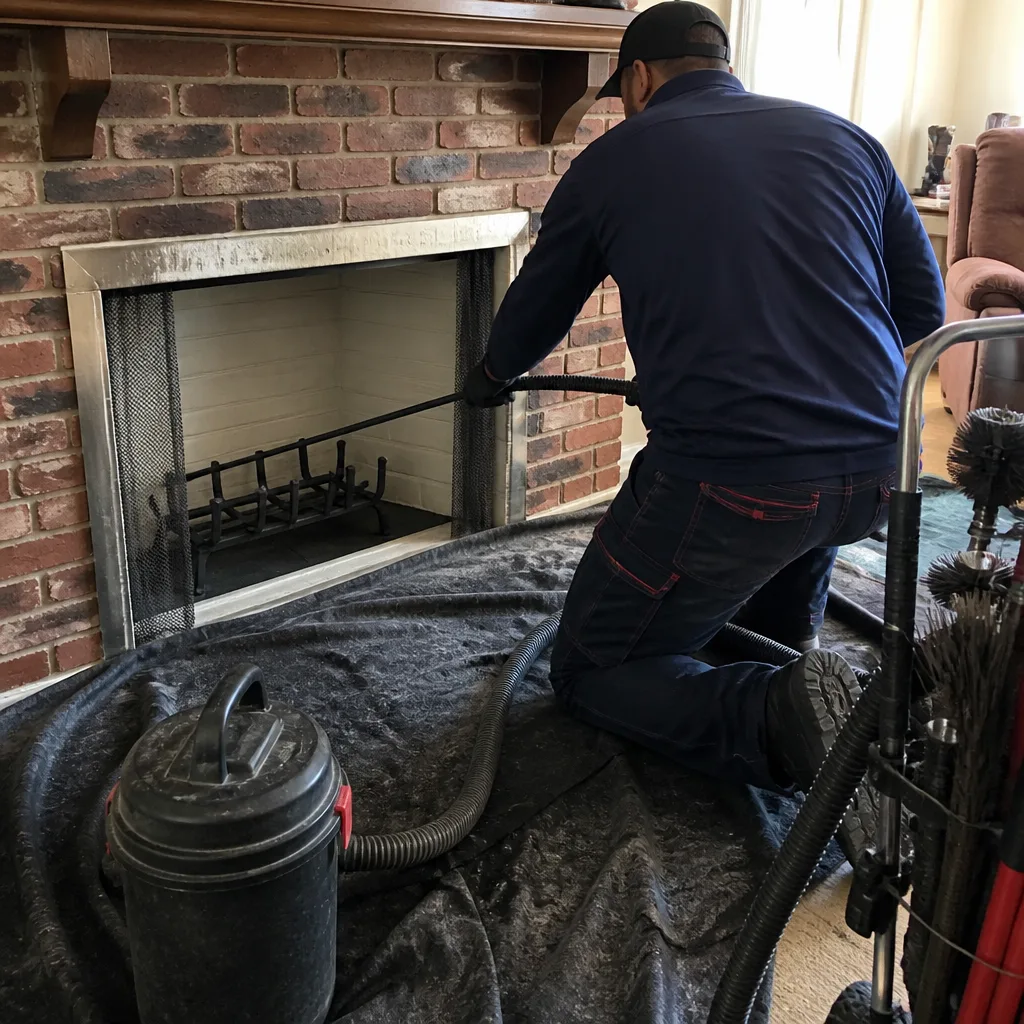 After
AfterFast, Reliable Fireplace Services Across Reading
If you own a home in Reading built before 1960, the odds are good that your fireplace chimney is working harder than it was ever designed to. Most fireplaces in Reading cost between $180 and $340 to service, and a full gas insert conversion with proper relining typically runs $4,800 to $7,200 depending on flue condition. Call Wendell and his crew at (978) 637-8560 and you’ll get a straight answer about what your chimney actually needs, backed by camera footage you can watch yourself.
We know Reading’s houses because we’ve been inside them for over 29 years. The colonials off Main Street, the capes on Summer Avenue, the brick bungalows near the old depot. Same streets, same chimneys, same freeze-thaw cracks every March. We show up when we say we will, quote a number that does not change, and leave the fireplace working the way the original mason intended.
What happens when you call
- 1
A real person answersNo phone trees - you reach a local pro.
- 2
You get an upfront price rangeHonest numbers before anyone is dispatched.
- 3
A background-checked tech heads outLicensed & insured, dispatched right away.
- 4
You approve before work beginsNothing starts until you say go.
Why Top Hat Chimney Is Reading’s Preferred Fireplace Services Company
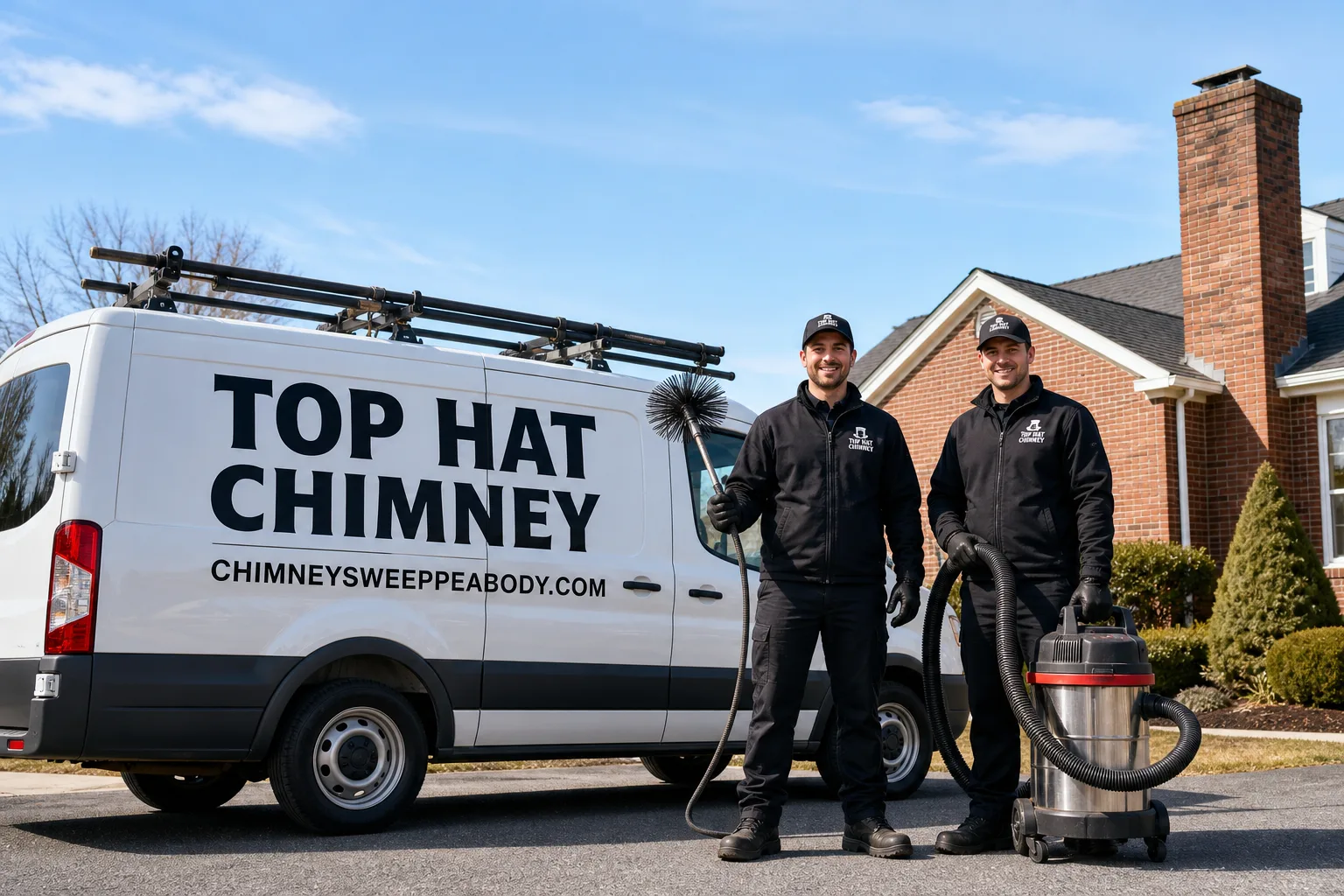
Nobody around Reading wants a stranger with a clipboard giving them a scare quote about a chimney they cannot see into. That’s why every job we do here begins with the same thing: a borescope camera run up the flue, with the footage pulled up on a screen while you watch. You see exactly what we see. No mystery, no pressure. If the flue is clean and the tile is sound, Wendell will tell you to burn another season and call him next fall. He has talked himself out of more easy money than most companies ever try to collect.
Reading homeowners call us because the name on the truck matches the name on the license. Wendell Pike founded Top Hat Chimney in 1999 and still answers the phone himself plenty of nights. His crews are background-checked, uniformed, and trained on the specific failure patterns this town throws at them. When a Reading customer posts a review, Wendell reads it. When you call with a question after the job, a live person picks up. That matters more than any slogan.
We work the neighborhoods between the commuter rail corridor and 93, and our response time to Reading is usually next-day or sooner during the September-to-January rush. If you live off Haverhill Street or up near the Birch Meadow area, you’ll still get the same honest camera-first inspection and the same 90-Day Done Right Promise in writing. One call brings us back if anything is not right. That’s the whole guarantee and we do not hide behind fine print.
Our Fireplace Services Services in Reading
Gas Fireplace Service
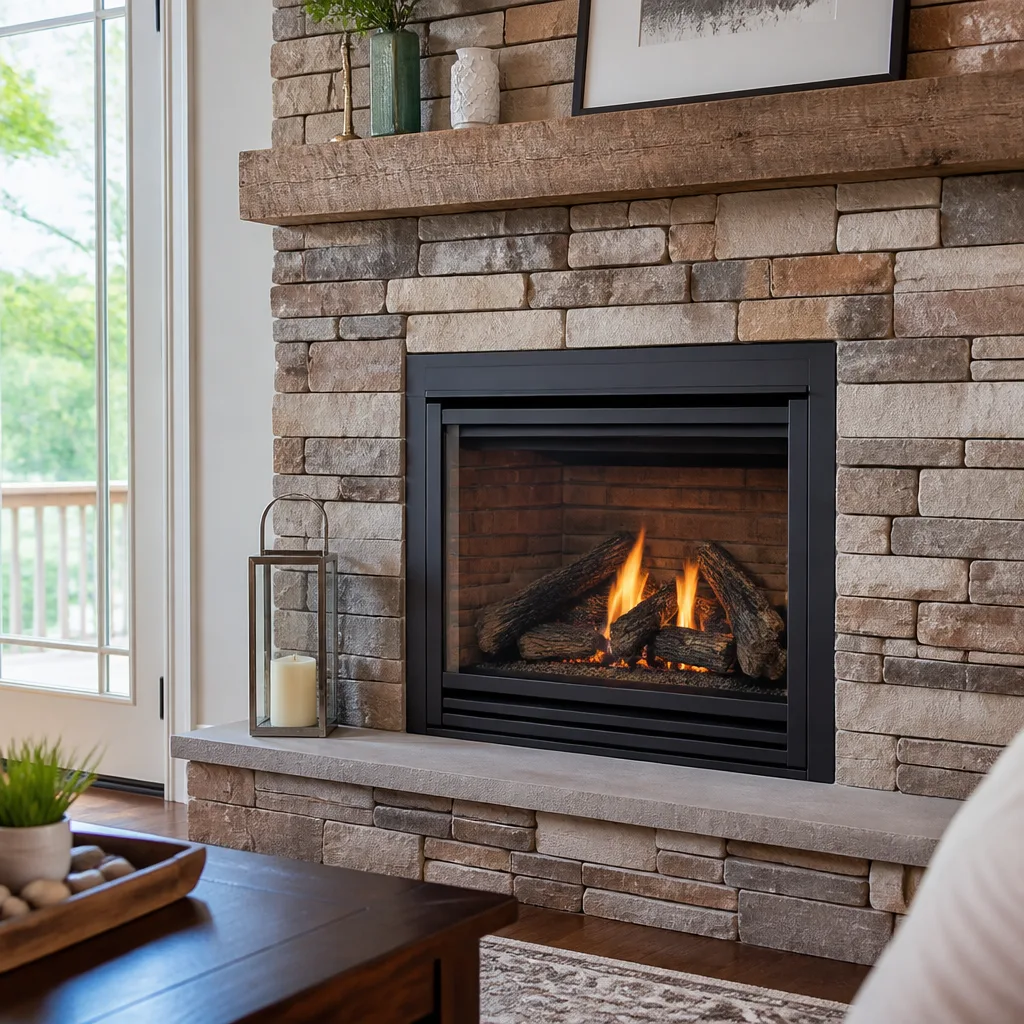
A gas fireplace in a Reading home is often vented into a chimney that started life burning coal. That’s not a small detail. Gas appliances vent cooler and wetter than wood or coal ever did, and that moisture condenses inside old clay tile flues, soaking into the brick and slowly eating the mortar joints. Gas fireplace service here means more than cleaning the glass and checking the thermocouple. It means running a camera up the flue to confirm the chimney can still move combustion gases out of your house. In Reading, a standard gas fireplace service runs $180 to $260, and it takes about an hour.

Wood Burning Fireplace
Reading burns a lot of wood. With heating season stretching October through April and a fireplace that gets run most weekends, the creosote builds up faster than people expect. First-degree creosote is a brush job. Third-degree is a glaze, and it comes with a chimney fire risk. For Reading’s older fireplaces, we also check the mortar joints in the firebox, the damper seat, and the smoke chamber. A typical sweep and inspection for a wood burning fireplace in Reading runs $220 to $340. If the flue has not been swept in more than two years, that price is usually at the top of the range.

Fireplace Insert
This is where Reading’s older chimneys get interesting. A 1920s coal chimney has a flue dimension far larger than a modern gas insert needs. Most insert installers solve that with a liner, but if the old oil-burner liner from the 1950s is still sitting in there, you have a hidden problem: a smaller tile liner mortared into a much larger coal shaft, with voids behind it nobody has ever looked at. Our insert work in Reading always starts with a Level 2 camera inspection. Insert installation with proper liner sizing in Reading runs $4,800 to $7,200, and we use DuraFlex and Copperfield liners because they survive Massachusetts winters.

Damper Repair
The damper in a Reading fireplace takes a beating. Freeze-thaw cycles put moisture down the throat of the chimney, and rust or cracked cast iron follows. A damper that does not seat lets conditioned air pour out of your house all winter and cold drafts pour in. Damper repair in Reading typically costs $220 to $420 depending on whether we can reseal the frame or need to replace the damper assembly itself. We do the work with the firebox cleaned and the smoke shelf inspected at the same time. It’s a small fix that makes a big difference to your heating bill.

Trusted Brands We Service in Reading
We install and service real brands, the ones supply houses in Middlesex County actually stock. Copperfield liners, HeatShield resurfacing material, and DuraFlex chimney systems are our most common go-to items for Reading jobs. That matters when you need parts fast. We keep common Reading failure patterns in mind when we stock the truck: clay tile spalling in pre-war brick, cracked crowns on colonial stacks, damaged caps from heavy snow loads. When we quote a repair, the parts are on the shelf or two days out, not three weeks because a national chain is waiting on a warehouse in another state. Faster parts means your fireplace is back in service before the next cold snap.
Common Fireplace Services Problems We See in Reading Homes
- Mid-century oil-burner liners hiding voids. Reading has a specific pattern: homes built in the 1910s through 1940s with large coal-dimensioned brick chimneys, then converted to oil in the 1950s or 1960s with a smaller tile liner mortared into the shaft. The gap between the old brick and the new tile traps moisture, grows efflorescence, and eventually shifts the liner. You cannot see this from the top or the firebox. You need a camera.
- Deteriorated mortar from freeze-thaw cycling. Reading averages around 55 inches of snow a year, and the soft lime mortar used in pre-war brickwork absorbs water every winter. When that water freezes, it expands and spalls the brick face. After sixty or seventy winters, your crown and your top courses of brick start shedding. This shows up as sandy debris on the smoke shelf or white staining at the flue opening.
- Oil-to-gas conversions done without a Level 2 inspection. Mass Save incentives are pushing a wave of conversions in Reading, and plenty of HVAC companies swap the burner but never look inside the chimney first. A gas appliance vents differently than an oil burner, and suddenly a chimney that worked fine for fifty years is condensing moisture into cracked tile and old mortar. If your house was converted in the last few years and nobody put a camera in the flue, that’s the first thing we do.
- Prefabricated chimney systems on the newer split-levels. The ranches and split-levels on Reading’s outer streets, the ones built in the 1960s through 1980s, often have factory-built metal chimney systems instead of masonry. These have their own failure modes: rust blooms at the seams, missing fire stops, improper clearances. They need a different inspection than a brick stack, and most homeowners never realize it until a home inspector or a sweep points it out.
Pricing for Fireplace Services in Reading, MA
The price you hear on the phone is the price on the invoice. That’s a promise we have kept since 1999 and it’s why Reading customers do not get surprise line items at the door. Here’s what you can expect across the town:
- Standard fireplace sweep and inspection: $220 to $340
- Gas fireplace service and tune-up: $180 to $260
- Damper repair or replacement: $220 to $420
- Fireplace insert install, including liner: $4,800 to $7,200
- Chimney liner replacement, full reline: $3,200 to $5,800
- Fireplace conversion with full inspection and new flue: $5,500 to $8,900
Every estimate includes the camera inspection, a plain-English written report, and a flat price before any tool comes off the truck. If your Reading home needs masonry work or a ceramic coating like HeatShield, we show you the footage and let you decide. Call (978) 637-8560 for a free estimate, and remember: no trip charge for calls inside our service county, and 10% off for seniors and veterans.
We Also Serve Cities Near Reading
Reading sits in a tight knot of older Middlesex County towns, and we work all of them. Stoneham, North Reading, Lynnfield, and Melrose are all regular stops for Wendell and his crew. The chimneys in these towns share the same bones as Reading’s, and the same camera-first inspection applies everywhere. If you live just over the line, you are still getting the same 90-Day Done Right Promise and the same live person on the phone. Learn more about our Fireplace Services work across the area, or see what we do specifically for Fireplace Services in Reading.
Serving Reading, MA - Our Local Coverage Area
We’re based in the Reading area and know this community well. Use the map below to see our service coverage - if you’re nearby, we can almost certainly help.
FAQs - Fireplace Services in Reading
Because Reading’s pre-war chimneys were built for coal, then adapted for oil, and are now being asked to serve a third fuel type. A 1910s coal chimney has a flue shaft far larger than a modern gas insert needs. When a mid-century oil-burner liner was added, it was often just mortared into the larger shaft, leaving hidden voids that trap moisture and destabilize the tile. Gas appliances vent cooler and wetter, which makes that damage worse. Before any insert goes in, we run a borescope to check the flue condition. The camera footage tells the story every time. Call (978) 637-8560 if you’re planning a conversion in Reading and want to know what you’re working with before the installer shows up.

Yes. Every single job in Reading starts with a borescope camera run up the flue, and we pull the footage up on a screen while you watch. If we find cracked clay tile liners, open mortar joints, or a shifted liner, you see it with your own eyes before we ever quote a repair. If the flue is clean and solid, you see that too, and Wendell will tell you to save your money. No blanket “you need a new liner” pitch without proof. The camera footage and a plain-English verdict, every time, no exceptions. That’s how we have worked Reading for over two decades.

Probably not, and here’s why. An oil-burner liner was sized for an oil burner, not a wood fire. Wood fires burn hotter and produce creosote that can ignite at temperatures that an oil liner was never tested for. On top of that, the liner may be cracked, shifted, or separated from the surrounding brick, especially if it’s been through sixty Reading winters of freeze-thaw cycling. The only way to know is a camera inspection. If you have an old oil liner in a Reading fireplace and you want to burn wood, call (978) 637-8560 and we will show you exactly what’s in there before you strike a match.

Once a year, burn or no burn. Chimneys break in the off-season too. Reading’s freeze-thaw cycling works on mortar joints whether you’re burning or not, and a chimney that sits all summer may have a cracked crown or a slipped clay tile by the time October comes. For homes that burn wood every weekend from November through March, we recommend a sweep plus a camera inspection annually. For gas fireplaces, most manufacturers recommend service every two years, but given how many Reading homes vent gas into aging masonry, we still suggest an annual visual check at minimum. It’s cheap insurance compared to a chimney fire or a carbon monoxide leak.

The most common violation we find is a gas insert or gas log set installed into a chimney that was never inspected before the conversion. The installer swapped the fuel source but the flue inside is still a cracked clay tile liner from the mid-century, with open mortar joints and no clearance verification. Under current Massachusetts code, a chimney serving a gas appliance must be sized and lined correctly for that appliance’s venting requirements. A coal-era shaft with a loose oil liner does not meet that. We find this constantly in Reading’s older colonials and bungalows. The fix is straightforward if you catch it early: remove the old liner, rebuild the smoke chamber with HeatShield, and install a correctly sized DuraFlex liner. The camera proves the problem, and the paperwork proves the fix. If you think your conversion was done without a flue inspection, call (978) 637-8560 and we’ll take a look.
Wendell and his crew have been inside more Reading chimneys than we can count, and we have never had to sell a repair that was not real. If your fireplace is acting up, or if you just bought a house in Reading and you have never actually looked inside the flue, call (978) 637-8560 for a free estimate. You will get a real person, a real arrival window, and a flat price before any work starts. The 90-Day Done Right Promise is on every job in writing. It’s how we have always done it.
Written by Wendell Pike, Owner at Top Hat Chimney, serving Reading since 1999.
