
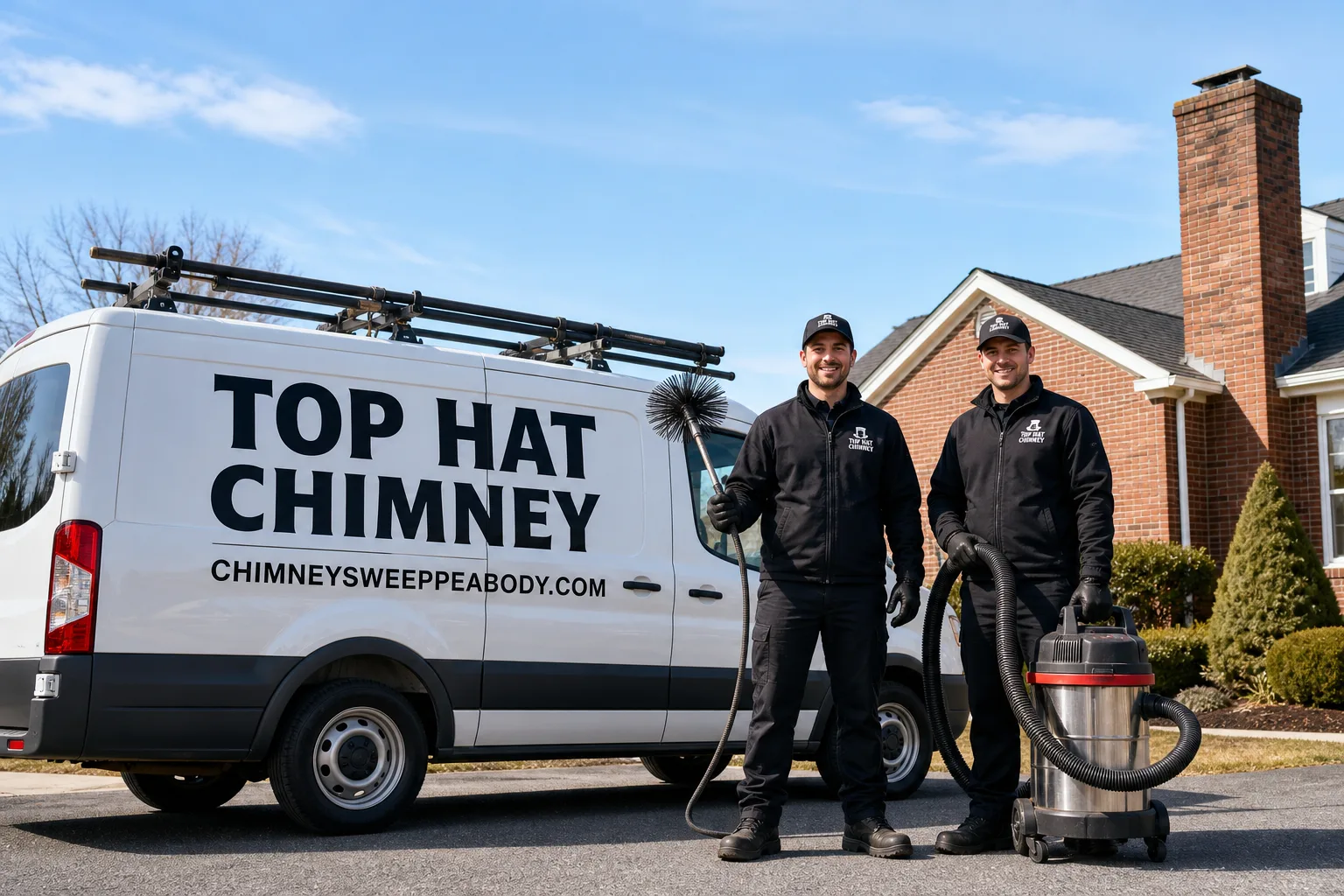
Level 1 sweep and inspection to the NFPA 211 annual standard - flue, crown, cap, and flashing checked and photographed
Chimney sweep logs do not sweep chimneys. They loosen some creosote - which then falls where a brush and vacuum still have to collect it.
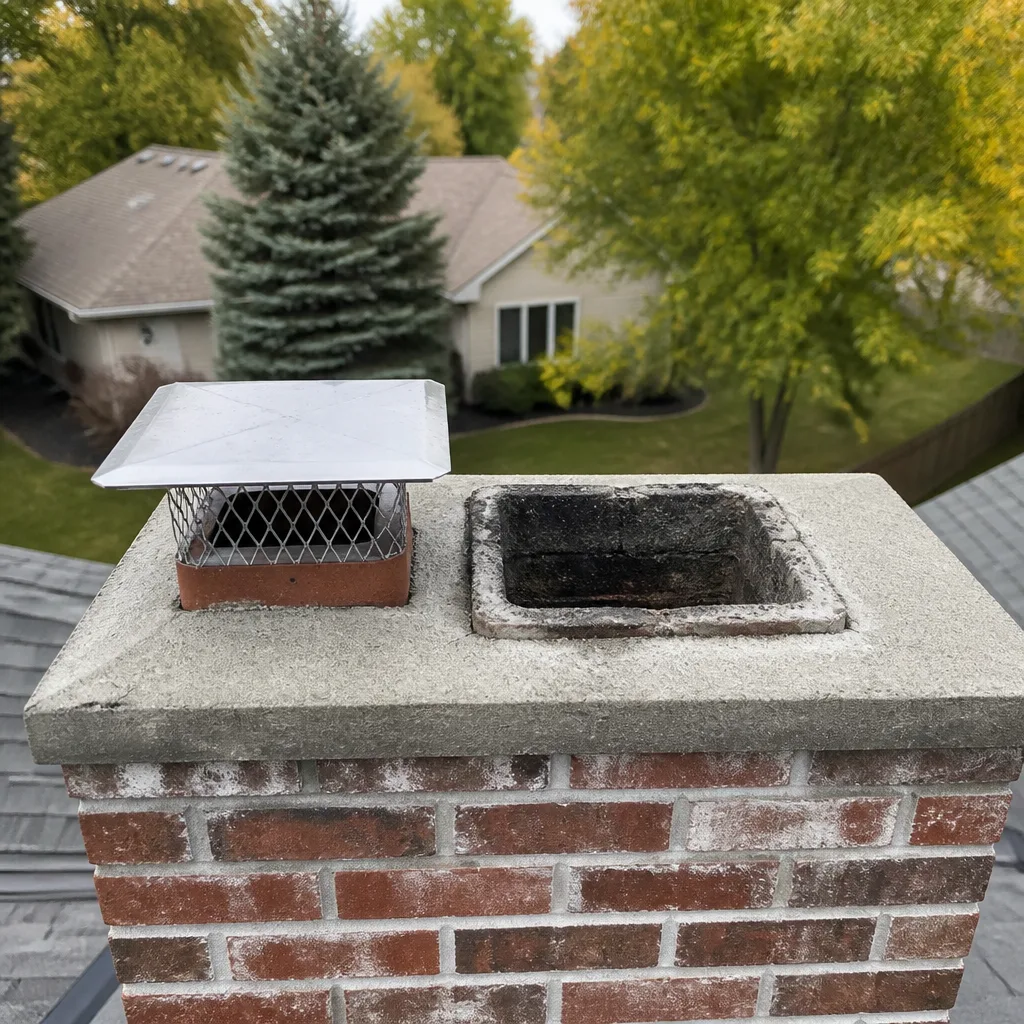
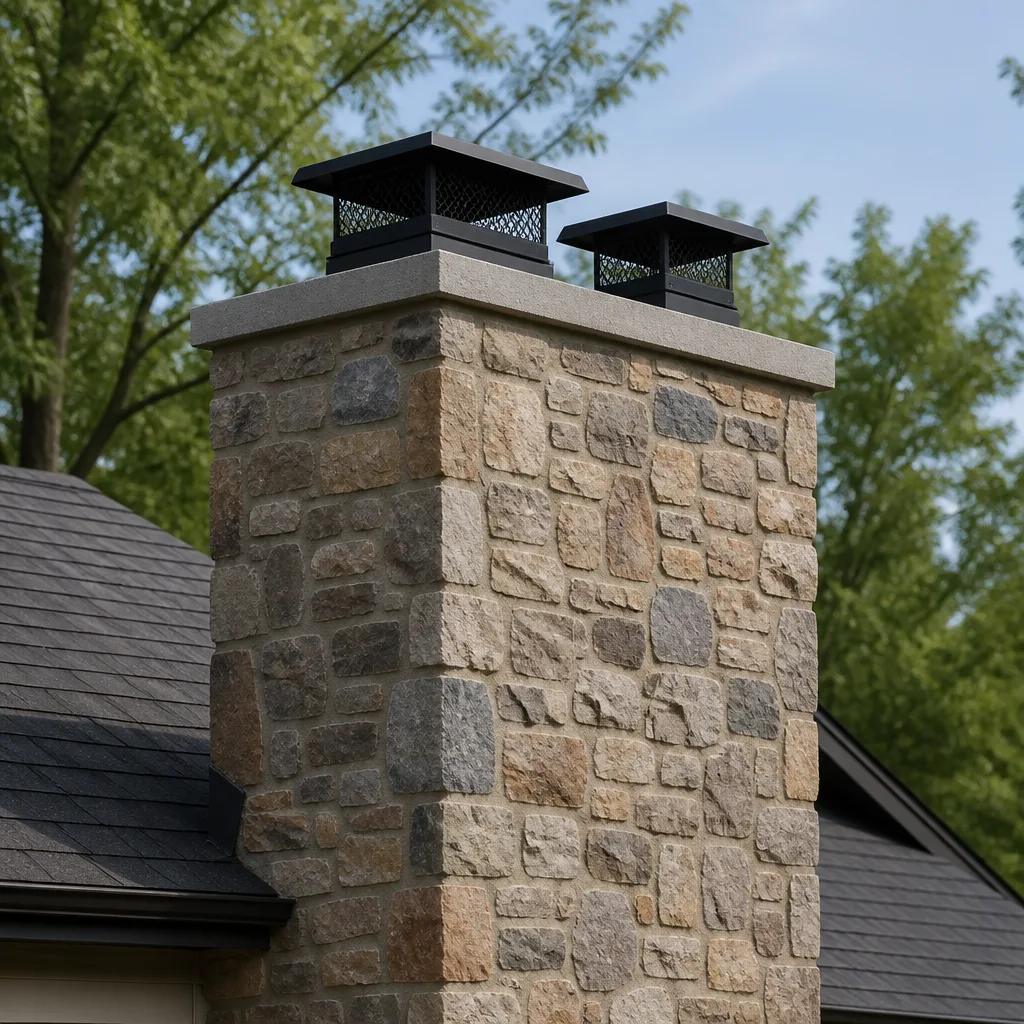
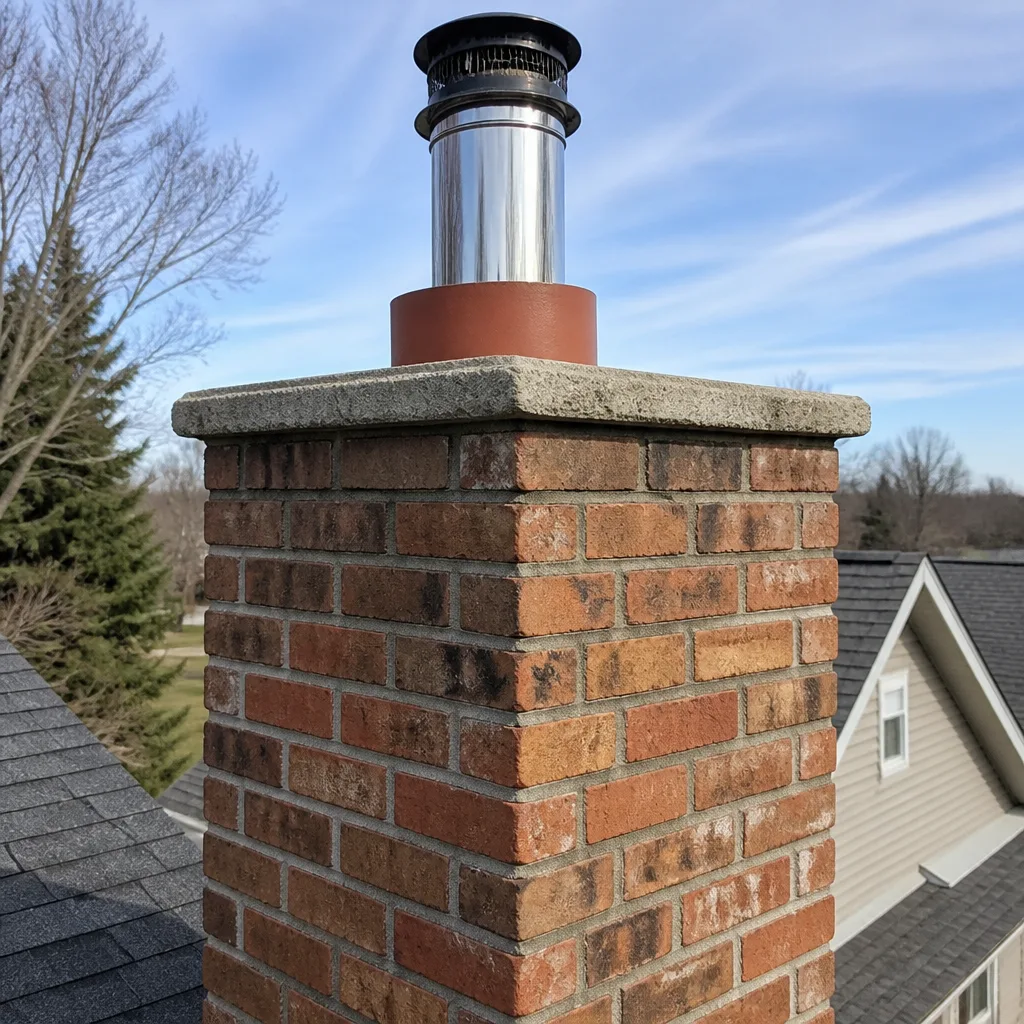
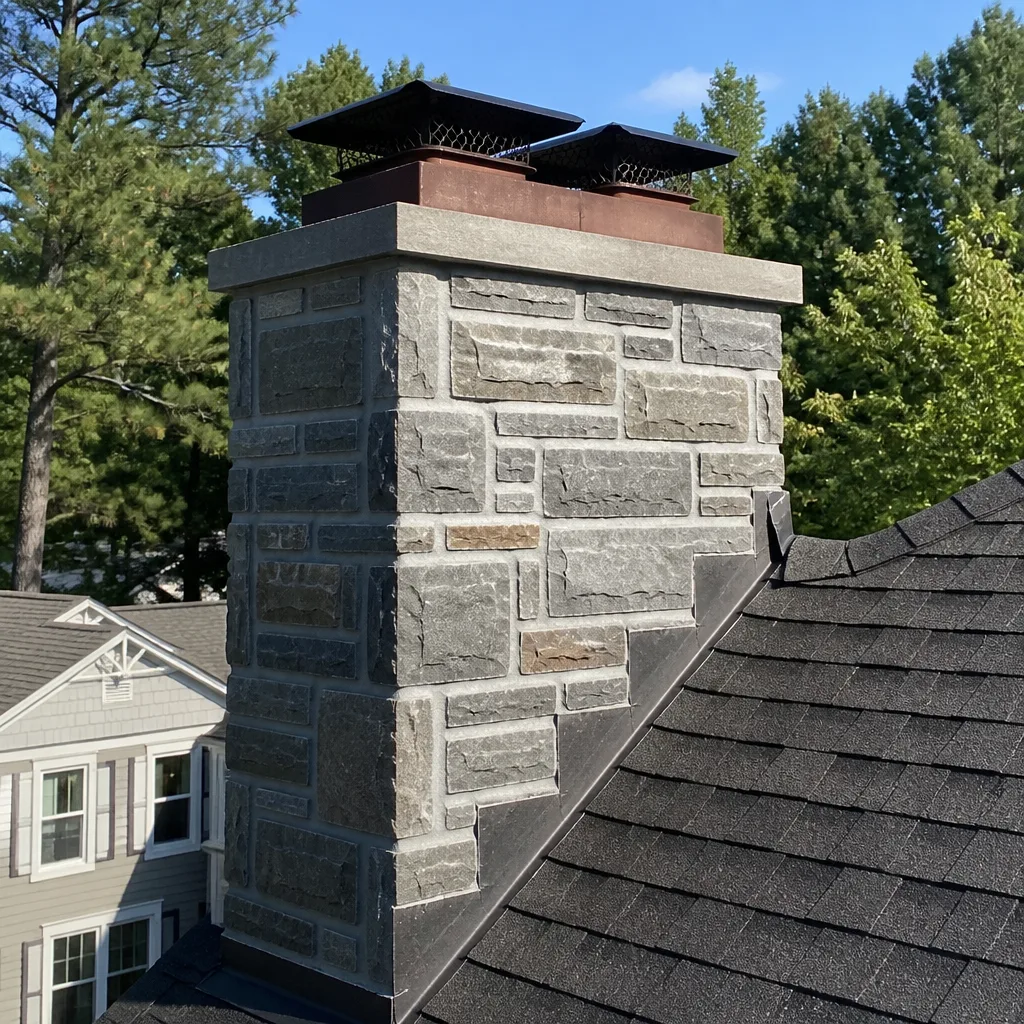
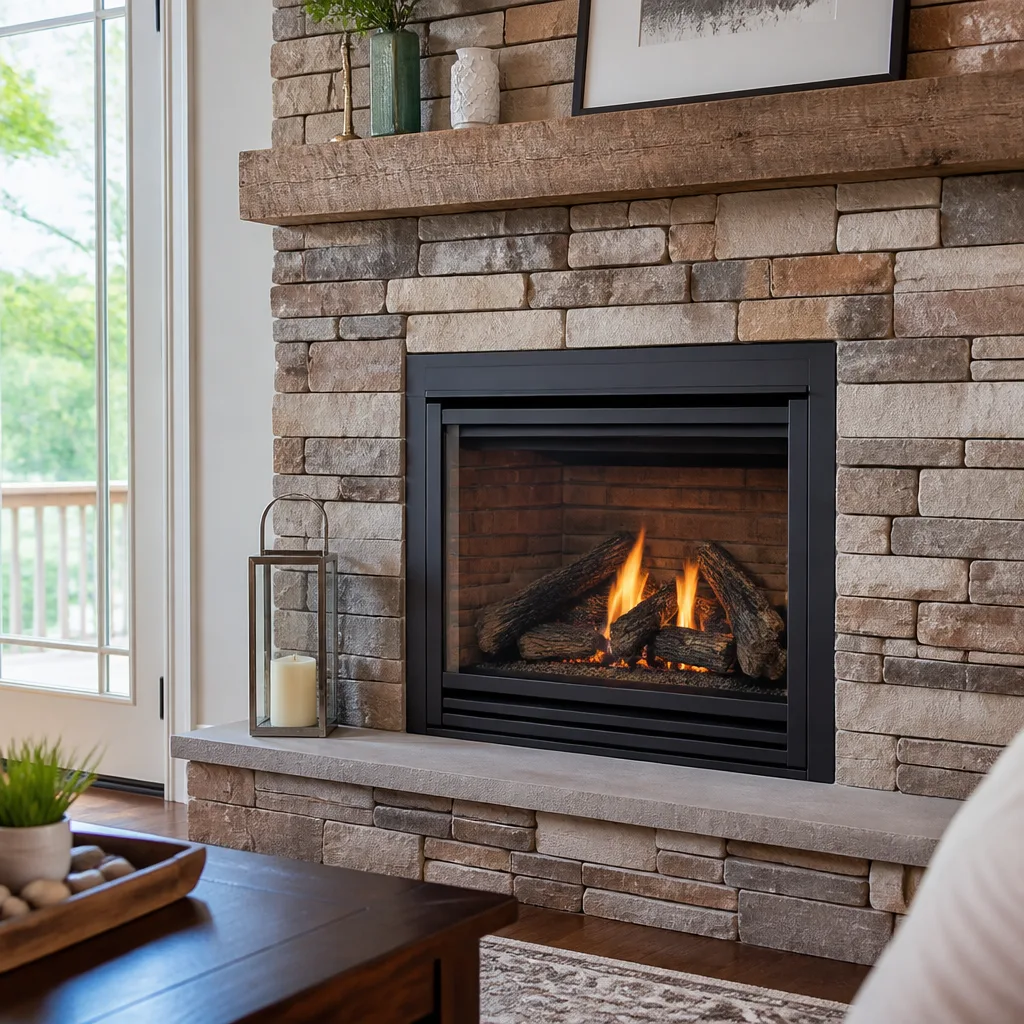
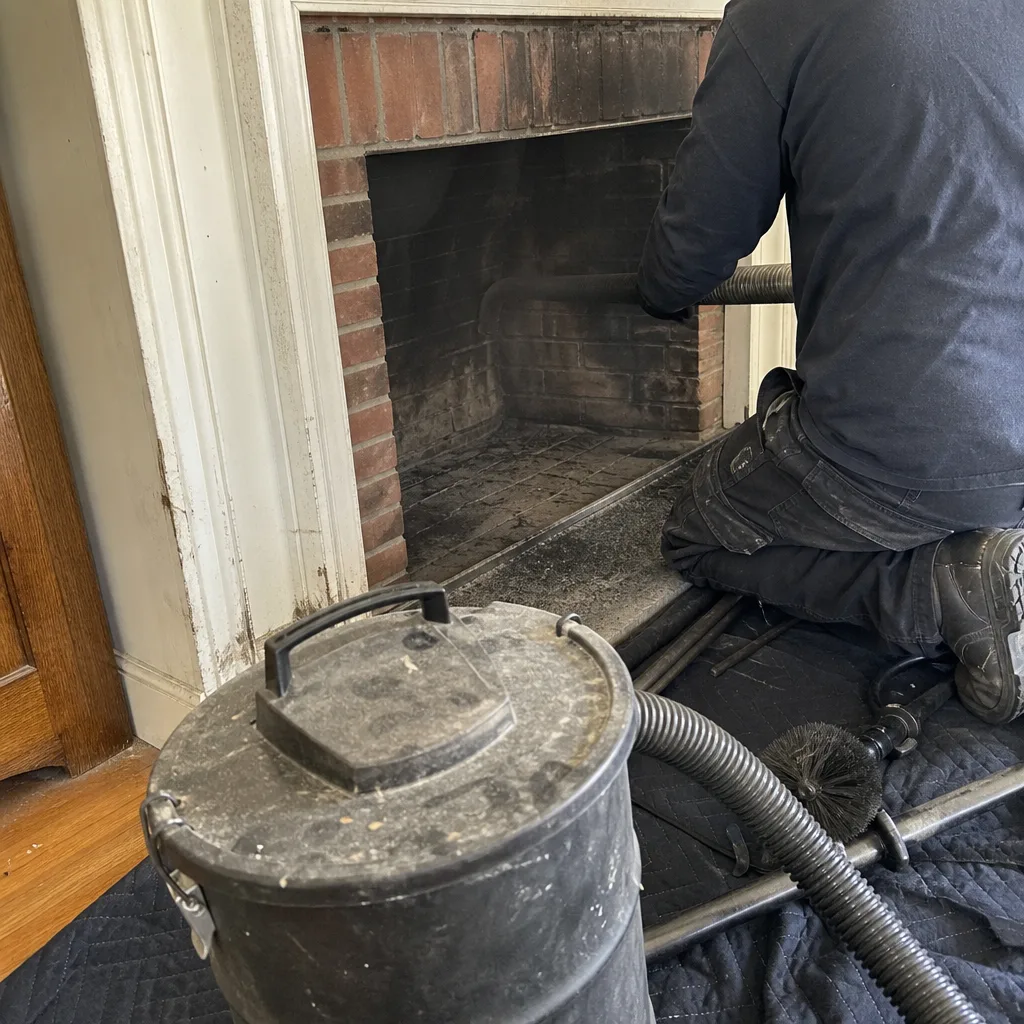 Before
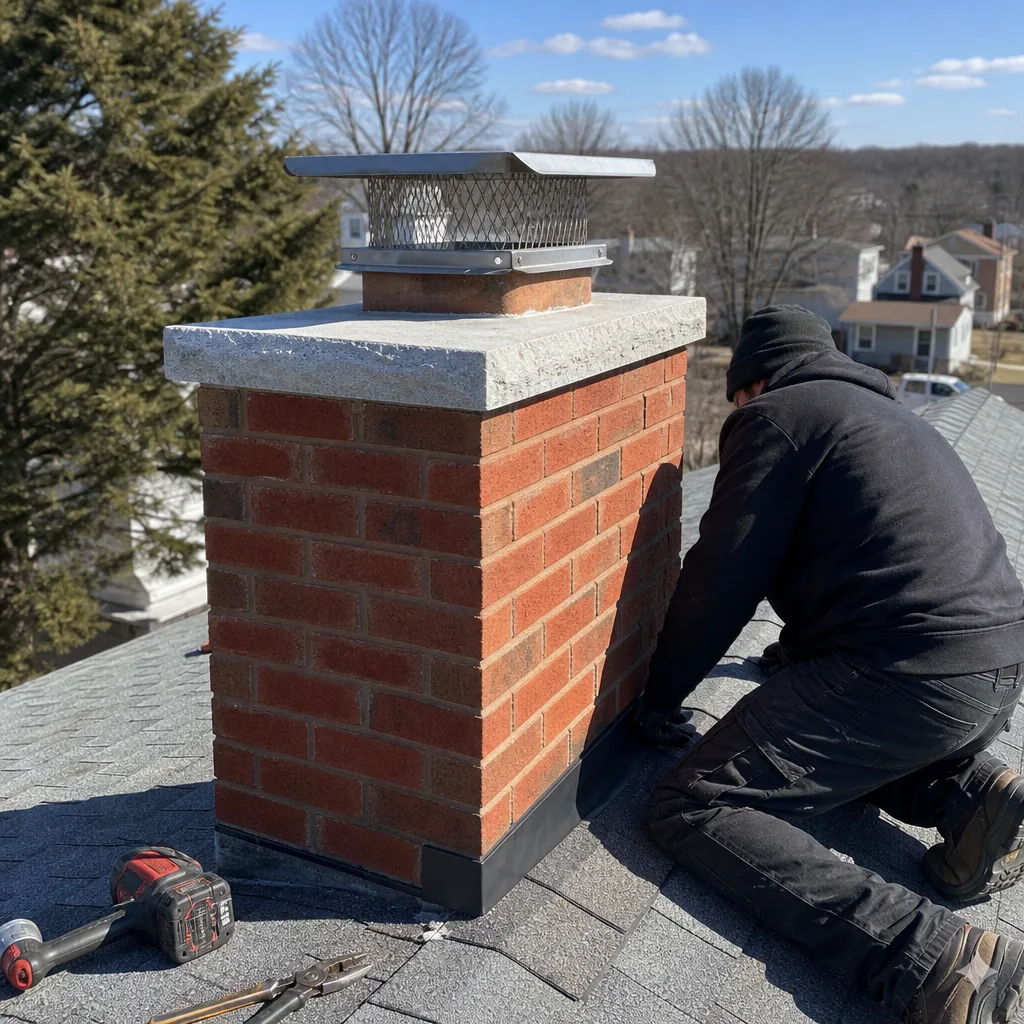 After
After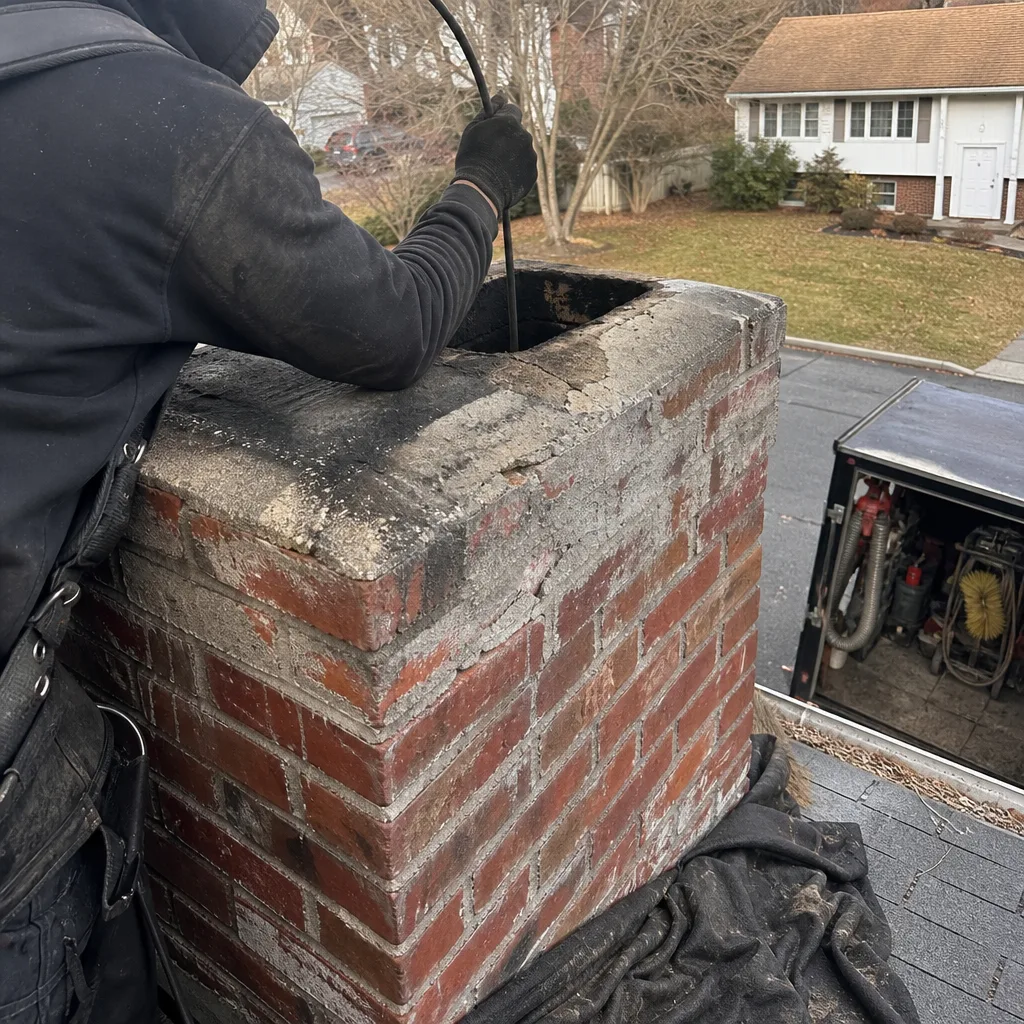 Before
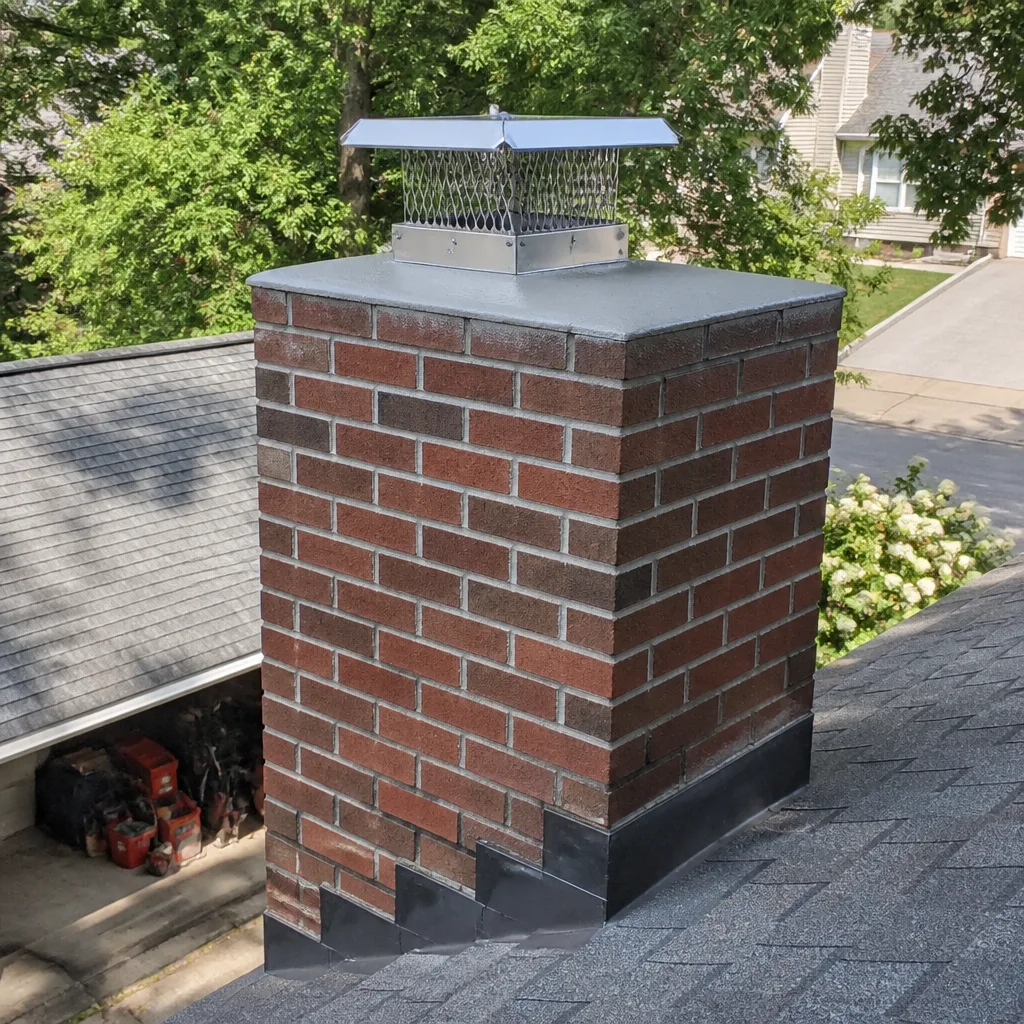 After
After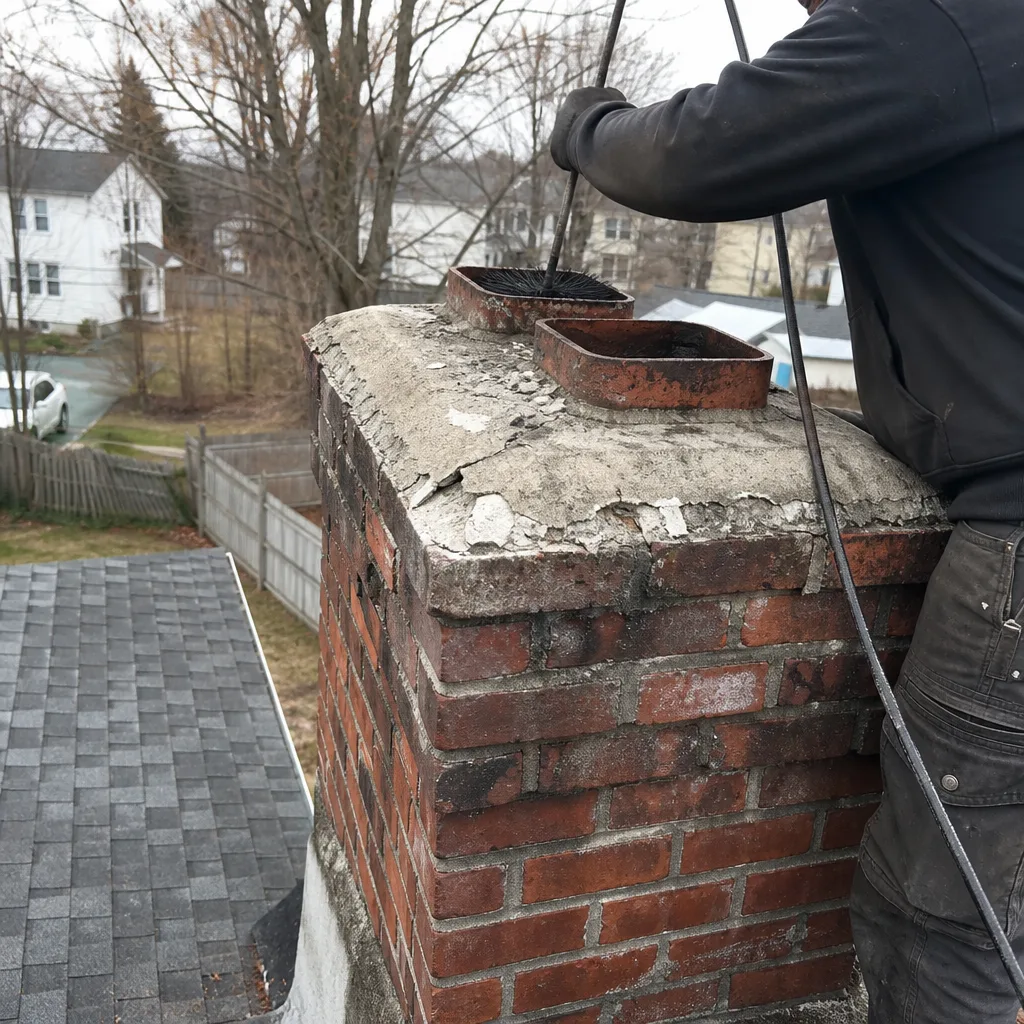 Before
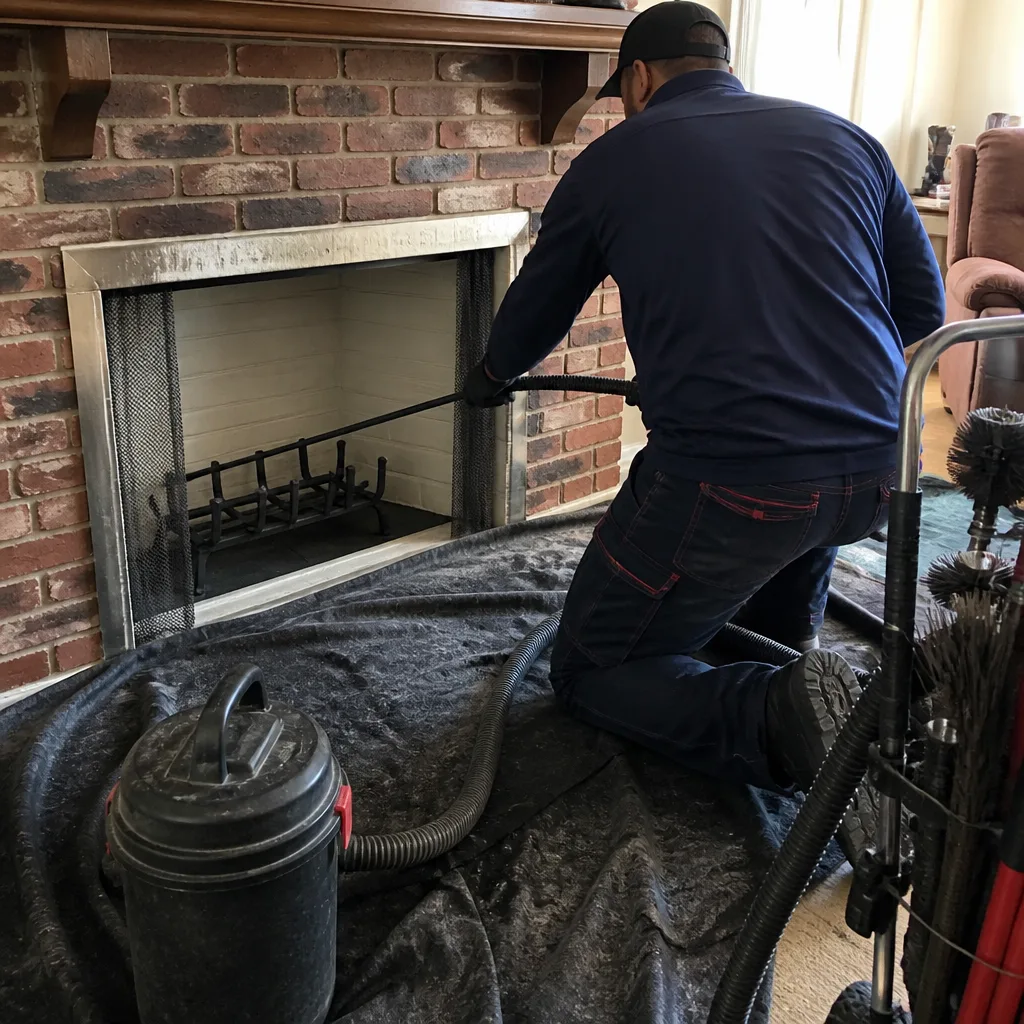 After
AfterFast, Reliable Chimney Cleaning & Sweep Across Reading
A chimney sweep in Reading typically costs between $189 and $349 depending on the level of inspection and the condition of your flue, and most cleanings take about 45 minutes to an hour once we’re on the roof. If you live anywhere in Reading, from the colonials near the town center to the ranches off Haverhill Street, you’ll talk to a live person when you call (978) 637-8560, and the price we quote is the price on the invoice. Wendell Pike has been cleaning chimneys since 1999, and while a lot of national chains rotate technicians through the Boston suburbs, our Chimney Cleaning & Sweep crew knows Reading’s housing stock the way you know your own street.
Why Top Hat Chimney Is Reading’s Preferred Chimney Cleaning & Sweep Company
Reading is not a town where you want a stranger on your roof. The streets around the commuter rail corridor, the neighborhoods off Main Street, the side roads near Birch Meadow and the Parker Middle School area, are full of houses that share walls, share flues, and in some cases share chimney stacks. We have been inside enough of those chimneys to know what to look for before we even set the ladder. Ask anyone on your street. Wendell puts his name and license number on every job, and he’s the person you’ll see again at Reading’s farmers market, not someone a franchise rotated in from another state last season.
When you call Top Hat Chimney for a sweep in Reading, a live person answers, around the clock. You won’t get a voicemail box. You’ll get a real arrival window, and if we’re running late, we call before you have to wonder. Every job is backed by our 90-Day Done Right Promise, in writing. If it’s not done right, one call brings us back at no additional cost. That’s how we’ve kept our name good in Reading and the surrounding towns for over 29 years.
Our Chimney Cleaning & Sweep Services in Reading
Here’s what we actually do when we sweep a chimney in Reading. No mystery, no upsell. Just the work, explained plainly.
Level 1 Inspection
A Level 1 inspection is what most Reading homeowners need with their annual sweep. We check the accessible portions of your chimney, the flue, the firebox, the damper, and the exterior. For homes around the town center that have been burning wood for decades, this is where we catch first-degree creosote before it becomes third-degree glaze. First-degree creosote is a brush job. Third-degree is a glaze, catch it early.

Level 2 Inspection
If you’re buying a house in Reading, changing fuel types, or you had a chimney fire, you need a Level 2 inspection. This is a camera scan of the entire flue. We run a borescope down the liner and show you the footage. This is the inspection that catches what Reading’s older chimneys hide: mid-century oil liners mortared into coal-era shafts with voids behind them, cracked clay tiles, and mortar joints that have opened up over 70 freeze-thaw winters. The camera footage and a plain-English verdict, every time, no exceptions.

Creosote Removal
Creosote is what burning wood leaves behind in your flue, and Reading’s cold winters mean fireplaces here get worked hard from October through April. We remove first-degree and second-degree creosote with rotary brushes and hand tools. If we find third-degree glaze, we’ll tell you straight and map out what needs to happen. In Reading’s older colonials and capes, we commonly find creosote that has condensed inside oversized flues, especially where a coal chimney was adapted for oil and then wood again without being relined.

Soot Removal
Soot is the fine black powder that builds up when combustion isn’t complete, and it’s common in Reading homes that burn green wood or run oil burners with less-than-clean efficiency. We remove soot from the flue, the smoke chamber, and the firebox. Soot is abrasive and it’s acidic, and left alone it accelerates wear on your liner. Better to remove it once a year than to replace a liner every fifteen.
We also handle annual sweeps for Reading’s gas and oil vented appliances. Once a year, burn or no burn. Chimneys break in the off-season too.

What happens when you call
- 1
A real person answersNo phone trees - you reach a local pro.
- 2
You get an upfront price rangeHonest numbers before anyone is dispatched.
- 3
A background-checked tech heads outLicensed & insured, dispatched right away.
- 4
You approve before work beginsNothing starts until you say go.
Trusted Brands We Service in Reading
When a Reading chimney needs more than a brush, we work with brands we trust and can stand behind. We install and service DuraFlex liners, which we use for relining the pre-war brick chimneys that are everywhere in Reading. We also work with HeatShield for parging and resurfacing, and Olympia Chimney for caps, dampers, and accessory components. Because we stock parts for these systems locally, we can often get a repair started within days, not weeks. And every part we install carries a manufacturer’s warranty on top of our own 90-Day Done Right Promise.
Common Chimney Cleaning & Sweep Problems We See in Reading Homes
Here are the four things we run into most often in Reading. This is not a generic list. This is what this town’s housing stock does to chimneys.
- Shared-flue cross-contamination in attached homes: Reading has a lot of attached and closely spaced housing near the commuter rail and around the old streets by the town common. When a neighbor’s new high-efficiency gas appliance vents into the same stack you burn wood in, the draft changes and creosote can back up into your firebox. A Level 2 inspection is the only way to see this before it becomes a problem.
- Oversized coal-era flues that condense creosote: Your 1920s Reading colonial was built for coal, not gas. The original flue is often three times the diameter it needs to be for modern appliances, and that oversized volume cools the exhaust too fast, forcing creosote and moisture to condense on the liner walls. Annual sweeping is non-negotiable on these chimneys.
- Freeze-thaw spalling on soft pre-war mortar: Reading averages around 55 inches of snow a year, and the melt-refreeze cycle hammers the aged lime mortar in pre-war brickwork. We see spalled brick faces and cracked crowns every spring on chimneys all over Reading. The damage happens even if you don’t burn a single fire all winter.
- Hidden voids behind mid-century oil liners: A huge portion of Reading’s 1910 to 1950s housing stock got oil burners in the 1950s and 1960s, and the standard practice then was to shove a smaller clay tile liner into the old coal shaft and mortar around the top. That leaves a void between the old brick and the new tile, a place where moisture gathers, efflorescence blooms, and eventually the liner shifts. We find this pattern constantly in Reading, and it’s exactly what a borescope inspection catches before your new gas insert makes it a code violation.
Pricing for Chimney Cleaning & Sweep in Reading, MA
For a standard annual sweep in Reading, expect to pay $189 to $249 for a single-flue chimney with a Level 1 inspection included. Add a Level 2 camera inspection and the total runs $329 to $399 for most Reading homes. Creosote removal for a heavily glazed flue lands in the $275 to $375 range depending on how much buildup we’re removing and how tall the flue is. Soot removal for an oil or gas flue is usually $159 to $219. If you’re in one of Reading’s attached homes and we need to sweep a shared stack with access from a party wall, that can run closer to $300. You’ll always get the number before a single tool comes off the truck, and the number we quote on the phone is the number on the invoice. Call (978) 637-8560 for an exact quote on your chimney. Estimates are free, and we’ll never recommend work you don’t need.
We Also Serve Cities Near Reading
Top Hat Chimney sweeps chimneys across the towns bordering Reading as well. If you’re in Stoneham, North Reading, Lynnfield, or Melrose, we cover you with the same upfront pricing and 90-Day Done Right Promise. See our Chimney Cleaning & Sweep in Reading details or call us and we’ll get your town on the schedule. Same crew, same standards, same live person answering the phone.
Serving Reading, MA - Our Local Coverage Area
We’re based in the Reading area and know this community well. Use the map below to see our service coverage - if you’re nearby, we can almost certainly help.
FAQs - Chimney Cleaning & Sweep in Reading
Yes, and in Reading we strongly recommend a Level 2 camera inspection before any fuel conversion. The coal-to-oil retrofits in this town’s 1910 to 1950s housing stock often left the original flue oversized and improperly lined, with voids between the old brick and the clay tile that was added later. A gas appliance vents differently than oil, and any damaged liner, open joint, or hidden void becomes a draft and safety problem. The camera inspection takes about an hour and we show you the footage before we recommend anything. Call (978) 637-8560 to book your pre-conversion inspection with Wendell’s crew.
In Reading’s attached colonials and the older housing near the commuter rail, a shared stack means your flue’s draft is affected by what your neighbor is venting, and creosote can back up into your firebox when a neighbor’s new high-efficiency gas appliance changes the airflow. A Level 2 inspection is the only way to see the full condition of a shared flue before creosote builds to a dangerous level. If you’re in an attached Reading home and haven’t had a camera inspection, we recommend one before the next burning season. Call us for a free estimate.
Efflorescence is the white powdery deposit left when water moves through masonry and evaporates, and Reading’s freeze-thaw winters force moisture into the soft pre-war mortar every spring when the snow melts. The moisture dissolves salts in the brick and mortar, then deposits them on the surface as the water evaporates. In Reading homes with coal-era chimneys, the culprit is often a hidden void behind a mid-century oil liner trapping moisture inside the shaft. We can diagnose the source during a regular sweep and tell you if you need crown work, repointing, or just better flashing. A sweep is the cheapest way to find out.
Yes, and in Reading it’s the standard recommendation, not an upsell. Capes and colonials from the 1910 to 1950s era were built with coal-sized flues, and even if the house has burned wood for decades, that oversized flue shape accelerates creosote condensation and hides damage a visual inspection won’t catch. We recommend a Level 2 camera inspection at least once every three to five years on older Reading chimneys, and more often if you burn every week. The camera footage is yours to see, and if the liner is sound, we’ll tell you to keep burning and we’ll come back next year. No work invented, no fear sold.
No, not safely, and in Reading code and common sense both say the flue has to be inspected and usually relined before a gas insert goes in. The problem is not the fireplace itself, it’s the chimney behind it. Reading’s pre-war chimneys were built for coal, and the liner from a mid-century oil conversion is often cracked, shifted, or hovering over a moisture-trapping void. A gas insert needs a properly sized, continuous liner, and in most of the older Reading homes we see, that means a DuraFlex liner installed to spec. Skip this step and you risk draft failure, carbon monoxide problems, and a code violation. Call (978) 637-8560 and we’ll walk you through what your specific chimney needs.
Written by the team at Top Hat Chimney, serving Reading since 1999, with a 90-Day Done Right Promise stamped on every job.