
Last updated September 10, 2026
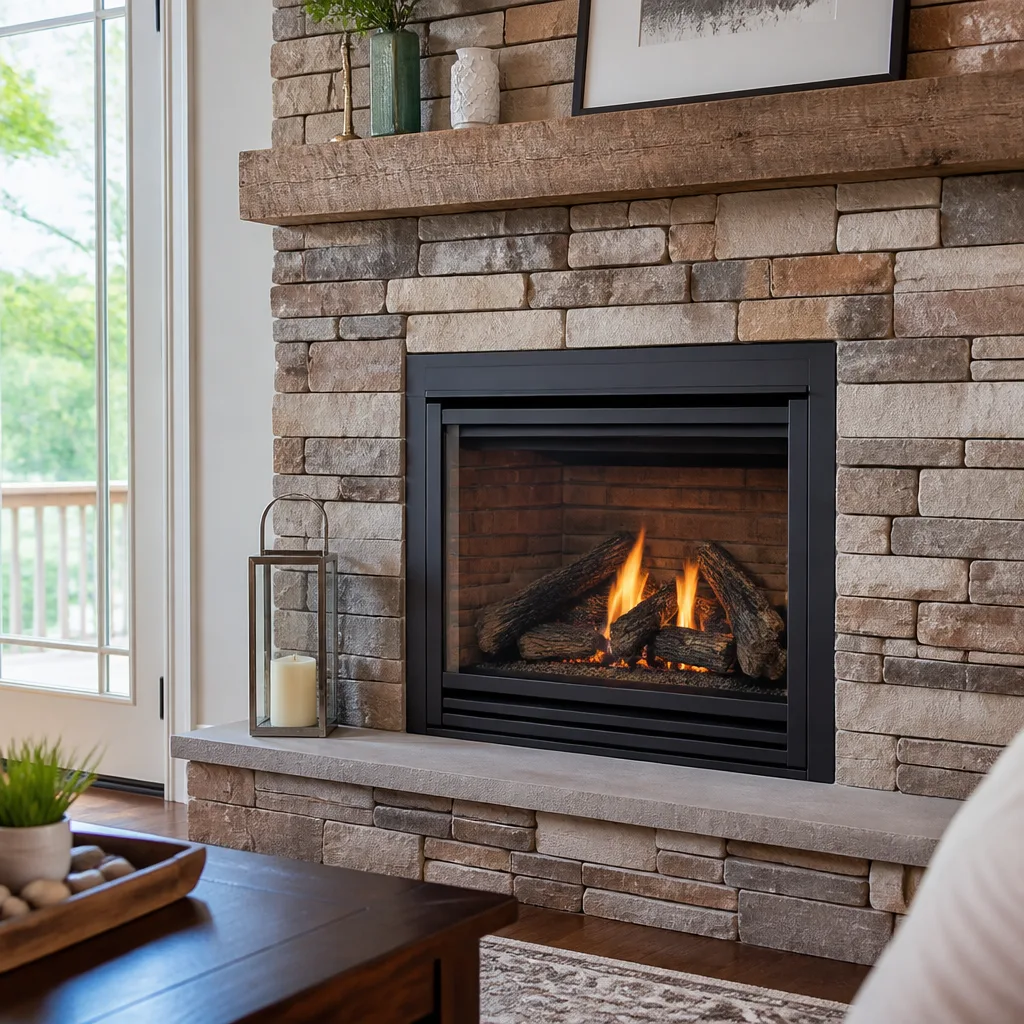
Level 1 sweep and inspection to the NFPA 211 annual standard - flue, crown, cap, and flashing checked and photographed
Chimney sweep logs do not sweep chimneys. They loosen some creosote - which then falls where a brush and vacuum still have to collect it.
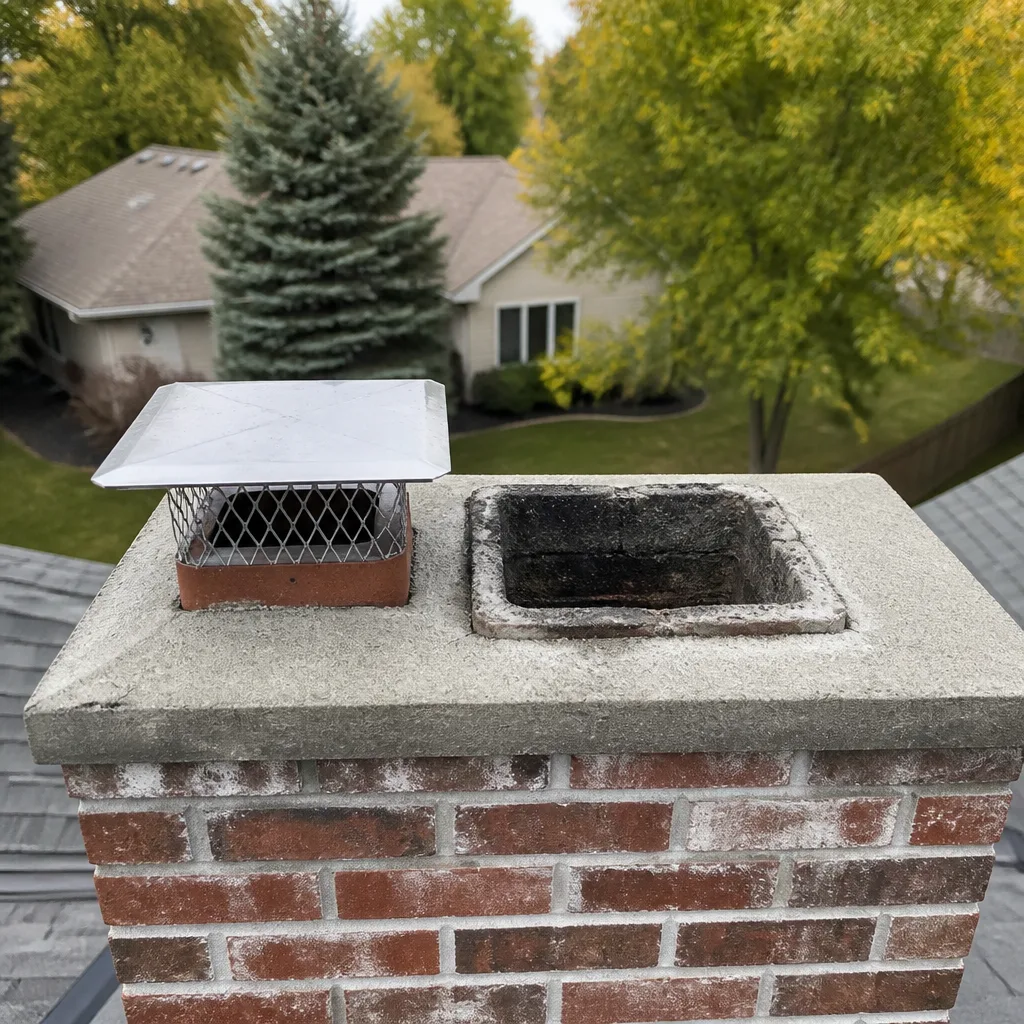
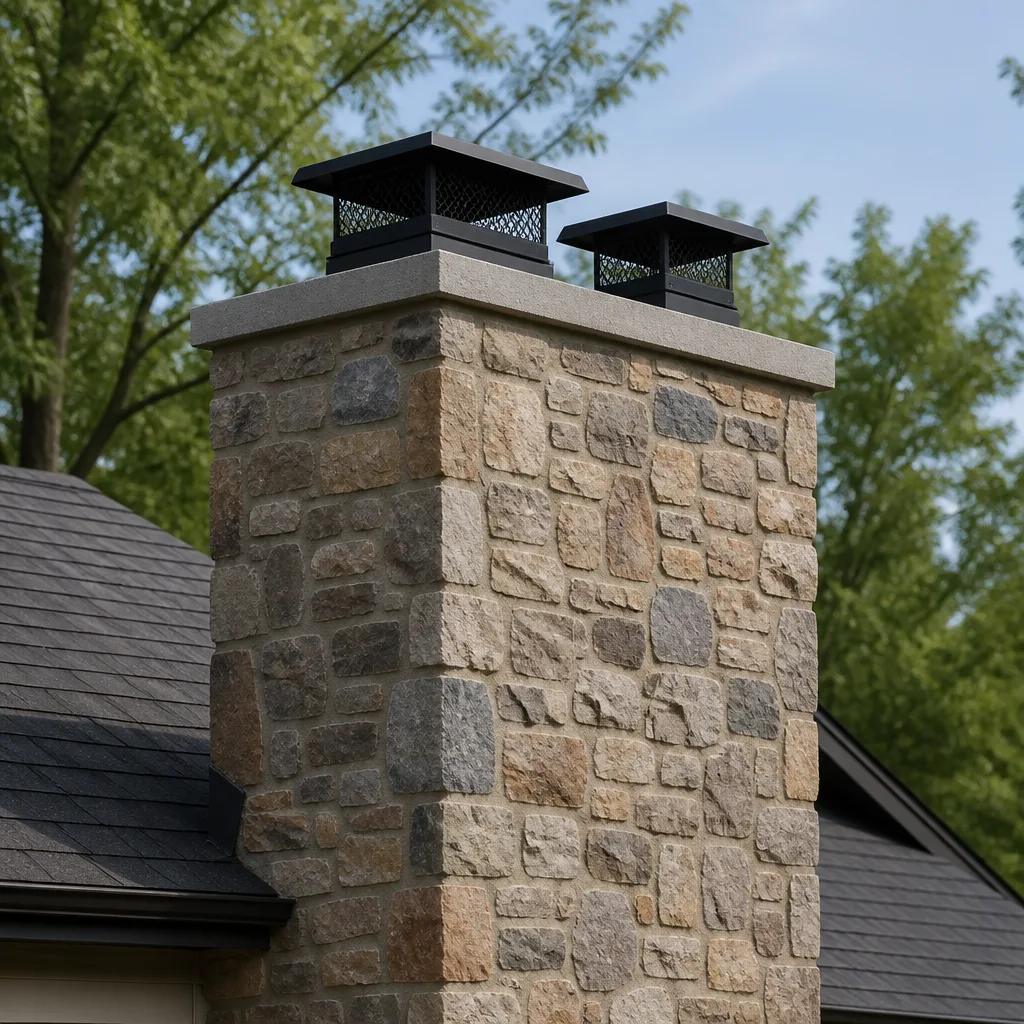
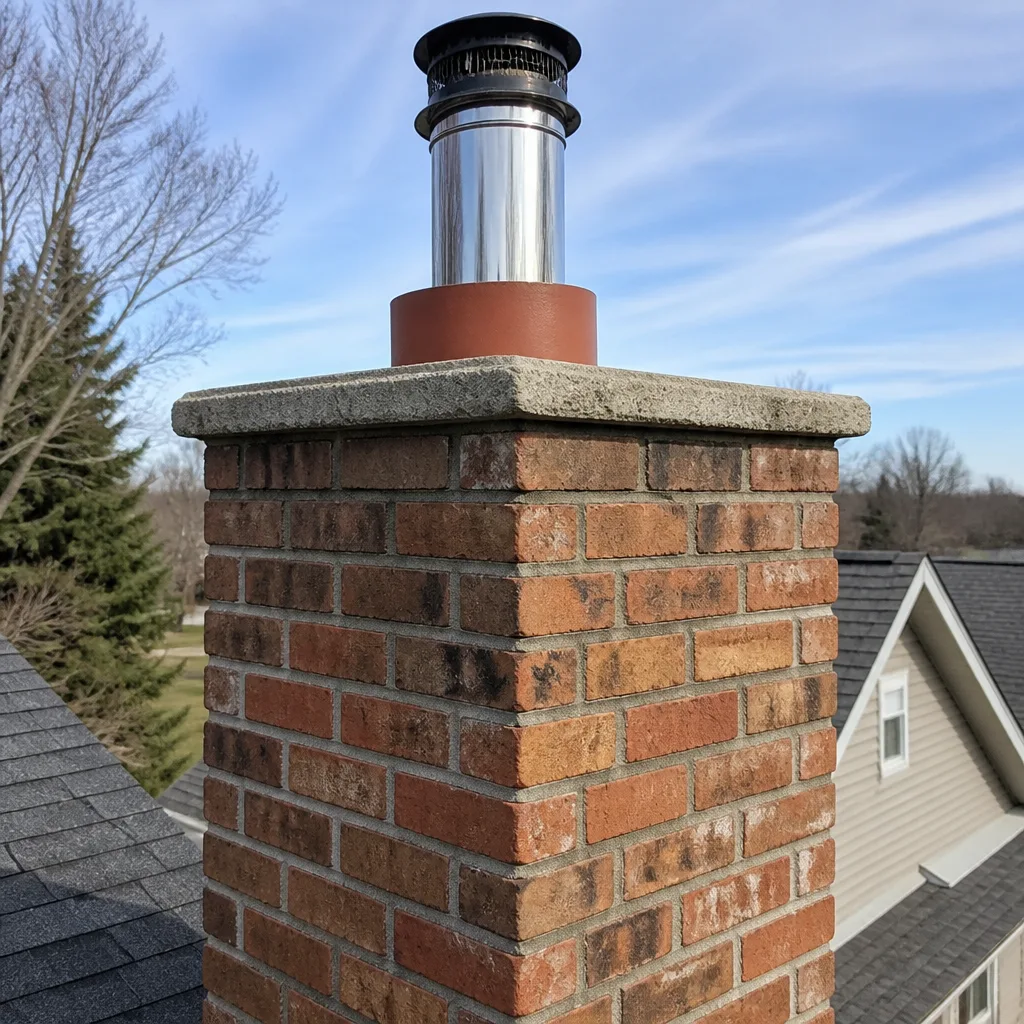
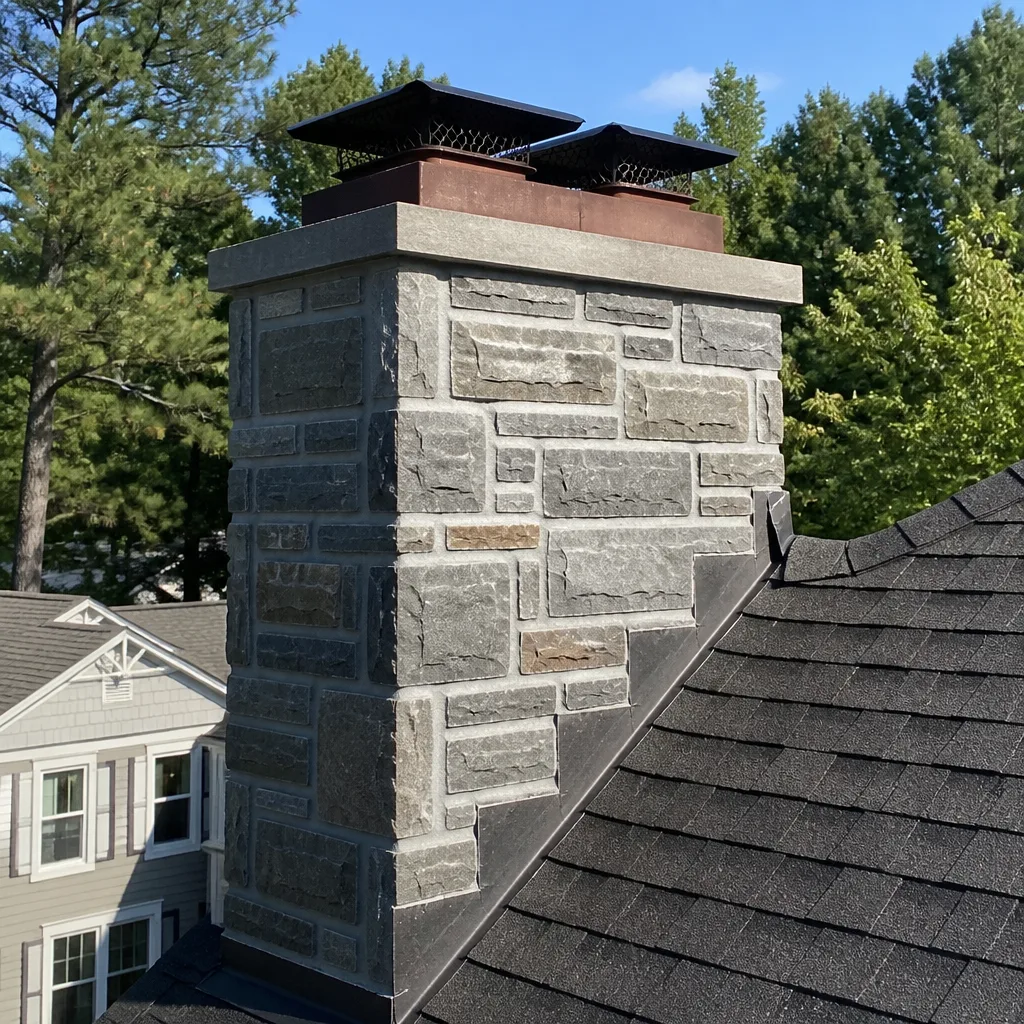
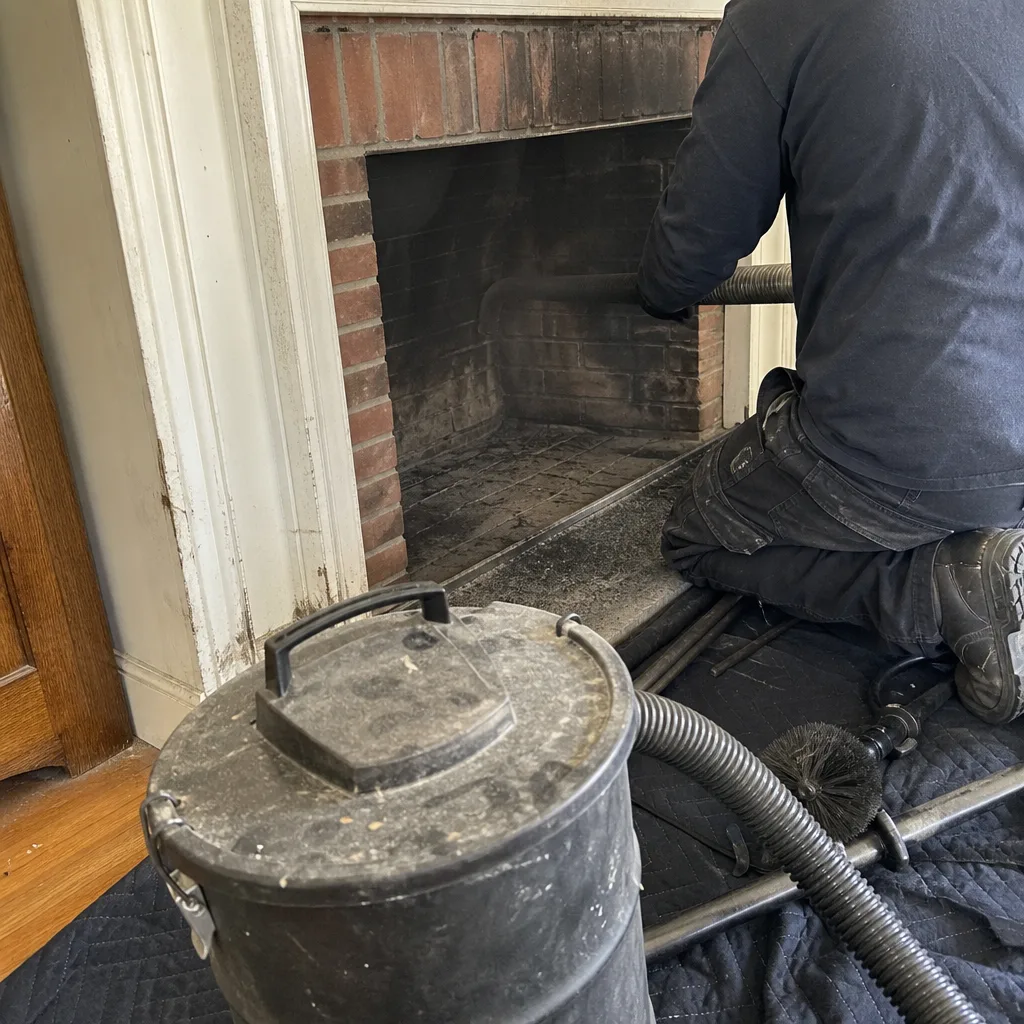 Before
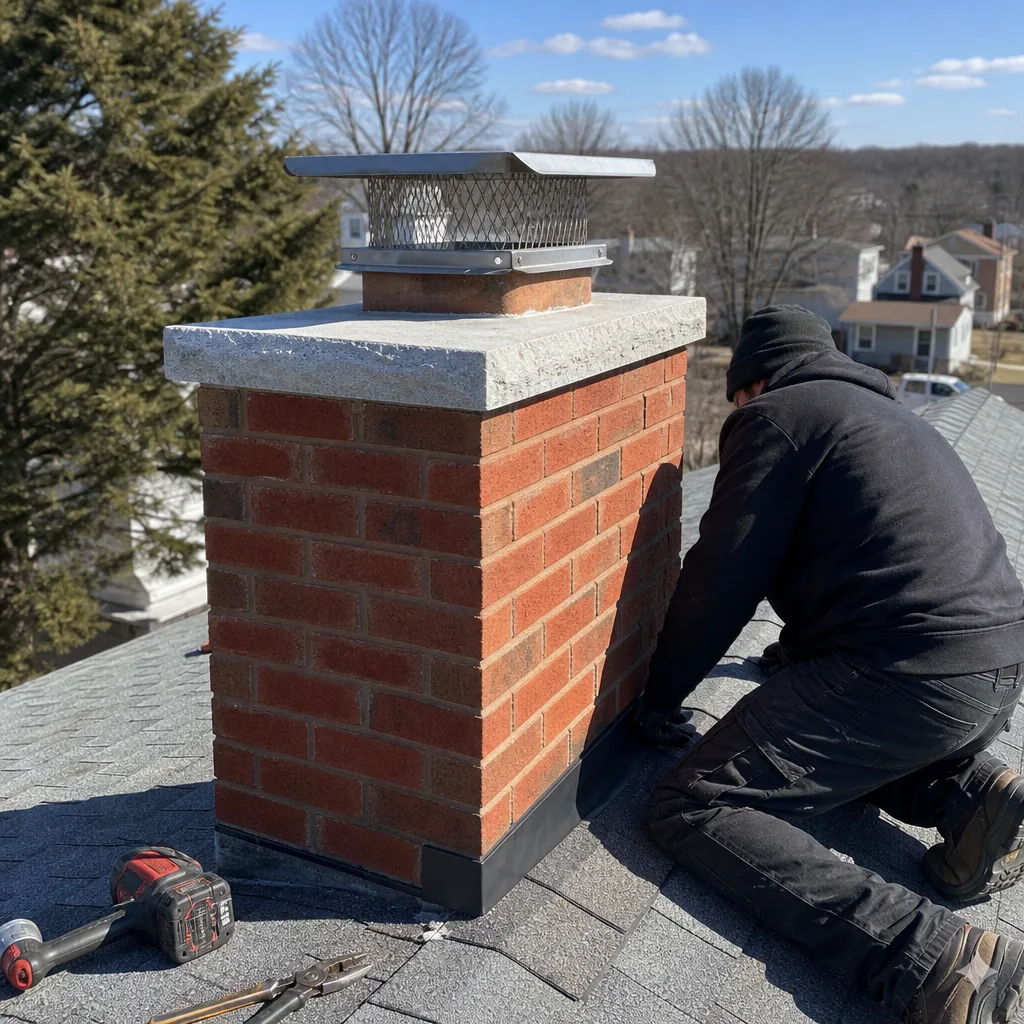 After
After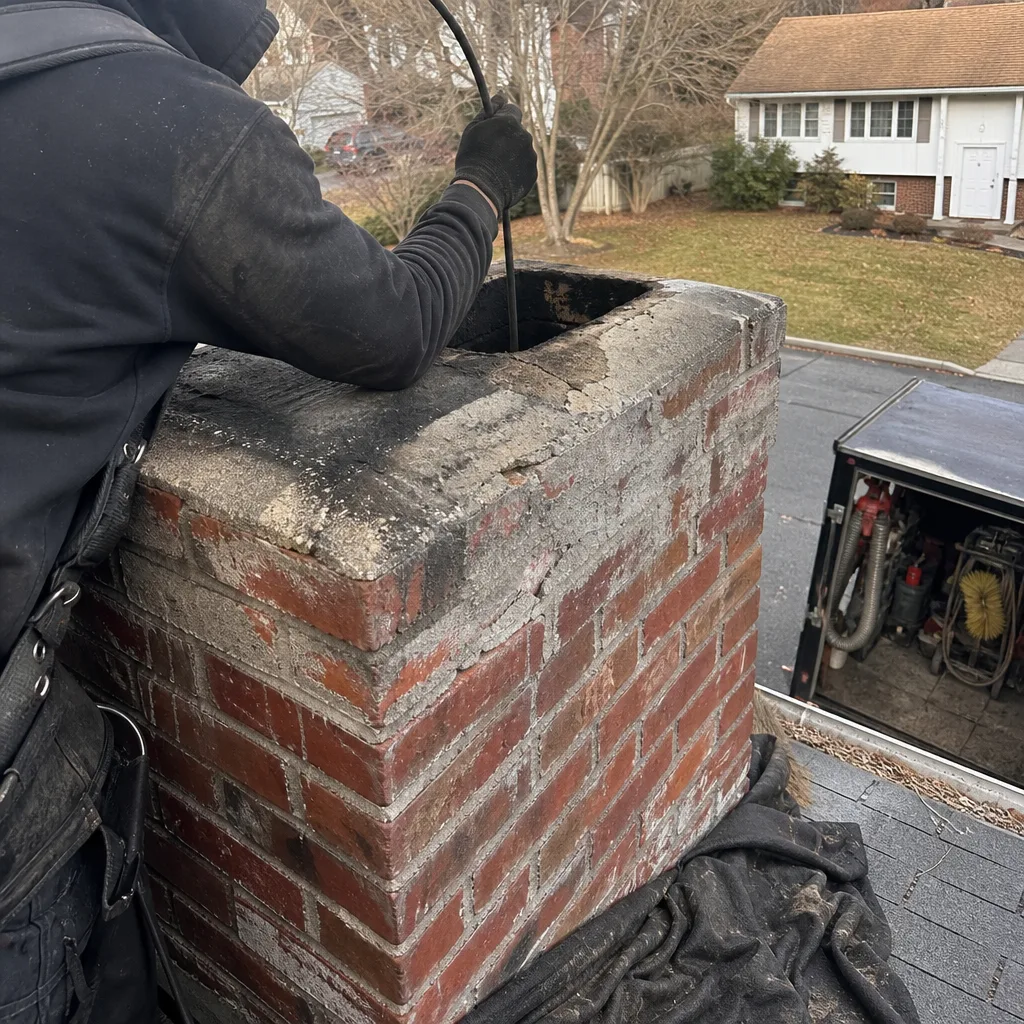 Before
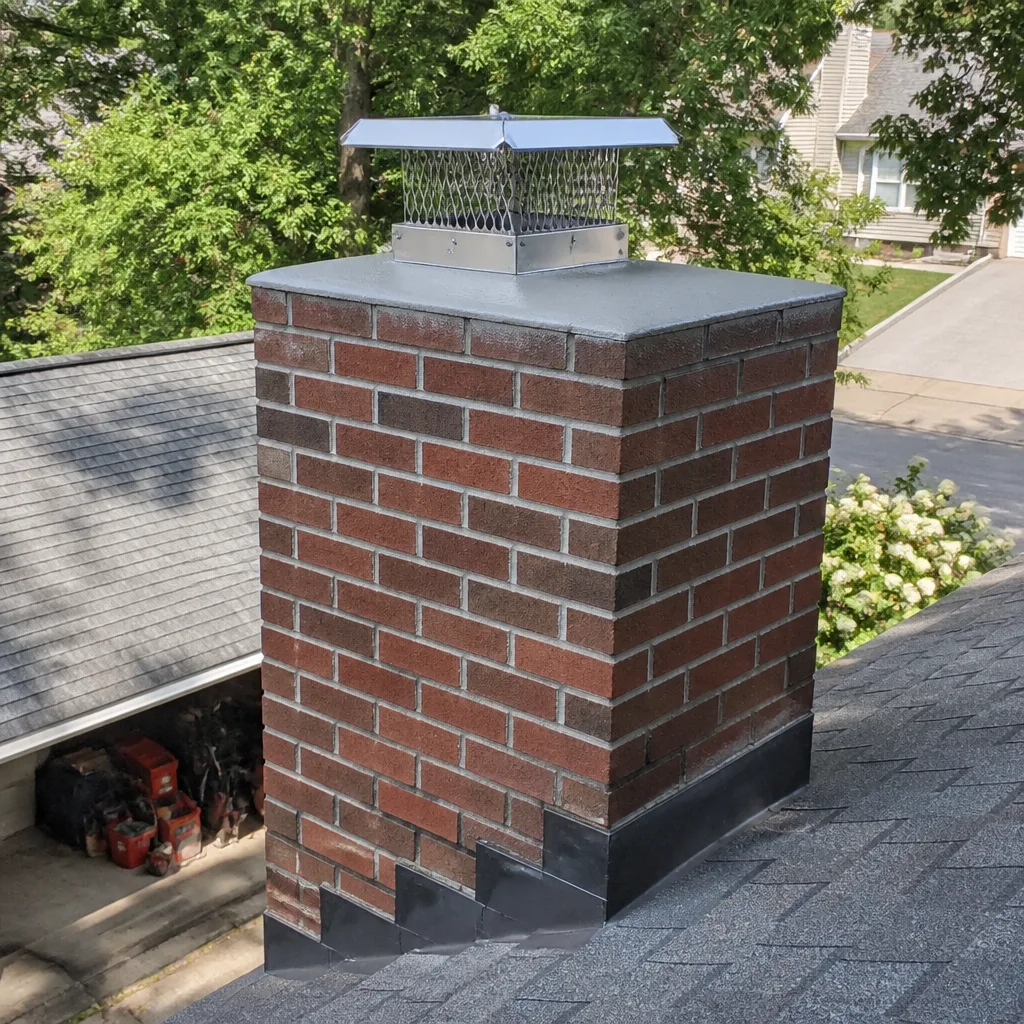 After
After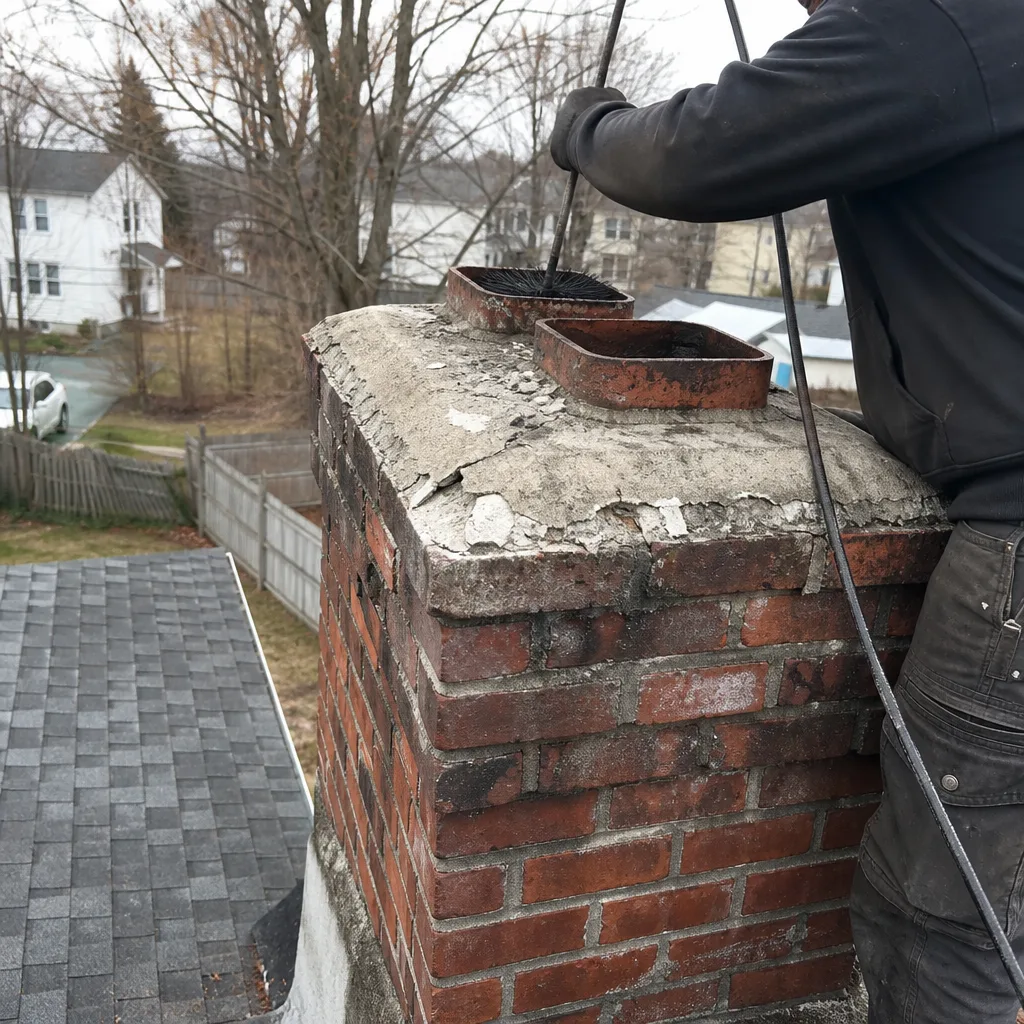 Before
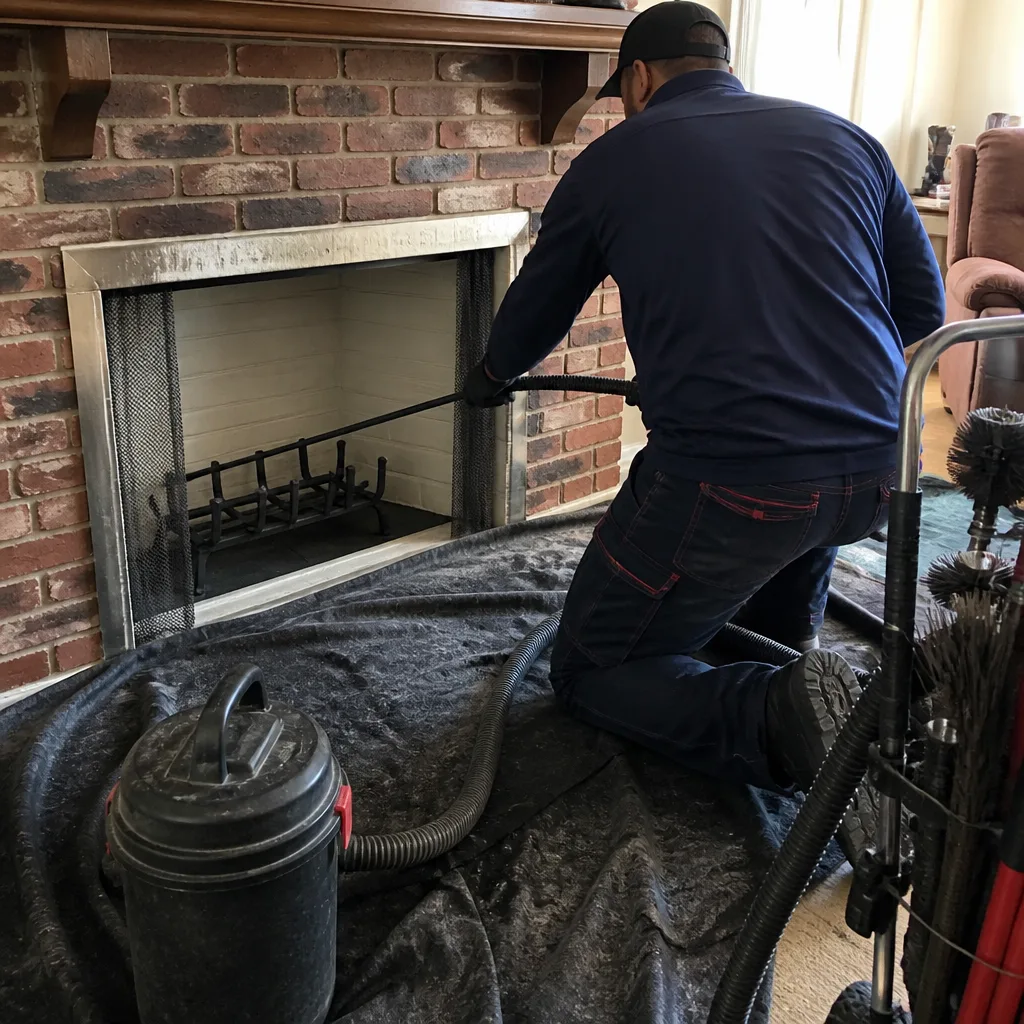 After
AfterThe Complete Guide to Chimney Cleaning in Peabody
Here’s something most chimney guides won’t tell you: the biggest threat to a Peabody chimney isn’t the fire you burn. It’s the one you don’t. A flue that sits cold and damp through a North Shore autumn accumulates moisture, and moisture turns creosote into something closer to roofing tar. We know because we’ve scraped it off clay tile liners in homes that haven’t seen a fire in three years. This guide gives you the straight version of what applies to a Peabody house, built in a certain era, burning a certain amount of wood, in a climate that does not do mild. For more guides & resources, see our blog. No fluff, no fear. Just what actually shows up on a rooftop in February.
Quick Answer
Chimney cleaning in Peabody typically costs between $189 and $329 for a standard sweep and inspection, and most homes burning 2-3 cords of wood per season need it done once a year. The job takes about 45 to 90 minutes, and a proper sweep includes a Level 1 inspection, written report, and photo documentation of the flue’s condition. If your home has an older clay-tile flue, which many pre-1970 Peabody homes do, the inspection matters as much as the cleaning itself.
Table of Contents
- What Every Peabody Homeowner Needs to Know
- How Often Should You Clean Your Chimney? It’s Not What the Calendar Says
- The Three Degrees of Creosote: What Your Sweep Actually Sees
- Why Peabody’s Older Housing Stock Changes the Cleaning Conversation
- Level 1 vs. Level 2 Inspections: What NFPA 211 Actually Requires
- What a Sweep Should Hand You When the Job Is Done
- How to Verify a Massachusetts Sweep’s License Before Anyone Gets on Your Roof
- Common Mistakes to Avoid
- When to Call a Professional
- Frequently Asked Questions
- The Bottom Line
What Every Peabody Homeowner Needs to Know
Chimney cleaning is not a luxury service. It is preventive maintenance, the same category as changing your furnace filter or cleaning your gutters, except the consequence of skipping it is a chimney fire rather than a dusty living room. Here in Peabody, where winter temperatures routinely dip below 20 degrees and wood stoves run hard from November through March, the creosote buildup on a flue wall is measurable by January. Not maybe. Measurable.
The physics is simple. Wood smoke carries unburned particles upward. When that smoke hits the cooler upper portion of the flue, those particles condense on the liner walls. Burn hot fires and dry wood, and you get a fine, flaky dust that a brush handles easily. Burn green wood, smolder fires overnight, or run a stove with the damper mostly closed, and you get the thick, sticky stuff that hardens into a glaze. In Peabody’s damp coastal air, that glaze hardens faster than it does inland. Moisture accelerates the curing process, and Peabody sits close enough to the Atlantic that winter air holds more water than people realize.
Here’s what a Peabody homeowner actually needs to know, in order:
- Creosote is the enemy, and it builds faster than you think. A cord of wet wood can produce more creosote in two months than two cords of properly seasoned hardwood produces in a full season.
- Your flue can look fine from the top and be lined with trouble inside. That’s why a visual check from the roof is not an inspection. You need eyes inside the flue, either by camera or by direct observation with proper lighting.
- A chimney can fail even if you never burn a fire. Spalling brick, cracked crowns, and deteriorating mortar joints happen regardless of use. Water is the second enemy, and Peabody gets plenty of it.
- The paperwork matters. If a sweep says “everything looks good” but hands you nothing in writing, you have no record of what was checked and no baseline for next year.
Wendell and his crew have swept chimneys in Peabody since 1999, and the homes we see today fall into two broad categories: those with original clay tile liners, some dating back to the 1940s and 50s, and those that have been relined with stainless systems from manufacturers like DuraFlex or Copperfield. Each behaves differently during a cleaning, and each has its own failure patterns. We’ll get into that below.
If you’re new to this or just want the short version of what our Top Hat Chimney home service area covers, the essential point is this: cleaning is cheaper than repair, and repair is cheaper than a fire. The rest of this guide explains the details so you can make your own informed call.
How Often Should You Clean Your Chimney? It’s Not What the Calendar Says
The standard answer you’ll hear is “once a year.” That’s the NFPA 211 guideline, and it’s a fine starting point. But the real answer for a Peabody home depends on how much wood you burn, what kind of wood, and how you burn it. A couple who fires up the fireplace three times between Thanksgiving and New Year’s and otherwise uses their oil furnace does not need the same cleaning schedule as a family on the west side of Peabody running a wood stove as primary heat from October to April.
Here’s the better rule: once a year, burn or no burn. Chimneys break in the off-season too. Water gets into the crown, freeze-thaw cycles work on the masonry, animals nest in the flue. A chimney that sat unused for twelve months still needs eyes on it before that first fire. The cleaning might be quick, but the inspection is non-negotiable.
For heavier users, the real metric is cords burned, not calendar months. Here’s a practical breakdown:
- Less than 1 cord per year: Annual inspection with cleaning as needed. Some years the flue only needs a light brush. Other years, after a wet season, it needs more.
- 1 to 3 cords per year: Full cleaning every year, without exception. This is the typical Peabody home with a wood stove or fireplace insert doing real heating work.
- 3+ cords per year: Plan for a mid-season checkup. By February, most flues running this volume show measurable buildup, even with good wood and good burning habits. A light mid-season brushing can prevent problems before the coldest stretch ends.
To estimate your own usage, think about your wood pile. A full cord is a stack 4 feet high, 4 feet wide, and 8 feet long. If you ordered two cords in September and the pile is half gone by February, you’re in the 1-3 cord range. If you’ve burned through that and reordered, you’re a heavy user.
What you burn matters as much as how much. Softwoods like pine and fir produce more resin and more creosote. Unseasoned wood, anything split less than six months before burning, smokes heavily and deposits creosote fast. The best advice we give Peabody homeowners is boring but true: burn dry hardwood, split small, stored under cover for at least one full summer. Oak, maple, and hickory are the workhorses here. If you’re burning wood you bought from a roadside pile in October, plan on a heavier cleaning in the spring.
One more Peabody-specific note: homes near the tidal areas, down toward the North River and the stretch along Route 114 in South Peabody, get more morning fog and damp air. That moisture makes creosote cure harder and makes masonry more susceptible to spalling. If you live in one of those pockets, do not push the cleaning interval. The damp air is doing enough work against you already.
The Three Degrees of Creosote: What Your Sweep Actually Sees
Creosote is not one substance. It exists in three stages, and each stage requires a different cleaning approach. This distinction, more than anything else, determines whether your sweep is a quick brush job or a more involved process. Anyone who has spent time inside Peabody chimneys has seen all three, often in the same flue at different heights.
First-degree creosote is the flaky, sooty residue you get from hot, efficient fires. It looks like fine black dust or small flakes, and it comes off with a standard chimney brush. Most homes burning well-seasoned hardwood with good airflow produce mostly first-degree creosote. This is the easy cleaning, the one that takes 45 minutes and leaves the flue looking clean.
Second-degree creosote is the crunchy, granular stuff. It looks like dark cornflakes or coffee grounds glued to the flue wall. It forms when fires run cooler or wood is less seasoned. A standard brush will knock much of it loose, but stubborn deposits may need a more aggressive approach. This is the stage where most Peabody homes land when they push a cleaning from one year to two.
Third-degree creosote is a glaze. It looks like tar that has baked onto the flue wall, shiny and hard. It forms when creosote, moisture, and heat combine over time, and it is concentrated fuel. Third-degree creosote burns extremely hot and is the primary fuel source for chimney fires. A standard brush will not remove it. Removal typically requires rotary cleaning tools or chemical treatments followed by mechanical removal.
First-degree creosote is a brush job. Third-degree is a glaze. Catch it early. The difference in cost between cleaning a first-degree flue and dealing with a third-degree glaze is significant, and the risk gap is even wider.
What pushes a flue toward second and third degree? The usual culprits are green wood, overnight smoldering, restricted airflow from a closed damper, and oversized flues that cool smoke too quickly. Older Peabody homes with large, open fireplaces often have oversized flues, which is why we see more glaze in the pre-1970 housing stock than in newer homes with properly sized liners. If you have an original fireplace in a 1950s Colonial and you burn wood regularly, ask your sweep to check for glaze on every visit. Do not assume a brush is enough.
Why Peabody’s Older Housing Stock Changes the Cleaning Conversation
Peabody has a lot of older homes. Walk through the neighborhoods off Lynnfield Street, down by the leather district, or over near Emerson Park, and you’re looking at houses built before 1970, many with original clay tile chimney liners. These liners have been doing their job for 50, 60, sometimes 80 years. Some are still in good shape. Many are not.
Clay tile liners fail in predictable ways. The mortar joints between tiles crack, especially near the top of the flue where freeze-thaw cycles hit hardest. Tiles crack vertically or spall off in pieces. Gaps open between sections. Once a gap forms, heat and gases can reach the masonry around the flue, and you have a fire hazard that no amount of brushing will fix.
During a cleaning, a clay-tile flue requires more care than a stainless liner. The brush must be sized correctly. Too aggressive a brush on a compromised liner can knock loose tile pieces that were barely hanging on. A good sweep will slow down on older flues, inspect as he goes, and tell you plainly if the liner is nearing the end of its useful life. That conversation is not a sales pitch. It is the difference between a liner you catch at the first crack and a full rebuild you’re forced into after a chimney fire.
Newer homes and homes that have been relined with stainless systems like DuraFlex or Copperfield behave differently. Stainless liners clean faster and accumulate less creosote than rough clay tile. But they are not maintenance-free. The connection points at the top plate and the appliance connector need checking, and the liner itself should be inspected for warping or corrosion. Homes with these systems still need an annual sweep and inspection, but the cleaning is typically faster and the long-term prognosis is generally better.
A quick note for anyone buying a home in Peabody: if the house was built before 1970 and the chimney has never been relined, get a Level 2 inspection before you close. More on what that is below. But the short version is that a standard home inspection does not look inside the flue. We have seen too many buyers move into a Peabody home, light their first fire, and discover a liner that should have been flagged before the papers were signed.
Level 1 vs. Level 2 Inspections: What NFPA 211 Actually Requires
The National Fire Protection Association, under NFPA 211, defines three levels of chimney inspection. Most Peabody homeowners only ever need the first two, but understanding the difference is the single best way to know whether you’re getting a real service or a quick brush and a wave.
A Level 1 inspection is the standard inspection that accompanies a routine cleaning. It covers the readily accessible portions of the chimney: the flue interior, the firebox, the damper, the exterior of the chimney from the ground, and the basic condition of the masonry and liner that can be seen without special tools or access. If you’re cleaning a chimney that has been used only normally and is not showing any problems, a Level 1 is appropriate. This is what you should expect with every annual cleaning in Peabody.
A Level 2 inspection is more thorough. It includes everything in a Level 1 plus access to attics, crawl spaces, and basements along the chimney path, and it typically involves a video scan of the flue interior. NFPA 211 requires a Level 2 inspection under specific circumstances: when you’re buying or selling a home, when the chimney has been damaged by a fire or weather event, when there’s a change in the heating appliance or fuel type, or when the chimney has been repaired or relined and you need to verify the work.
Here’s how to think about it for a Peabody home:
- Routine annual service, no known issues: Level 1. Always. If a sweep quotes you a video inspection as an add-on for a routine cleaning and nothing has changed about your system, ask why.
- Buying or selling a home: Level 2. This is not optional if you want to know the real condition of the flue. The $150 to $300 it costs is nothing compared to discovering a cracked liner after closing.
- After a chimney fire, lightning strike, or severe storm: Level 2 minimum. A chimney fire can crack a liner invisibly. So can a lightning strike. A Level 3 inspection, which requires removing portions of the chimney structure, is rare and only used when severe damage is suspected.
- After relining or major repair: Level 2 to verify the work. We run a camera on every reline job before we call it done. You should expect the same from any company working at your Peabody home.
The camera footage matters. The camera footage and a plain-English verdict, every time, no exceptions. That’s how you know what’s actually inside your flue. A sweep who won’t show you the camera or explain what he’s looking at is a sweep who doesn’t want you to know something.
What a Sweep Should Hand You When the Job Is Done
A proper chimney cleaning ends with more than a clean flue. It ends with documentation. If the sweep packs up his brushes and says “you’re all set” without handing you anything, you have not received a professional service, regardless of what was or wasn’t removed from your chimney.
Here’s what you should receive after every cleaning at your Peabody home:
- A written condition report. This covers what was found, what was cleaned, and what condition the flue, liner, damper, firebox, crown, and cap are in. It is your record of service and your baseline for next year.
- Photo or video documentation. At minimum, before and after photos of the flue interior. The best sweeps run a camera and show you the footage while explaining what you’re seeing.
- A plain-language explanation of anything that needs attention. If the liner is cracked, the crown is spalling, or the damper is warped, that should be explained in terms you understand, with the urgency level clearly stated: fix now, fix before next burn season, or monitor.
- An honest answer on anything that can wait. This is where the national chains fail most often. A liner nearing the end of its life needs replacing before you burn again. A hairline crack in the crown might have years left. A good sweep tells you the difference and shows you the evidence.
The report is your protection. If a chimney fire happens in February and your insurance company asks when the flue was last cleaned and inspected, you want a written record from an established local company, not a memory of a guy who showed up one Saturday with a brush and a receipt. Ask anyone on your street who has been through an insurance claim after a chimney fire. They’ll tell you the paperwork mattered.
How to Verify a Massachusetts Sweep’s License Before Anyone Gets on Your Roof
Massachusetts does not require chimney sweeps to be licensed. This surprises most homeowners, but it’s true. The state has no chimney sweep licensing board and no standardized exam. What Massachusetts does have is a robust set of building codes that govern chimney construction and repair, and a Home Improvement Contractor registration requirement for anyone doing repair work over a certain dollar threshold.
This means you cannot assume a sweep is qualified just because he has a truck with a logo and a business card. You have to do the checking yourself. Here’s how to do it for a Peabody hire:
- Ask about CSIA certification. The Chimney Safety Institute of America is the industry’s primary certifying body. A CSIA-certified sweep has passed a rigorous exam and maintains continuing education. It’s not required by law, but it is the strongest available signal of competence. Wendell has maintained his CSIA certification for over two decades.
- Check for HIC registration. In Massachusetts, contractors doing home improvement work must register with the state’s Office of Consumer Affairs and Business Regulation. This is public record. Ask for the registration number and verify it. Any legitimate Peabody-area company will provide this without hesitation.
- Ask for proof of insurance. A professional sweep carries liability insurance and workers’ compensation. If a crew member falls off your Peabody roof and the company is uninsured, you may be on the hook. Request a certificate of insurance before anyone climbs a ladder.
- Check the local reputation. Peabody is a city of neighborhoods. Ask on your street. Ask at the hardware store. A company that has been working in Peabody since 1999 has a track record you can actually verify, not just review counts on a website.
The phone call matters too. When you call a sweep, does a live person answer? A 24/7 live-answer policy, no voicemail box and no call center, tells you something about how a company operates. It tells you they answer the phone when a chimney fire happens at 11 p.m., not just when the appointment book has openings.
Our Chimney Cleaning & Sweep in Peabody page walks through what a standard service visit includes, start to finish. If you’re comparing companies, that page gives you a concrete checklist to hold us to.
Common Mistakes to Avoid
- Skipping the annual inspection because “we barely use the fireplace.” Chimneys break in the off-season too. Water, animals, and time do not care how many fires you lit. A Peabody winter’s freeze-thaw cycles work on masonry every year, used or not.
- Trusting a home inspector to check the flue. A standard home inspection does not include an internal flue inspection. Home inspectors are trained to spot obvious exterior problems, not to run a camera through a clay tile liner. If you bought a Peabody home without a Level 2 inspection, schedule one now.
- Burning green wood because it was cheaper at the roadside stand. Wet wood produces less heat and dramatically more creosote. The $50 you save on wood becomes $300 in cleaning and, in the worst case, a chimney fire. Buy seasoned hardwood from a reputable supplier in the Peabody area.
- Ignoring a damper that doesn’t seal properly. A leaky damper lets warm air escape up the flue all winter and lets cold air drop into the living room all summer. It’s a simple repair, but most homeowners just live with it for years.
- Hiring the cheapest quote without checking credentials. A $99 special from a flyer likely means a brush, a wave, and a hard sell on repairs you may not need. The no-hassle upfront pricing model, the number on the phone matching the number on the invoice, is what a real local company delivers.
- Using the fireplace without a properly sized and installed cap. Rain, snow, and the local raccoon population will all take advantage of an uncapped flue. A good cap pays for itself in one New England winter.
- Waiting for “open season” pricing in the fall. Most Peabody sweeps are booked solid from September through January. Spring and summer cleanings are easier to schedule, often cheaper, and leave your chimney ready to burn the first cold night of fall.
When to Call a Professional
Chimney work is not a DIY project. The tools are specialized, the access is dangerous, and the consequences of doing it wrong are catastrophic. If your flue is overdue for cleaning, if you’re seeing smoke backup into the room, if you notice a strong creosote smell when the fireplace isn’t in use, or if you’ve just bought a home and haven’t had the flue inspected, call a professional. If you hear a deep rumbling sound from the chimney while a fire is burning, that is a chimney fire in progress. Evacuate and call 911. Afterward, call a sweep for a full inspection before anyone lights another fire.
If you’re anywhere in Peabody or the surrounding towns, Chimney Repair in Peabody covers the full range of what a damaged flue might need, from minor mortar repointing to full liner replacement. Top Hat Chimney offers free estimates in Peabody. Call (978) 637-8560 and Wendell will tell you honestly whether the job needs doing at all.
Frequently Asked Questions
A standard chimney sweep and Level 1 inspection in Peabody typically costs between $189 and $329, depending on the height of the chimney, the condition of the flue, and what type of liner is installed. Add a Level 2 inspection with video scanning and the total runs $250 to $500. Top Hat Chimney provides upfront pricing with no trip charge inside the county, so the number you hear on the phone is the number on the invoice. Call (978) 637-8560 for an exact quote on your specific chimney.
Every year, burn or no burn. If you burn more than three cords of wood per season, plan for a mid-season checkup as well. Peabody’s damp coastal air accelerates creosote curing, and the older clay-tile flues in many pre-1970 homes need closer monitoring than newer stainless liners.
Yes, because the inspection is the real value. Even a fireplace that sees three fires a year needs its flue checked for water damage, animal nests, and structural problems before that first fire. A cleaning that finds nothing is cheap insurance. A flue that hasn’t been inspected and hides a cracked liner is a different story entirely.
A sweep removes creosote and debris from the flue. An inspection evaluates the condition of the entire chimney system: liner, masonry, crown, cap, damper, and firebox. A professional cleaning should always include a Level 1 inspection. Any sweep who cleans without inspecting is doing half the job, and you have no way to know what he missed.
If your Peabody home has an original clay-tile liner that is cracked, spalling, or has gaps between tile sections, yes. A compromised liner allows heat and combustion gases to reach combustible materials around the chimney. Relining with a stainless system, such as a DuraFlex or Copperfield liner, resolves the problem and is far cheaper than rebuilding the chimney from the ground up. A video inspection tells you whether your liner is sound or not. The camera footage and a plain-English verdict, every time, no exceptions.
Depending on your burning habits, you might get away with it, or you might not. In a best case, the creosote buildup makes next year’s cleaning more difficult and more expensive. In a worst case, that creosote ignites and you have a chimney fire. Peabody homes with older clay-tile liners and heavy burning habits have the least margin for error. The cost of an annual cleaning is a fraction of the cost of repairing fire damage or relining a destroyed flue.
The Bottom Line
Chimney cleaning in Peabody comes down to this: a clean flue is a safe flue, and a safe flue is a documented one. Burn dry wood, know your usage in cords, get a Level 1 inspection with every cleaning, and get a Level 2 inspection when the situation calls for it. Verify your sweep’s credentials before anyone climbs a ladder. Demand a written report and camera evidence when the job is done. And never let anyone sell you work without showing you proof it’s needed. The flue doesn’t care how the fire looks. It cares how it breathes. If you need the straight answer on what your chimney actually needs, our Fireplace Services in Peabody team will give it to you plain. Top Hat Chimney has been serving Peabody since 1999, and every job is backed by the 90-Day Done Right Promise in writing. Call (978) 637-8560 for a free estimate.
Written by Wendell Pike, Owner at Top Hat Chimney, serving Peabody since 1999.