
Last updated September 10, 2026
Level 1 sweep and inspection to the NFPA 211 annual standard - flue, crown, cap, and flashing checked and photographed
Chimney sweep logs do not sweep chimneys. They loosen some creosote - which then falls where a brush and vacuum still have to collect it.
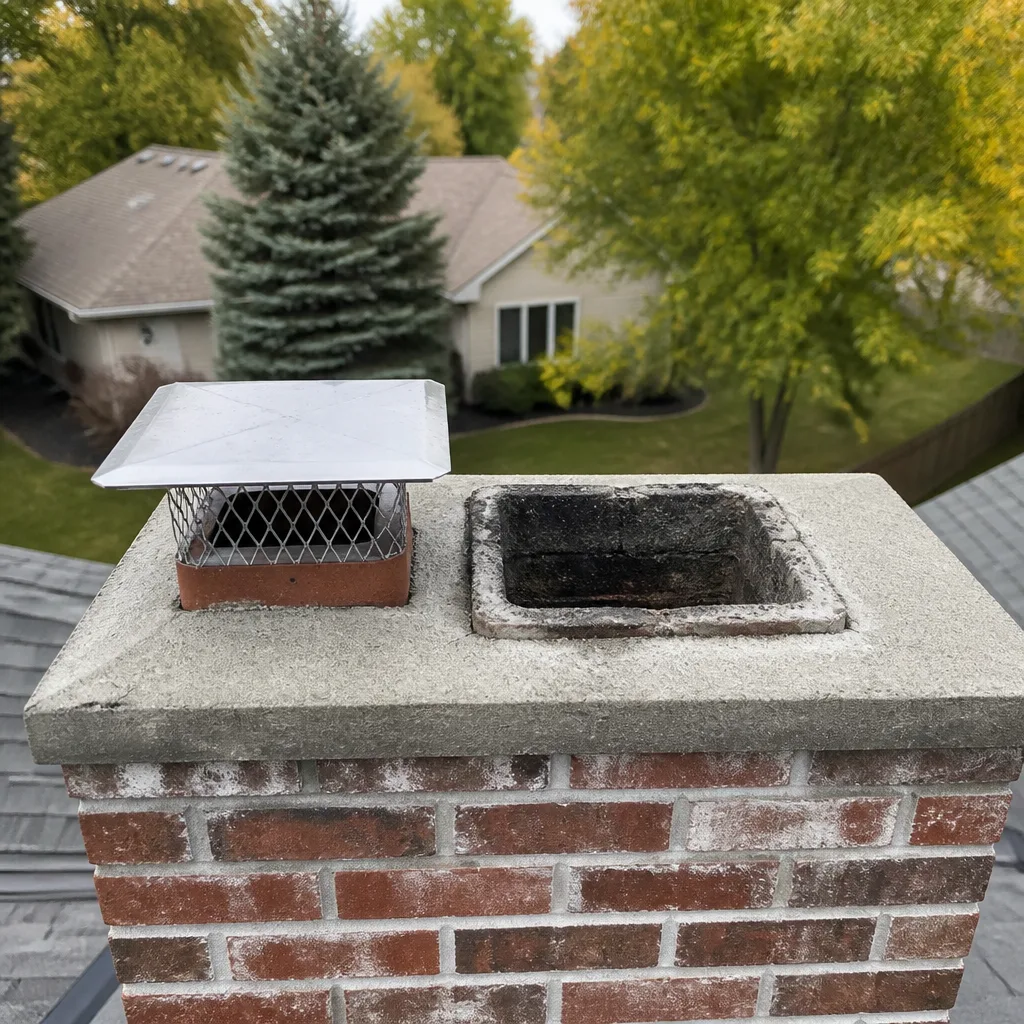
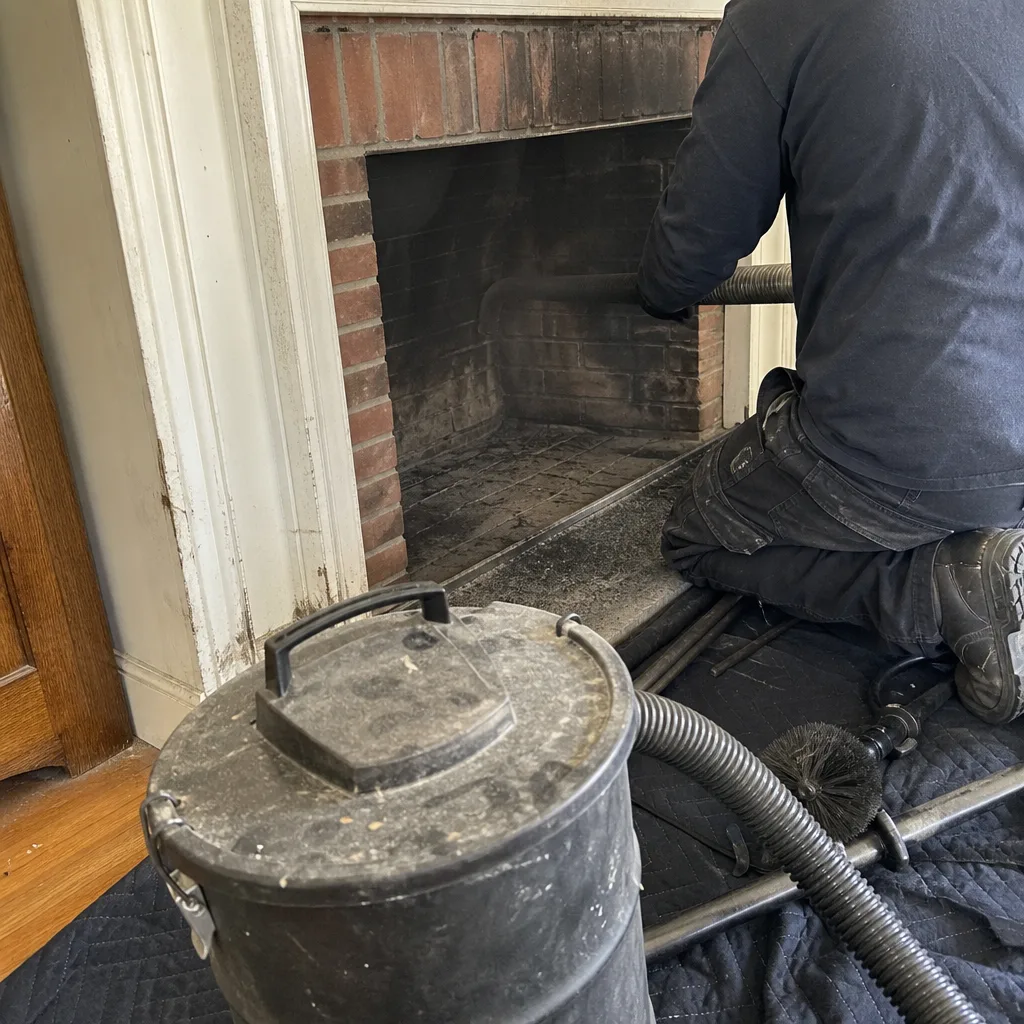 Before
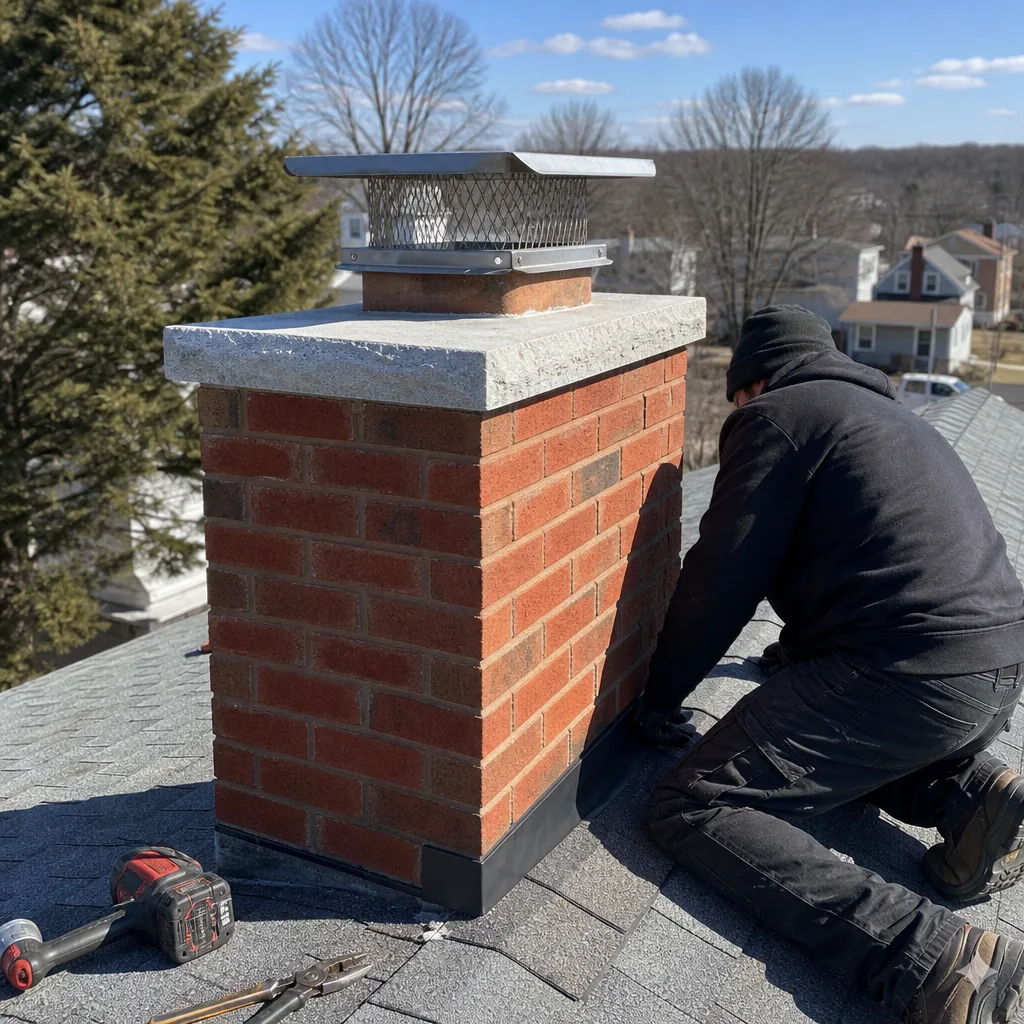 After
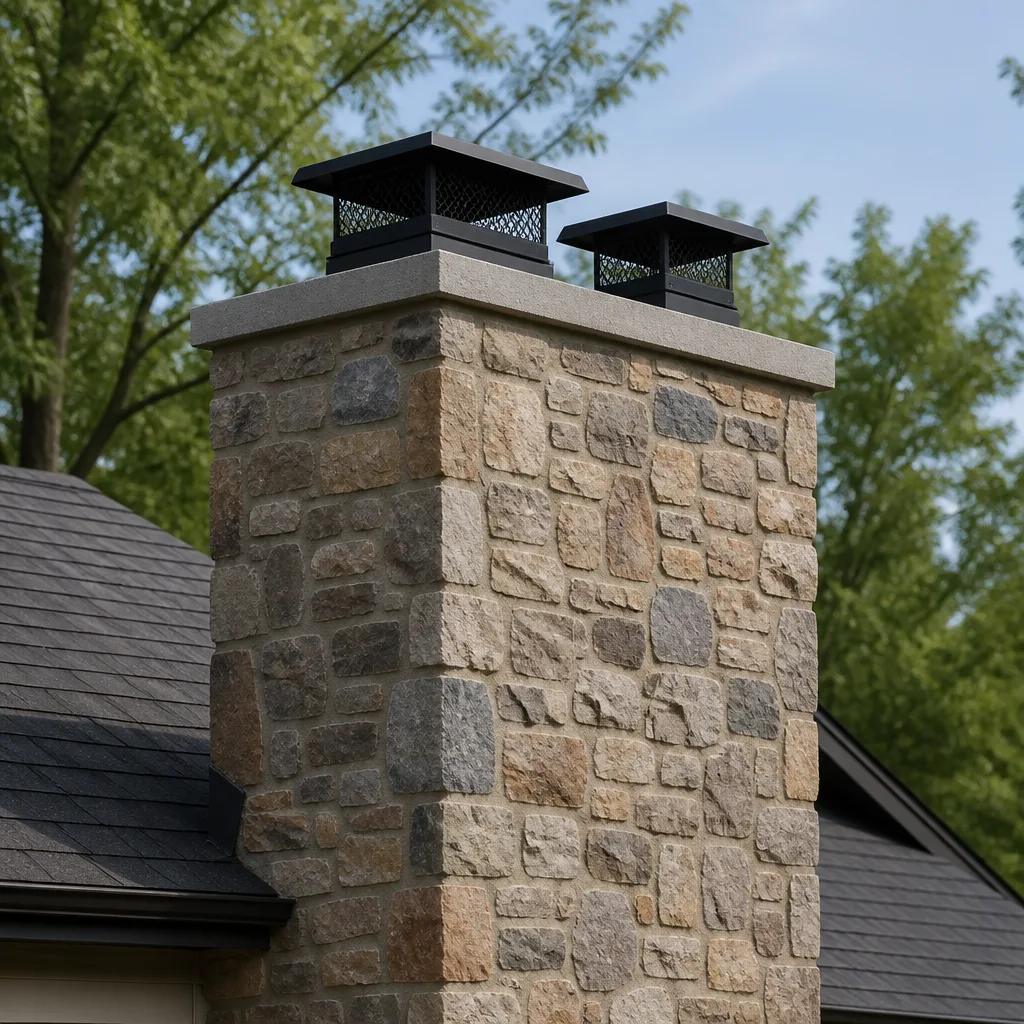
After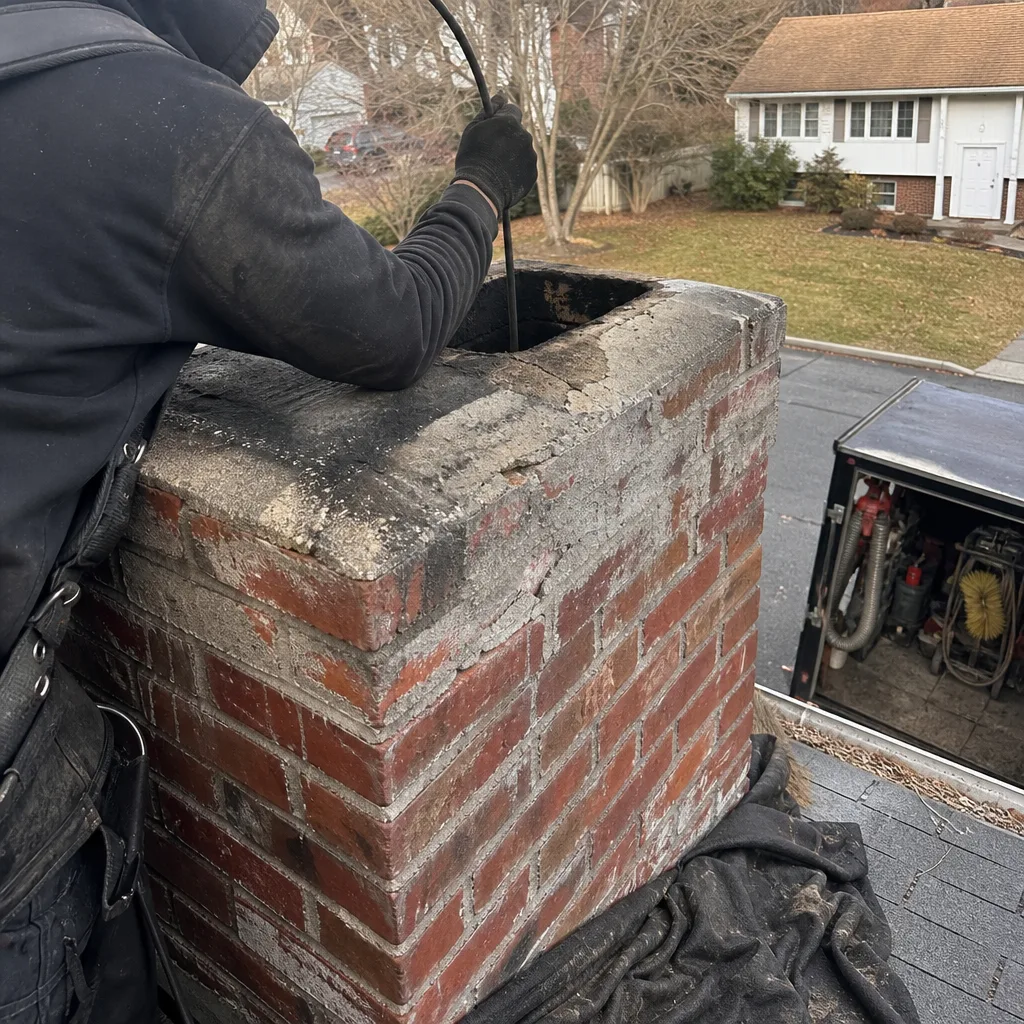 Before
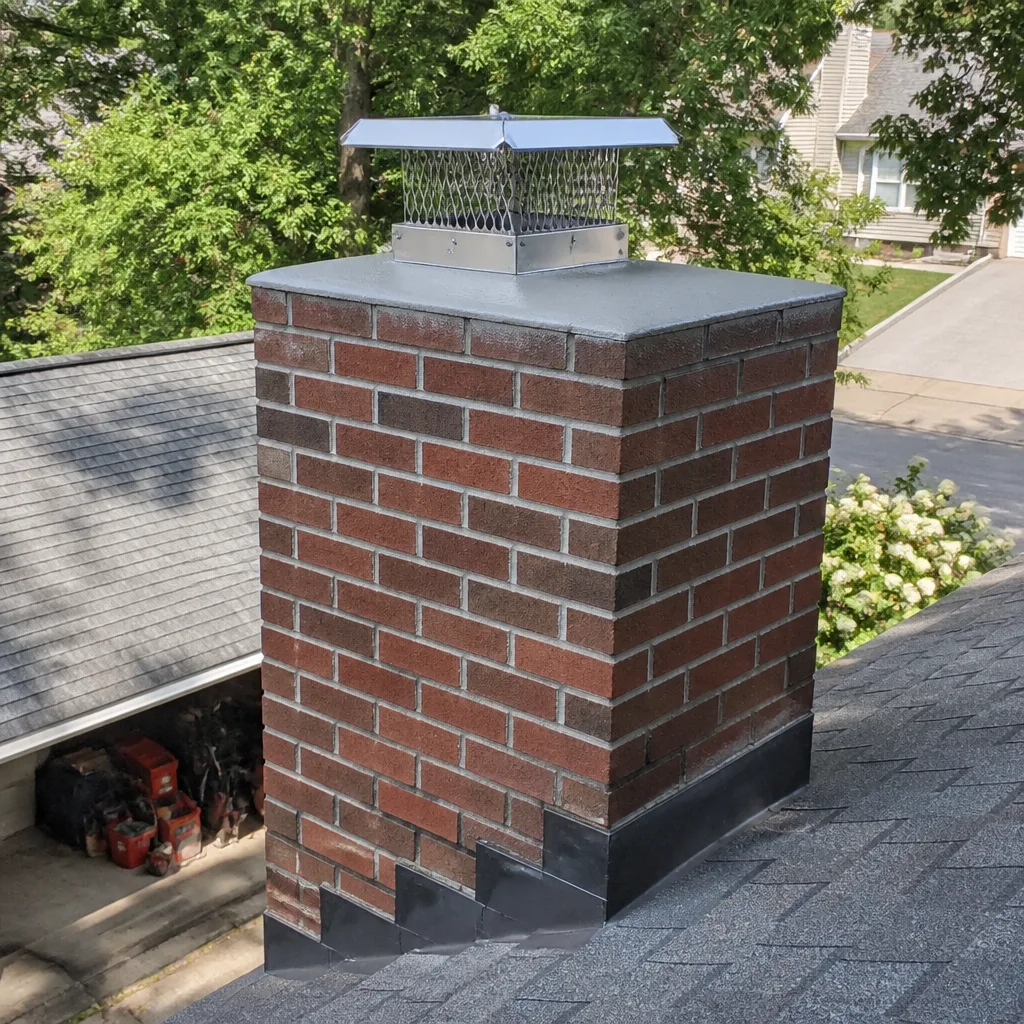 After
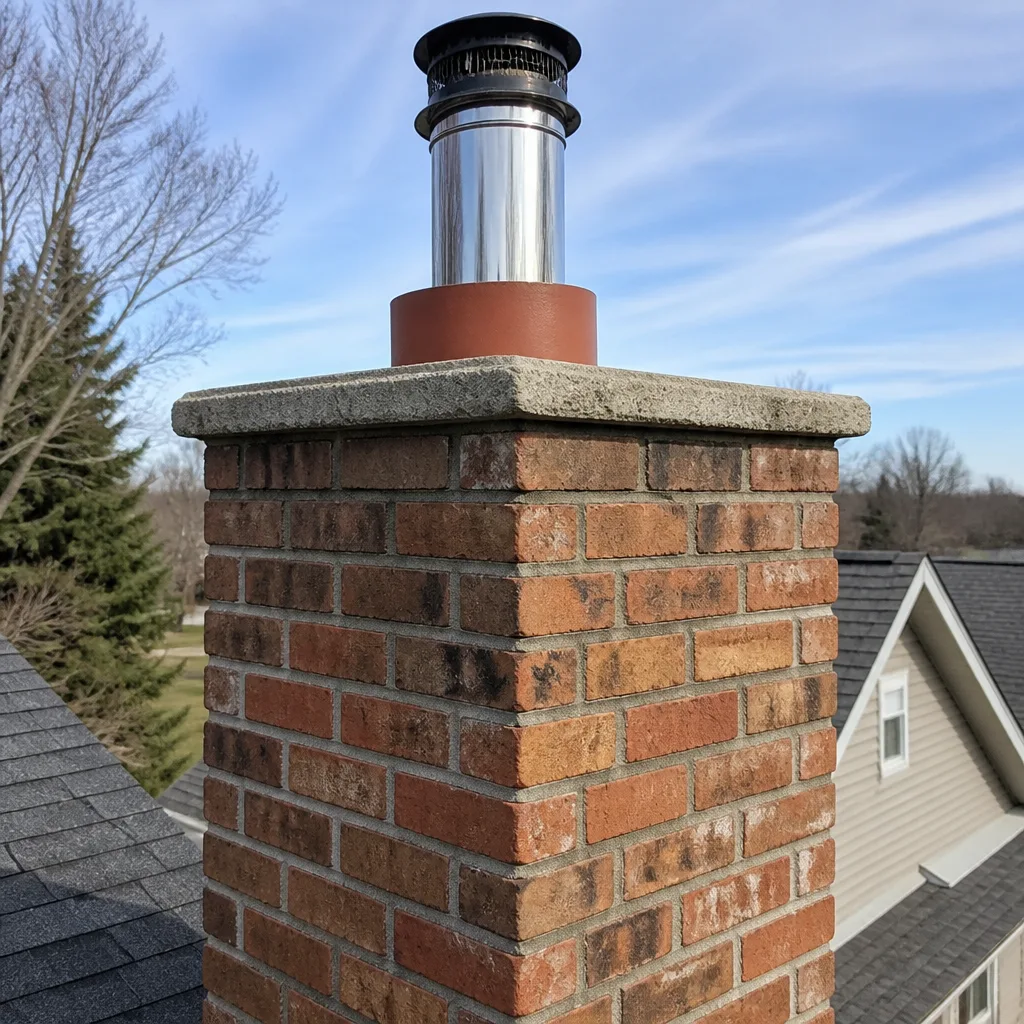
After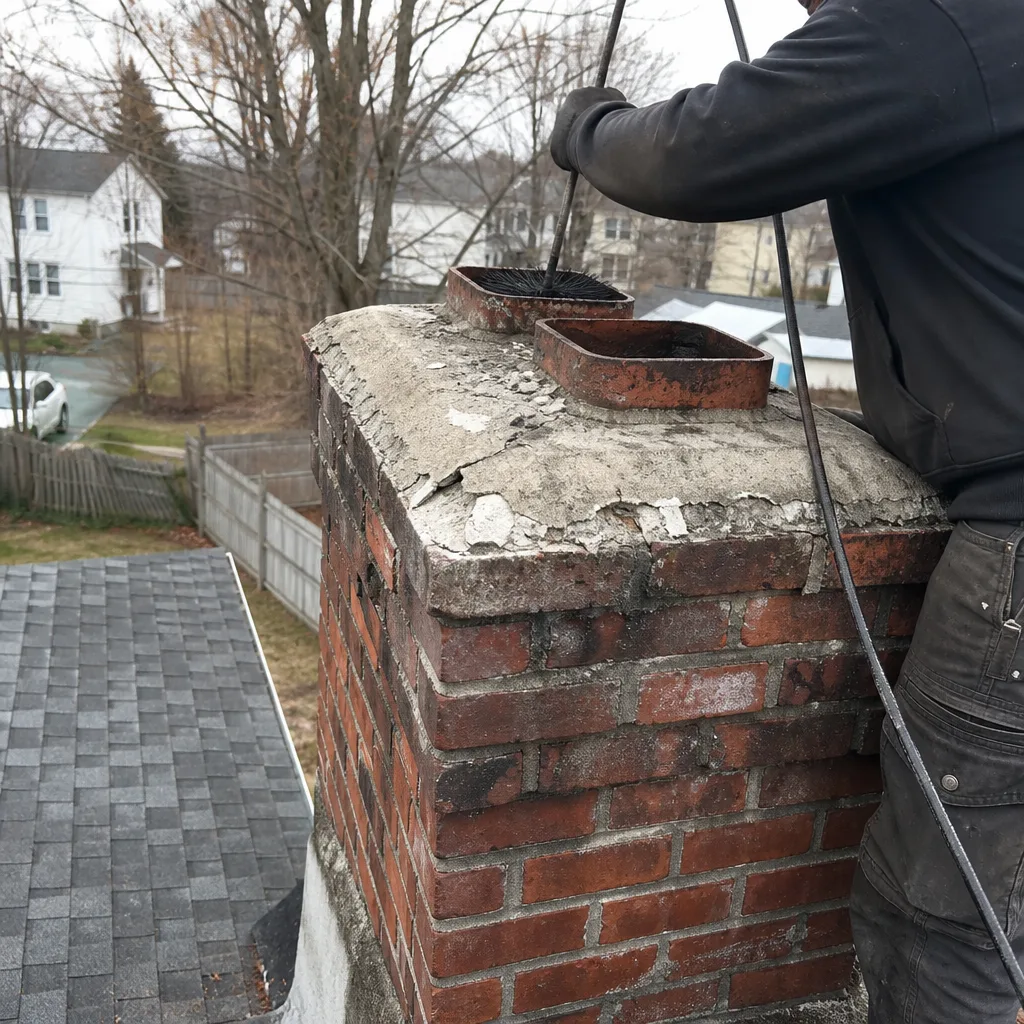 Before
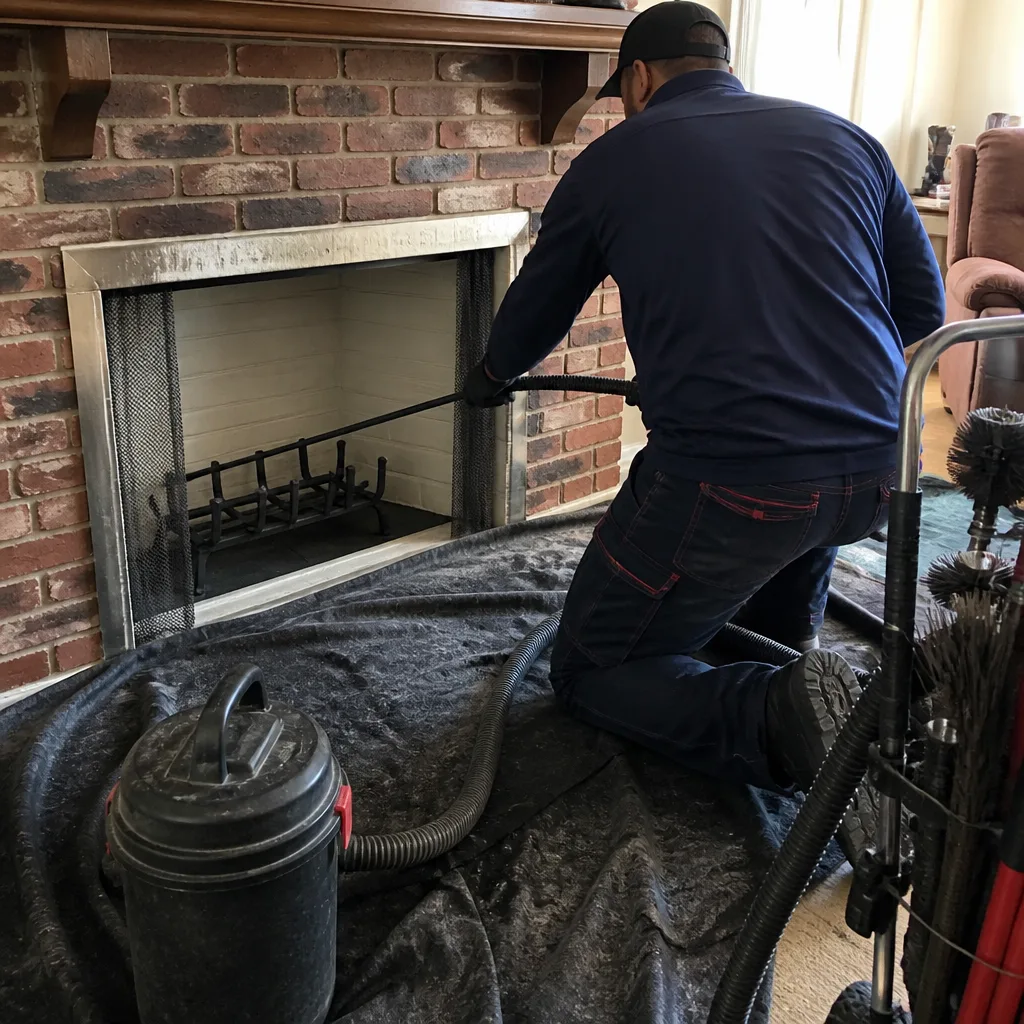 After
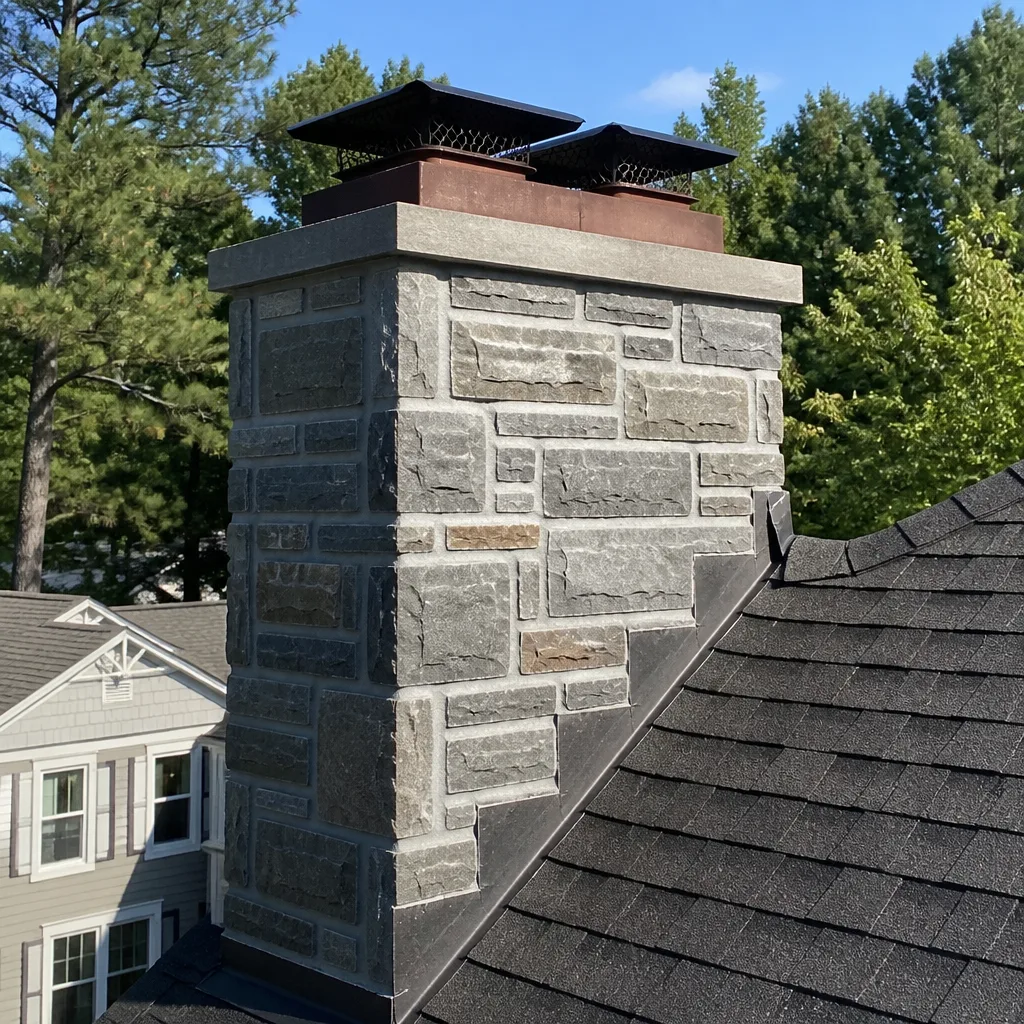
AfterSeasonal Chimney Cleaning Care for Peabody: Year-Round Homeowner’s Guide
Most Peabody homeowners book chimney cleanings in October, right when the first cold snap hits. That’s when every sweep in Essex County is booked solid, prices climb, and you’re squeezing your appointment between work and the furnace guy who’s also running late. Here’s what rarely gets said: a chimney is easiest and cheapest to clean in August, and the problems that cost thousands in January are usually visible in April. This guide maps the actual Peabody chimney calendar, from the first frost through mud season, and tells you what to do in each stretch of weather so you’re never the person calling around in a panic on the first cold night. For more guides & resources, visit our blog.
Quick Answer
Chimney care in Peabody runs on the weather, not the calendar. Book your annual sweep in late August or early September before the fall rush, check your damper and cap during mild winter stretches, inspect the crown and mortar joints in spring after the thaw, and do one simple 10-minute off-season check in July. See our Chimney Cleaning & Sweep Maintenance Checklist for Peabody Homeowners for the full routine. Most expensive chimney repairs start as small seasonal issues that sat too long.
Table of Contents
- Late Summer (August to Mid-September): The Smart Time to Book
- Fall (Late September to November): The Rush and the Real Cost of Waiting
- Early Winter (December to January): Burn Season Begins
- Mild Stretches and Infrequent Burning: Damper Management and Moisture
- Freeze-Thaw Season (January to March): What Peabody Winters Do to Masonry
- Spring (April to May): After the Last Fire
- Summer Off-Season (June to July): The 10-Minute Check That Catches Everything
- Common Mistakes to Avoid
- When to Call a Professional
- Frequently Asked Questions
- The Bottom Line
Late Summer (August to Mid-September): The Smart Time to Book
Here’s the truth nobody wants to hear in October: the best time to schedule a chimney cleaning in Peabody is before the first leaf turns. Late August and early September are the sweet spot. Your chimney has been sitting idle since spring, any creosote from last season has had months to dry and harden, and sweeps have wide-open calendars. You pick your day, you get the full appointment window without being squeezed in, and the job costs what it actually costs rather than what the market will bear during rush season.
In our experience across Peabody neighborhoods from South Peabody to West Peabody, the difference between an August sweep and an October sweep is more than just scheduling convenience. Creosote is easier to remove when it’s not fighting you, which means a more thorough brushing. You also get a proper inspection when there’s time to actually look at the flue, not just run a brush through it. And if the sweep finds something, like a cracked flue tile or a deteriorating crown, you’ve got weeks to make a decision before you actually need the fireplace. That’s a far better position than learning your chimney has a problem on November 3rd.
One more thing worth knowing: professional chimney cleaning in Peabody in August takes about the same time as it does in October, but you’ll get a longer, more careful appointment because nobody’s racing to the next job. If you’ve been putting it off for years, this is the stretch to schedule it.
Fall (Late September to November): The Rush and the Real Cost of Waiting
Once September winds down, the phone starts ringing. Every sweep in the Peabody area is booking two to three weeks out by mid-October, and the window only tightens through November. Homeowners who wait until the first cold night often hear the same thing: the soonest available appointment is three weeks away, if they’re lucky. Now you’re burning fires before the flue has been checked, or you’re holding off on using the fireplace altogether while the house gets cold.
What does waiting actually cost you? Not always money upfront, but risk. A chimney that hasn’t been inspected is a chimney that might have a bird’s nest, a cracked flue liner, or enough creosote to fuel a chimney fire. The National Fire Protection Association recommends annual inspection and cleaning as needed, and there’s a reason that recommendation doesn’t come with a weather qualifier. Waiting also costs you options: if the sweep does find something wrong, the repair window is compressed. You’re making decisions under pressure in November instead of comfortably in September.
If you find yourself in the fall rush and haven’t booked yet, here’s what to do: call anyway. A good local sweep will tell you honestly how far out they’re running and whether it’s safe to burn in the meantime. We’d rather give you straight guidance over the phone than have you guessing. And book early for next year while you’re thinking about it, because the cycle repeats every single autumn.
Early Winter (December to January): Burn Season Begins
This is when the fireplace earns its keep in Peabody. The house is closed up, the furnace is working, and you want a fire on the cold nights. But burn season is also when we see the most preventable damage, because a fireplace that’s used heavily without a clean flue is working against itself.
During December and January, pay attention to how the fire behaves. A fire that smolders rather than burns cleanly creates more creosote, and that creosote is building up in the flue with every log. First-degree creosote is a brush job. Third-degree is a glaze - catch it early. If you notice smoke backing into the room, a damp, smoky smell even when the fire is out, or black flakes falling into the firebox, your flue is telling you something. Stop burning and get it looked at.
For homes that burn regularly through the winter, here’s what we recommend:
- Burn seasoned hardwood only. Green or wet wood smolders and coats the flue faster. Peabody gets humid summers, and wood stored uncovered through July and August picks up moisture. Keep your woodpile covered and raised off the ground.
- Keep the fire hot enough to burn clean. A lazy, choked-down fire produces more creosote. A healthy flame with good airflow leaves less behind.
- Watch for anything unusual. Crackling sounds that aren’t from the fire, a chemical or acrid smell, or smoke where smoke shouldn’t be. These are warnings, not quirks.
- Don’t burn paper, cardboard, or treated lumber. They create fast, hot fires that can stress the flue and add residue that doesn’t belong there.
If you notice any of these signs, call a sweep. The cost of an inspection is a fraction of what a chimney fire or liner repair runs.
Mild Stretches and Infrequent Burning: Damper Management and Moisture
Peabody winters have stretches where the temperature hovers in the 40s and the fireplace sits unused for a week or more. These mild stretches create a specific problem most homeowners never think about: a cold flue pulls moisture from the air, and a partially open damper lets that moisture drift down into the firebox and rust parts you can’t see.
Here’s what actually happens. When you’re not burning, the chimney is just a vertical shaft connecting your living room to the cold New England air. Warm, moist air from your home rises into that shaft naturally, and when it hits the cold flue walls, it condenses. That condensation mixes with any creosote residue and creates a mild acid that eats at masonry joints and metal dampers. Your flue doesn’t care how the fire looks. It cares how it breathes.
During mild stretches, do this:
- Close the damper fully when the fireplace is completely cold and will stay unused for more than a day. This blocks the warm moist air from rising into the flue.
- But check that it’s not rusted in place. Dampers that stick open or closed are a sign of moisture already doing damage.
- If you smell a damp, musty odor near the fireplace, that’s moisture in the flue. It’s not normal, and it’s worth a look.
- Consider a chimney cap if you don’t have one. Rain and snow entering the flue directly makes every moisture problem worse. A proper cap is one of the cheapest protective upgrades you can make.
Once a year, burn or no burn. Chimneys break in the off-season too. The mild stretches are where that breaking starts if water is getting in.
Freeze-Thaw Season (January to March): What Peabody Winters Do to Masonry
Peabody sits in that particular New England weather band where the temperature crosses the freezing line constantly. It freezes at night, thaws in the afternoon sun, and freezes again overnight. That cycle is brutal on masonry, and your chimney is the most exposed masonry on the house.
Here’s the mechanism. Water seeps into tiny cracks in the mortar joints or the crown, the top surface of the chimney that sheds water away from the flue. When that water freezes, it expands. The expansion widens the crack. More water gets in, more freezing happens, and over a few seasons, hairline cracks become structural gaps. Mortar joints loosen. The crown cracks through. The freeze-thaw cycle in a typical Peabody winter is doing real, measurable work on your chimney, even if you never notice it from the ground.
The frustrating part is that none of this announces itself. You don’t hear it. You don’t feel it. The first sign is often water staining on the ceiling near the chimney, or a musty smell in the attic, or crumbling mortar you spot when you’re up on a ladder cleaning gutters. By then, the damage has been compounding for years.
What early detection saves is substantial. A repointed mortar joint costs a modest amount. A rebuilt crown costs a few hundred. A full chimney rebuild or a damaged flue liner can run into the thousands, and the liner situation gets worse the longer water sits in the flue. If you haven’t had the masonry looked at in a while, chimney repair in Peabody is most affordable when the cracks are small.
Spring (April to May): After the Last Fire
When the last fire of the season goes out, most homeowners close the damper and forget the fireplace exists until fall. That’s a mistake, and it costs money. Spring is when you should do the most important 20-minute inspection of the year.
Here’s what to check in April or May, after the last freeze has passed:
- Look at the crown from the ground. The crown is the concrete or stone slab on top of the chimney. If you can see cracks from the ground, they’re already serious. A cracked crown lets water directly into the masonry below it.
- Look for spalling brick. Spalling is when brick faces flake off or crumble. It’s a sign water has been soaking the brick, and the freeze-thaw cycle has been popping the surface off. In Peabody, south and west-facing chimney faces take the most sun and thaw the fastest, so they spall first.
- Check the flashing. Where the chimney meets the roof, there’s metal flashing. If it’s loose, rusted, or pulling away from the masonry, water is getting under it. This is one of the most common sources of ceiling stains we see.
- Look inside the firebox. Rust on the damper, water staining on the firebrick, or debris that wasn’t there in December all tell you water has been getting in.
- Clear your ash and close the damper. A buildup of wet ash holds moisture and rots the metal grate over time. Clean it out and close the damper tight when the fireplace is fully cold.
If any of these checks turn up something, spring is the time to fix it. The weather is mild, the work can be done without fighting the elements, and you’ll have months before you need the fireplace again. A closed damper isn’t enough to protect a cold flue down there. Water always finds a way in unless the masonry above is solid.
Summer Off-Season (June to July): The 10-Minute Check That Catches Everything
This is the check most people skip, and it’s the one that catches the majority of issues before they become expensive. It takes ten minutes, requires no tools beyond a flashlight and your own senses, and it’s the best insurance you can get for a chimney in Peabody.
Pick a dry day in June or July and do this:
- Stand in the yard and look at the full height of the chimney. Is it plumb? Cracks, leaning, or missing brick are visible from the ground if you actually look. Walk around the house and look from different angles.
- Look at the cap. Is it still there? A missing or damaged cap is an open invitation for rain, snow, and every squirrel in Essex County. Peabody has a healthy squirrel population, and they love unfilled flues.
- Open the damper and look up with a flashlight. You’re looking for anything that doesn’t belong: nests, debris, daylight coming through where it shouldn’t, heavy creosote buildup that looks shiny or glazed.
- Smell the firebox. A strong creosote smell in summer means there’s a lot of buildup and the humidity is activating it. A damp, musty smell means water is getting in somewhere.
- Run the back of your hand along the walls near the chimney on each floor. Dampness, cold spots, or staining mean water is traveling down through the masonry and into your walls. Interior stains are usually far from the actual entry point.
That’s the whole check. Ten minutes, once a summer. If anything looks off, call a sweep before the season turns. Fireplace services in Peabody are easy to schedule in July, and you’ll be ahead of everyone who doesn’t think about their chimney until the first cold morning.
Common Mistakes to Avoid
- Waiting until October to book. This is the single most common mistake, and it’s the one that costs time, money, and sometimes safety. Book in August and you’ll never scramble in November.
- Assuming no fires means no problems. A chimney that never gets used still gets rained on, still goes through freeze-thaw, and still needs an occasional look. Once a year, burn or no burn.
- Closing the damper in spring and never looking again. A closed damper stops air movement but it doesn’t stop water. The masonry above it does that, and that masonry is sitting out in the weather year-round.
- Burning whatever wood is available. Green wood, soft wood, and especially treated or painted lumber create creosote fast. In a humid Peabody summer, even good firewood can take on moisture if it’s not covered.
- Ignoring small cracks because they’re small. A hairline crack in a crown is how the freeze-thaw cycle gets started. That crack becomes a wider crack by March, and a broken edge by the following winter.
- DIY-ing a flue inspection with a phone camera taped to a stick. You’ll see the first five feet of the flue and miss everything above the damper. The camera footage and a plain-English verdict - every time, no exceptions - is why professional inspections catch what homeowner checks miss.
- Assuming your chimney was fine last year means it’s fine now. One hard winter of freeze-thaw can do a season’s worth of damage. The cap that was solid in March can be dislodged by January storms.
When to Call a Professional
Some things you can watch for yourself, and some things need a trained eye and a camera. Call a professional if you see water staining on ceilings or walls near the chimney, if you smell dampness or smoke when the fireplace is cold, if the damper is rusted or stuck, if you see cracked or spalling brick from the ground, or if it’s simply been more than a year since anyone looked at the flue. Peabody’s freeze-thaw cycles mean masonry issues compound fast once they start. We’d rather catch a cracked crown in August than a failed liner in January. Top Hat Chimney offers free estimates in Peabody - call (978) 637-8560 and we’ll tell you straight whether it needs attention.
Frequently Asked Questions
Once a year, regardless of how often you burn. The National Fire Protection Association recommends annual inspection, and in Peabody’s climate, the freeze-thaw cycle and summer humidity both work on your masonry even when the fireplace never gets used. If you burn regularly through the winter, the creosote buildup justifies the annual cleaning on its own. Call (978) 637-8560 to schedule - estimates are free.
Late August or early September, before the fall rush starts. You’ll get better scheduling, a more thorough job, and lower pricing than the October scramble. If you’ve missed that window, call anyway - we’ll tell you honestly how far out we’re running and whether it looks safe to burn.
A standard chimney sweep and inspection in the Peabody area typically runs between $180 and $340 depending on the condition of the flue, the height of the chimney, and whether it’s a straightforward cleaning or requires extra work like a heavy creosote removal. For a deeper dive, see our Chimney Cleaning Cost Breakdown: The Peabody Homeowner’s Reference for 2026. A Level 1 inspection is usually included with the sweep. Call (978) 637-8560 for an exact quote - pricing is upfront and the number doesn’t change at the door.
Smoke backing into the room, a strong creosote smell even when the fire is out, water staining on ceilings near the chimney, rusted or stuck dampers, crumbling brick you can see from the ground, and any sound of animals in the flue. If you notice any of these, stop burning and get an inspection scheduled.
It depends on what the flue looks like. If you haven’t burned in a year or more and haven’t had the chimney inspected, the safe answer is no - have someone look first. A buildup of creosote from previous seasons doesn’t disappear over the summer, and it’s the primary fuel for chimney fires. If you’ve had an inspection recently and nothing came up, a short check of the firebox and a look up the flue with a flashlight is usually enough to burn conservatively.
Yes. A cap keeps rain, snow, leaves, and every squirrel in Essex County out of your flue. It’s one of the least expensive protective measures available, and it pays for itself the first New England winter it survives. If your cap is missing or damaged, that’s a simple fix worth doing before the next rain.
The Bottom Line
Peabody’s chimney calendar runs from the first cold snap through mud season, not January to December. Book your sweep in August, watch the damper and cap during mild winter stretches, inspect the masonry after the thaw, and do the ten-minute summer check. Most expensive repairs start small and grow through seasons of neglect. A local sweep who knows Peabody’s weather, has been serving these communities since 1999, and stands behind the work with a 90-Day Done Right Promise is the difference between catching a crack early and paying for a rebuild later. Call (978) 637-8560 when you’re ready - a live person answers, day or night.
Written by Wendell Pike, Owner at Top Hat Chimney, serving Peabody since 1999.