
Last updated September 10, 2026
Level 1 sweep and inspection to the NFPA 211 annual standard - flue, crown, cap, and flashing checked and photographed
Chimney sweep logs do not sweep chimneys. They loosen some creosote - which then falls where a brush and vacuum still have to collect it.
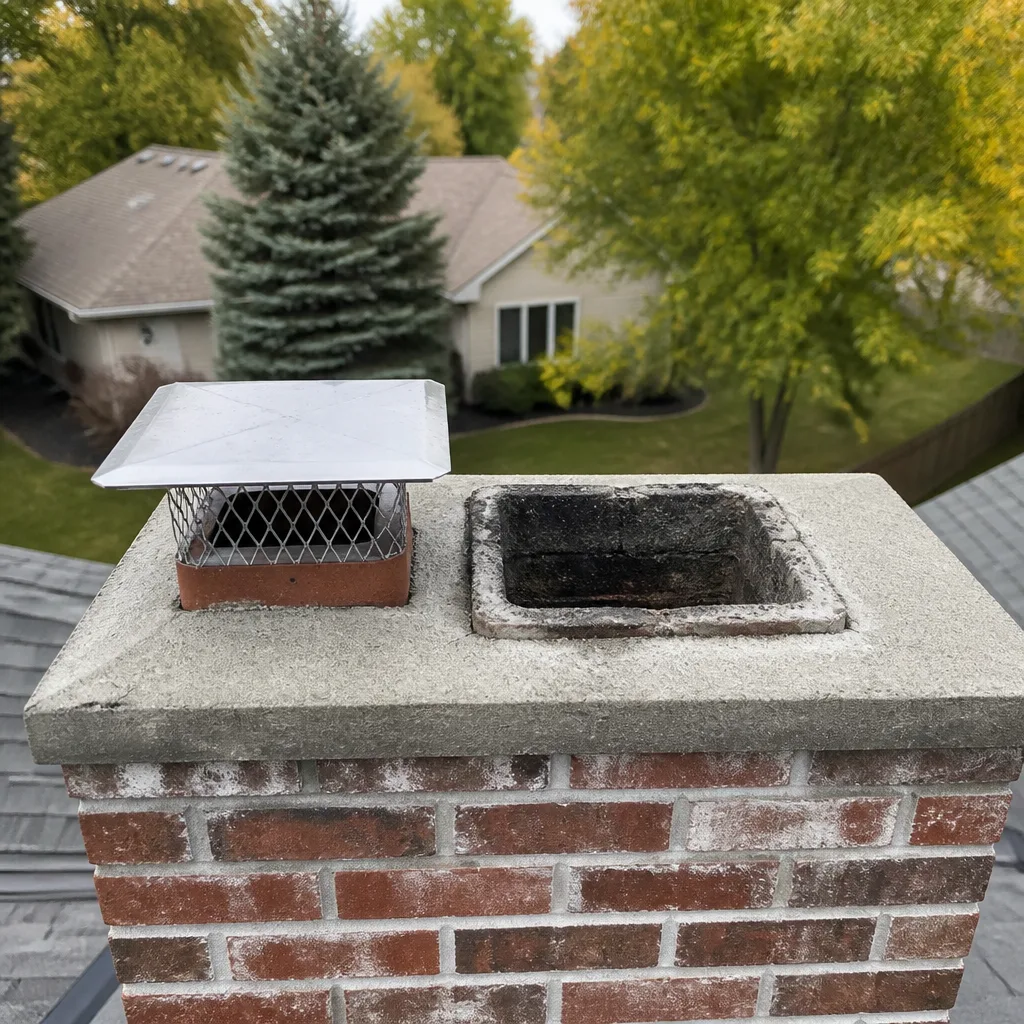
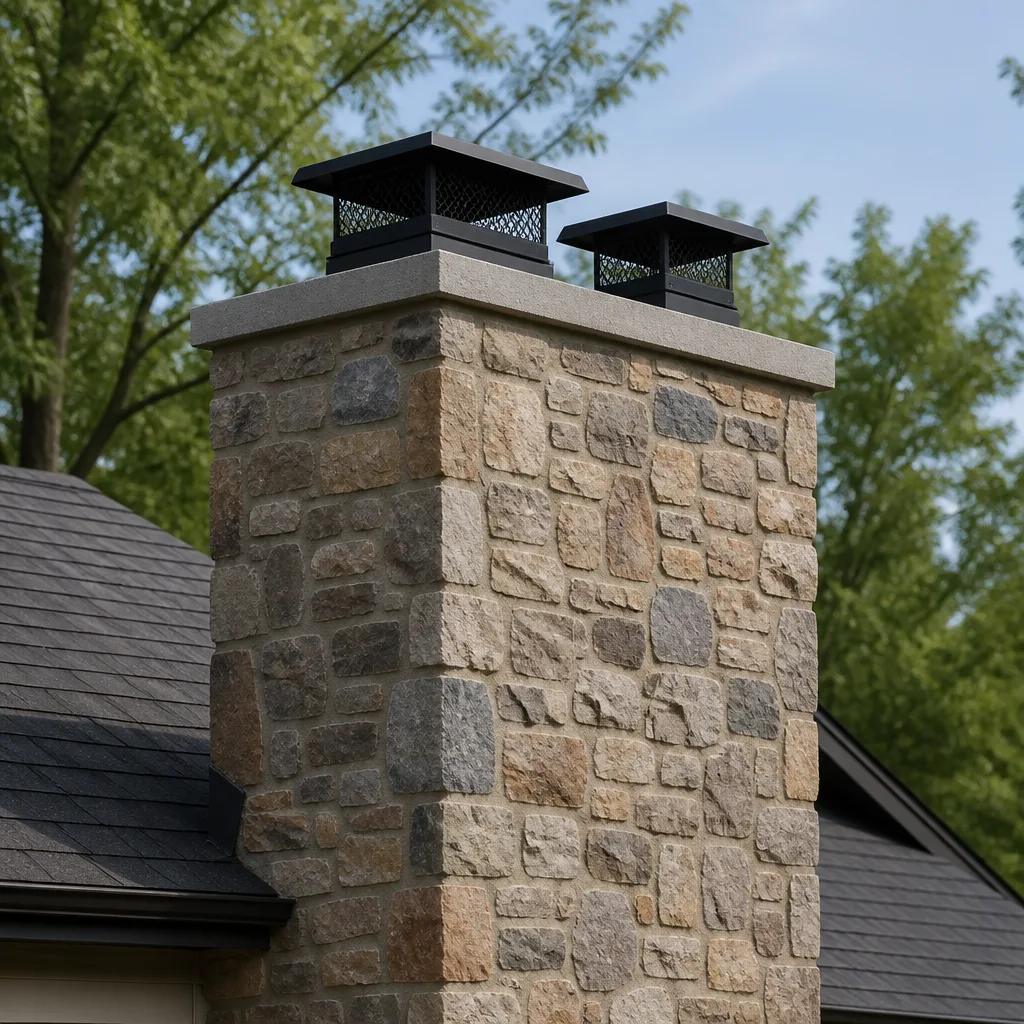
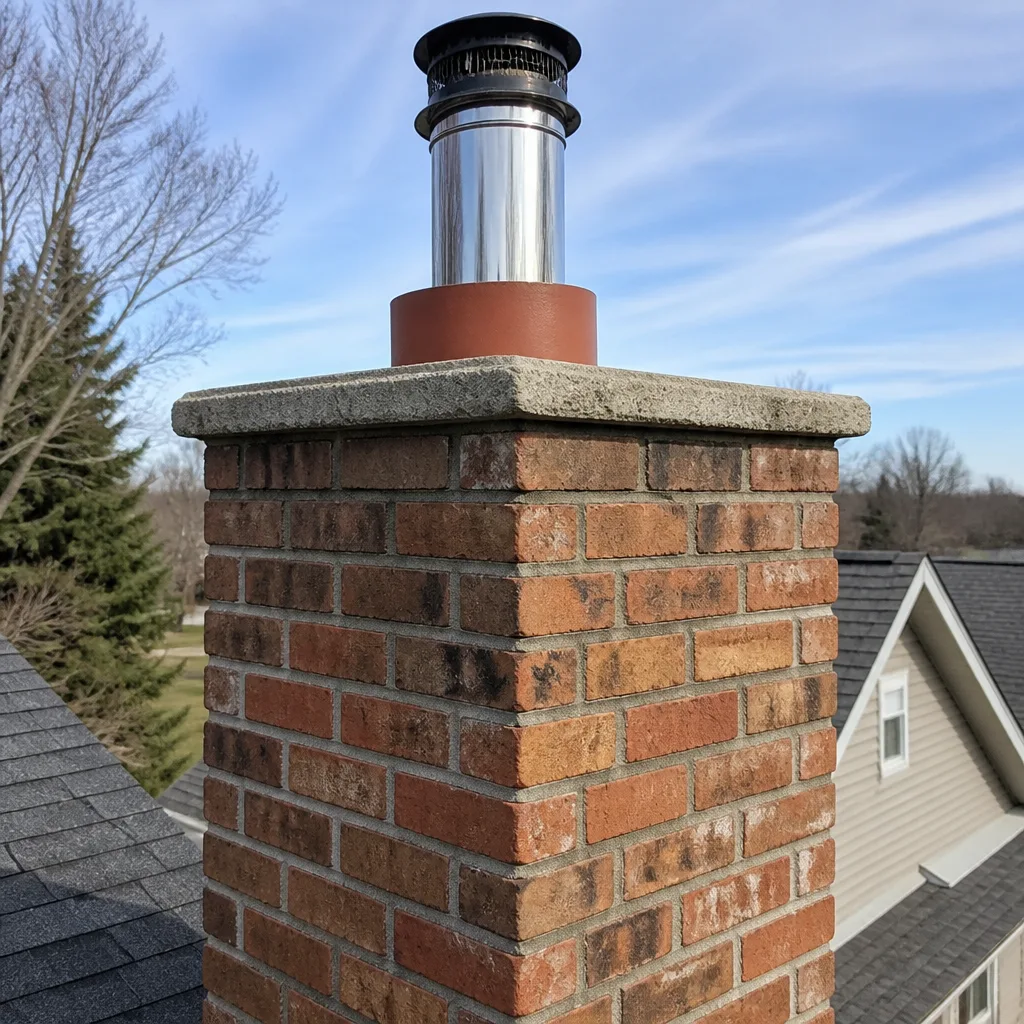
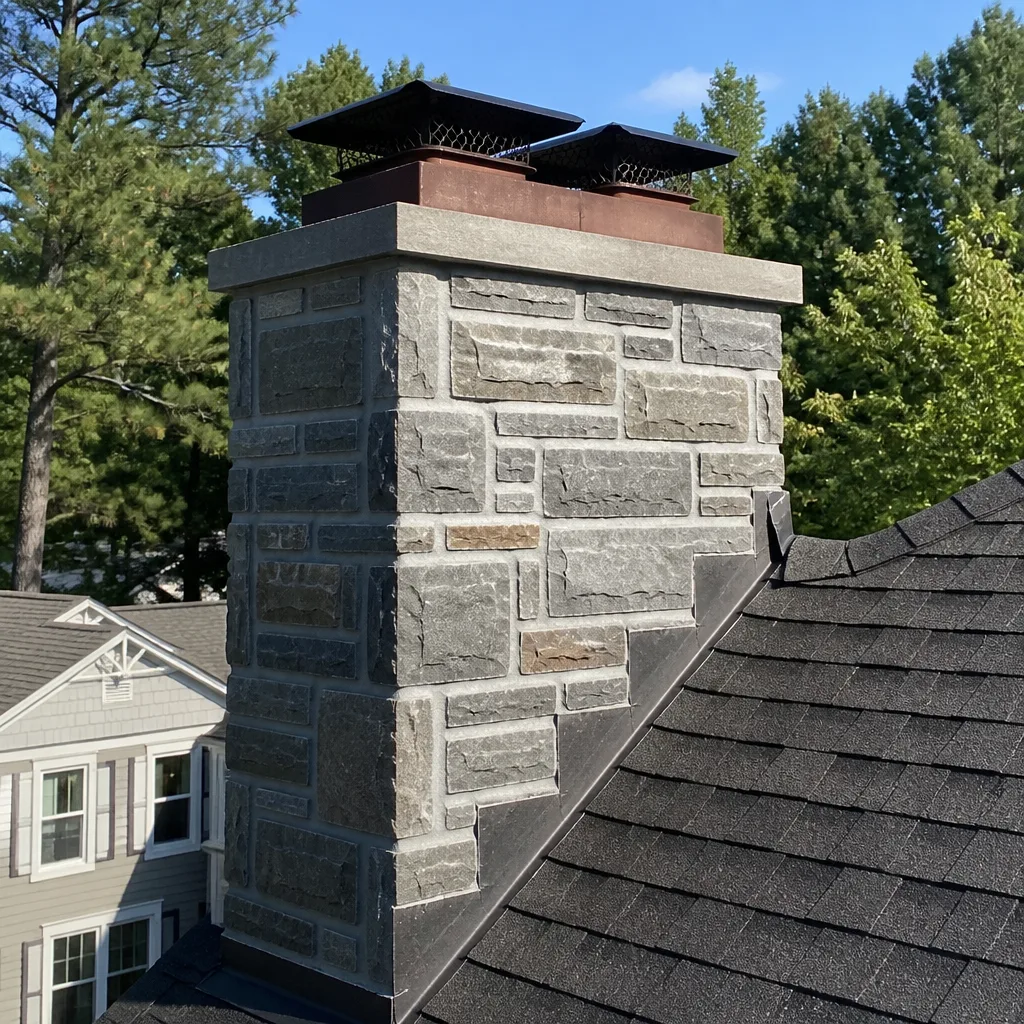
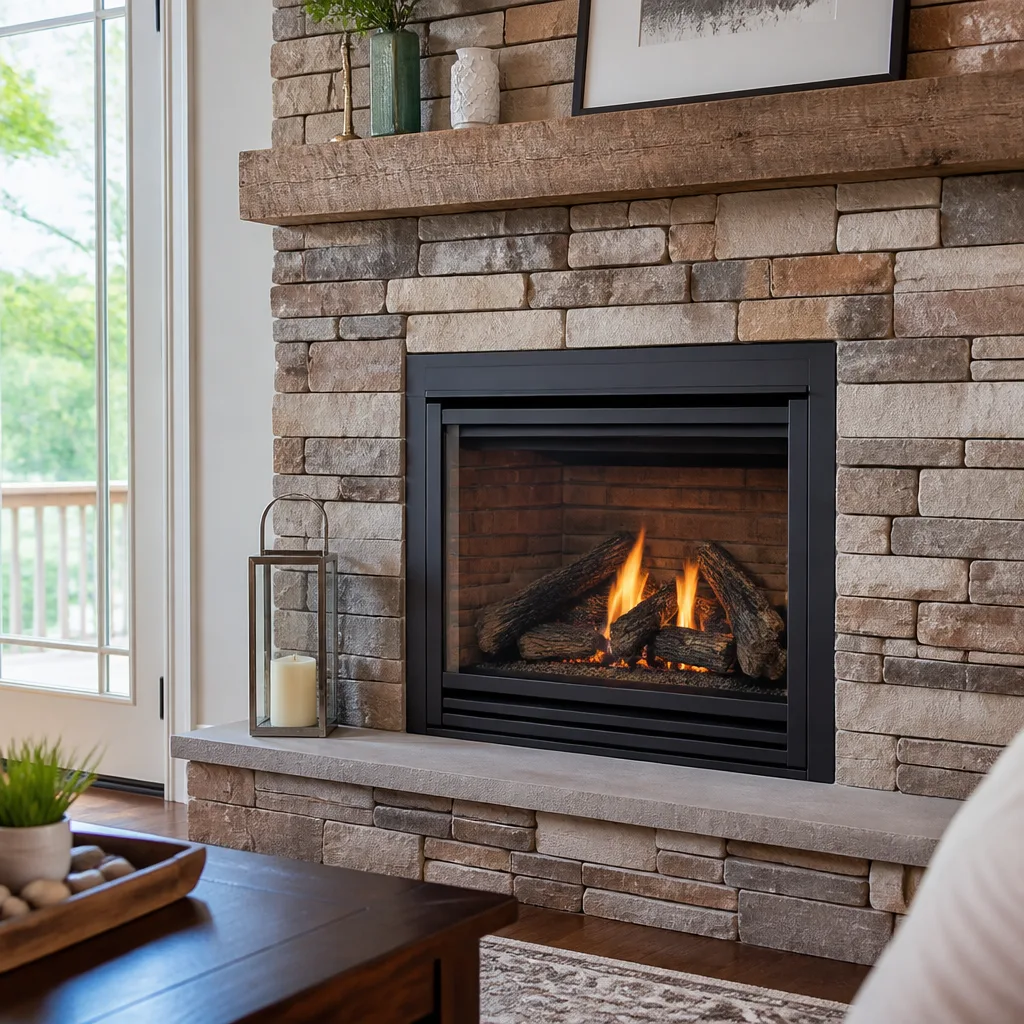
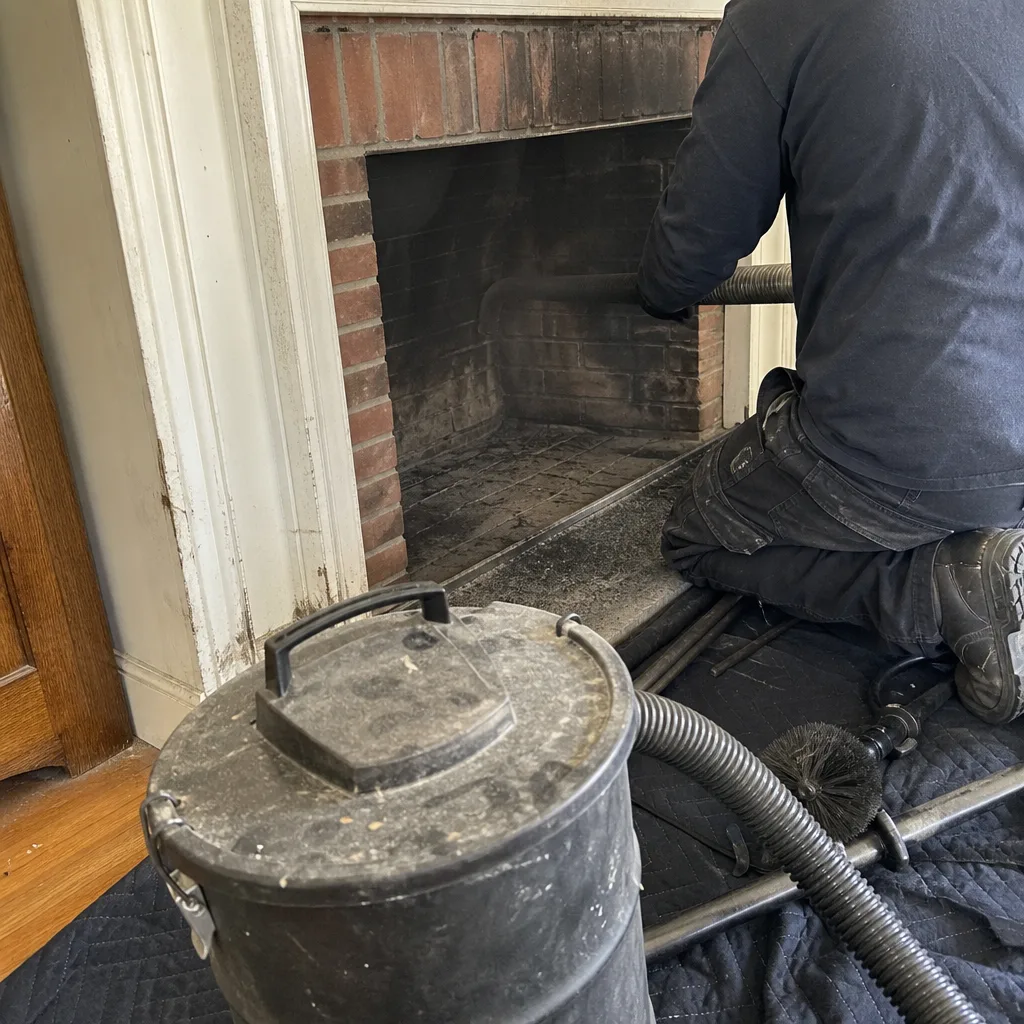 Before
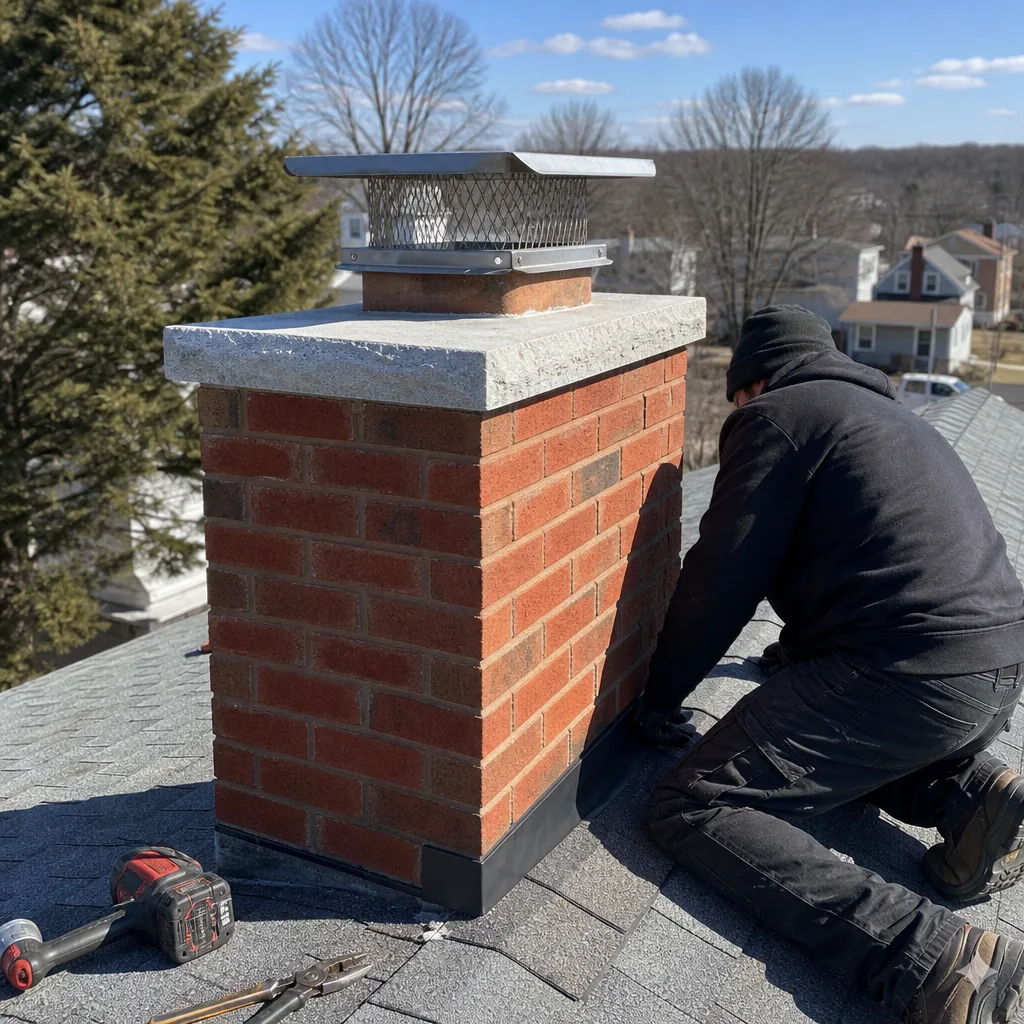 After
After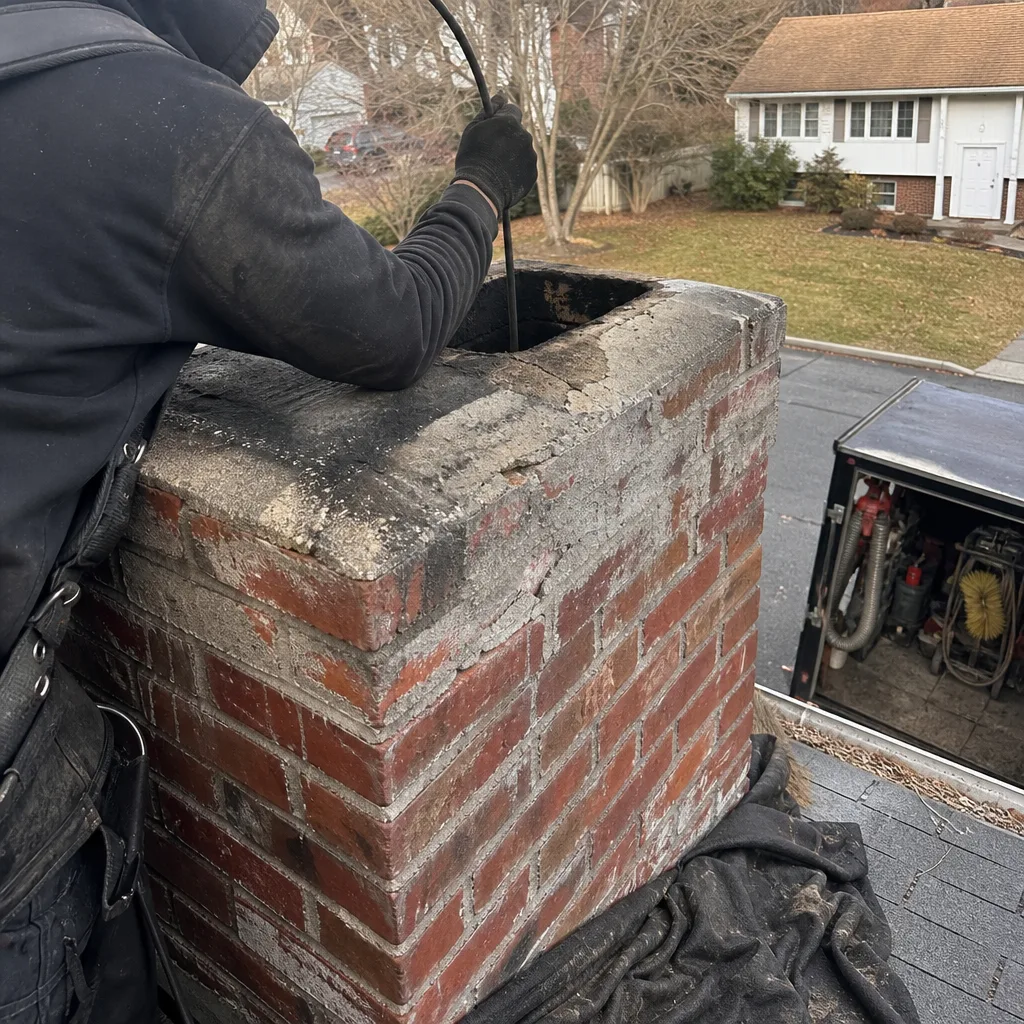 Before
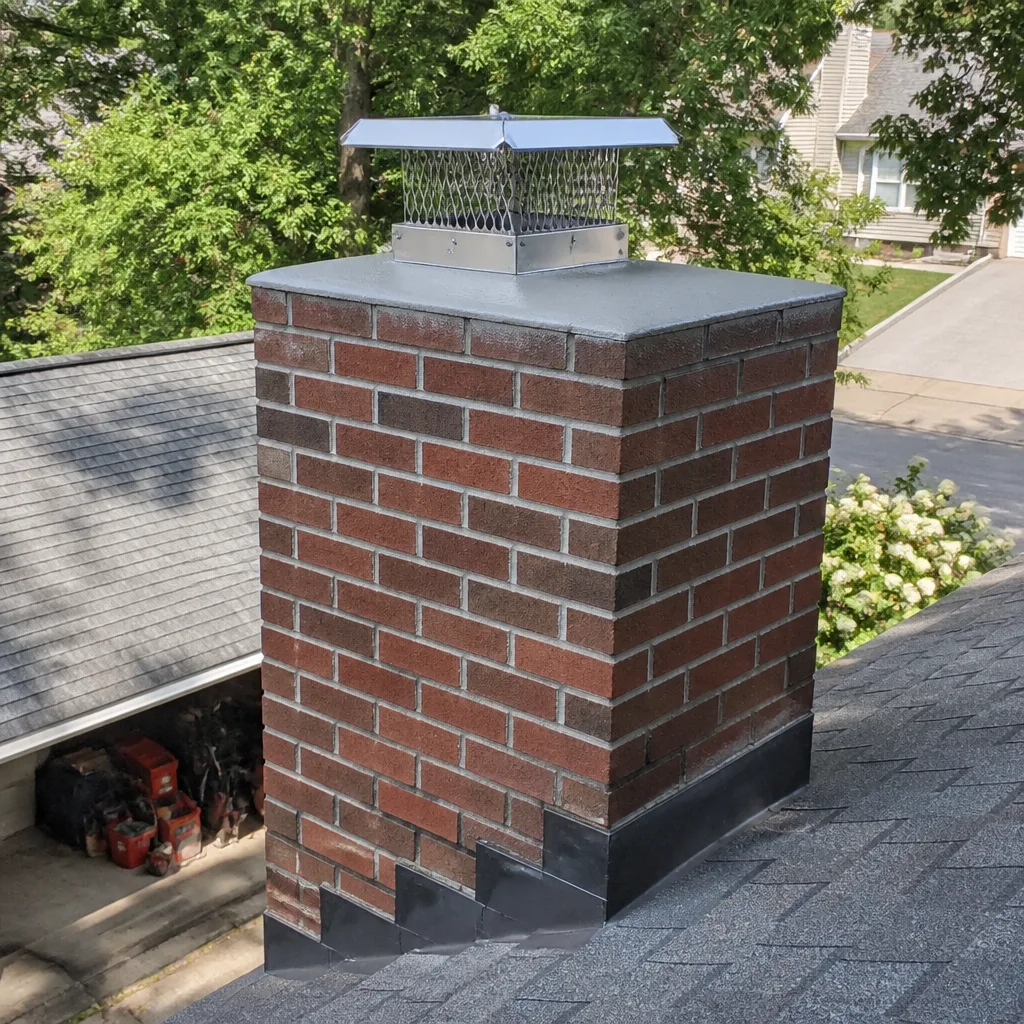 After
After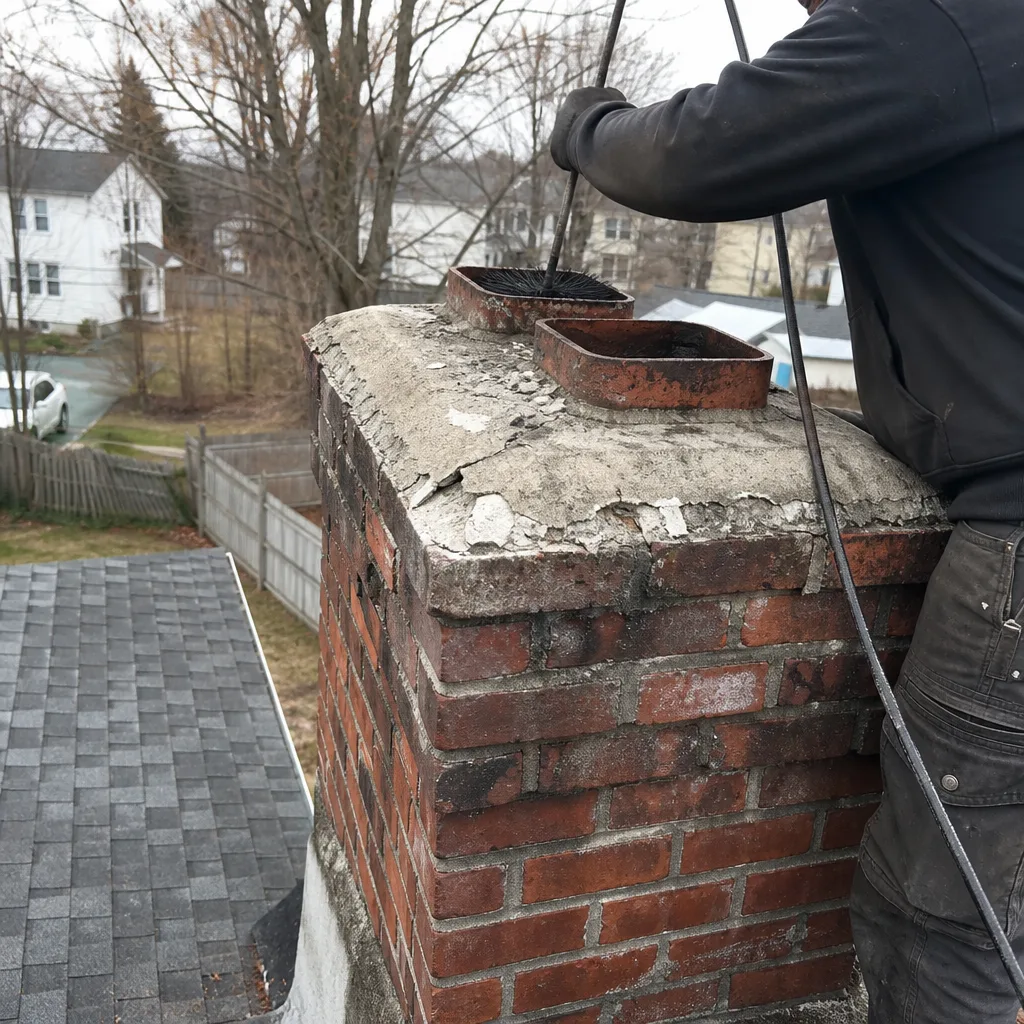 Before
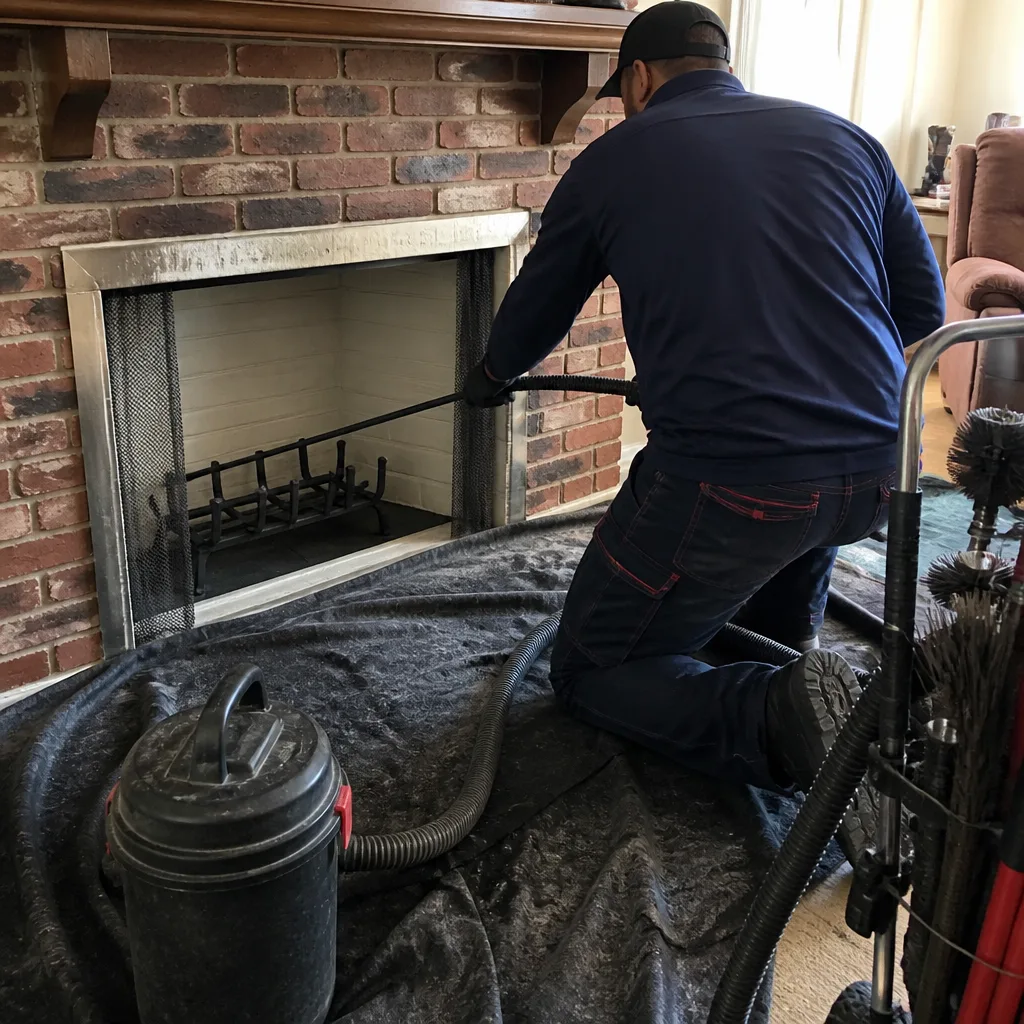 After
AfterDIY vs Professional Chimney Cleaning: The Peabody Homeowner’s Decision Guide
You can buy chimney cleaning brushes at Home Depot and watch a YouTube video and move real creosote out of a flue. You just won’t know what you missed, and what you missed is the part that matters. That’s the uncomfortable truth behind the DIY chimney cleaning question, and it’s one we’ve watched play out in Peabody living rooms for more than 29 years. This guide walks through what a homeowner can honestly do themselves, what they can’t, and how to tell the difference before the first cold night of burning season.
Quick Answer
Most Peabody homeowners can safely handle basic firebox cleanup and between-season visual checks, but the actual flue cleaning and inspection should be done by a trained sweep with professional equipment. The reason isn’t that the brushing is hard. It’s that creosote removal is only half the job, and the other half, spotting stage-two glazed creosote, hairline liner cracks, and early draft problems, requires training and lighting a homeowner doesn’t have. A professional chimney cleaning in Peabody typically costs $189 to $350 depending on flue condition and accessibility.
Table of Contents
- What a Peabody Homeowner Can Honestly Do Themselves
- What You Physically Cannot See from the Bottom of the Flue
- The Creosote Problem: Three Stages, Three Different Jobs
- The Real Cost of DIY: What You Save and What You Risk
- The Massachusetts Insurance and Liability Question
- The Honest Middle Path: A Peabody Homeowner’s Maintenance Calendar
- What a Professional Sweep Sees That You Don’t
- Common Mistakes to Avoid
- When to Call a Professional
- Frequently Asked Questions
- The Bottom Line
What a Peabody Homeowner Can Honestly Do Themselves
Let’s start with the part most chimney companies won’t tell you: some of this work is genuinely fine to do yourself. We’ve told plenty of Peabody customers that they don’t need us for certain tasks. Here’s the honest list of what a homeowner can handle without creating risk.
Firebox cleanup. The firebox is the open area where the fire burns, and it’s fully visible from your living room. After the ashes have cooled for 48 hours, you can scoop them out, vacuum them up with a shop vac fitted with a drywall dust bag, and wipe down the firebrick with a dry cloth. This is safe and routine.
Exterior visual checks. You can walk around the chimney base and look up from the roof edge (stay on the ground) for obvious signs of trouble: crumbling mortar joints, a tilting chimney cap, staining on the interior walls near the fireplace, or white efflorescence on the brick. These are all things you can spot without climbing anything.
Chimney cleaning logs. These logs, the ones you burn in the fireplace and they claim to break down creosote, have a limited but real use. The active ingredient, typically manganese or copper compounds, can loosen first-stage, fluffy creosote deposits. What they cannot do is remove solid buildup, address glazed creosote, or replace a brush cleaning. In our experience with Peabody homes, a cleaning log before a professional sweeping can help make the sweep more thorough, but used alone, it gives a homeowner false confidence.
Draft checks on a cold day. Before burning season starts, on a cold morning before you light a fire, open the damper and hold a lit match or a lighter flame near the opening. If the flame pulls toward the flue, you have basic draft. If it wavers or pushes back, the chimney may be blocked, and that’s a call-worthy problem. This check is quick, free, and tells you something useful.
The roof-level check you should skip. Loading a ladder, hauling yourself onto a Peabody roof, and peering down the flue is the beginning of most chimney-related homeowner injuries. Leave that to someone with the footing and the harness. Even if you get up there safely, what you’ll see without a proper camera and light is about 10% of what matters.
Key Takeaways:
- Firebox cleanup and ground-level exterior checks are safe DIY tasks.
- Cleaning logs loosen first-stage creosote but do not replace a brush cleaning.
- A simple match test on a cold day tells you if the draft is moving.
- Stay off the roof. That’s where the risk-to-reward ratio flips.
What You Physically Cannot See from the Bottom of the Flue
A fireplace is a vertical, dark, narrow space. A homeowner standing in the living room with a flashlight sees the first few feet of the flue and maybe some sparkle of creosote higher up. A professional sweep looking at the same chimney from the same spot sees the same thing, which is why no honest sweep relies on that view either. The difference is that a professional doesn’t stop there.
We bring a high-lumen light and a chimney camera on every job. The camera, a small waterproof head on a flexible rod, is fed up the full length of the flue and shows, in real time, what the bare eye cannot. This is where the job actually happens. Here’s what that camera footage routinely reveals in Peabody homes that look fine from the hearth:
- Hairline liner cracks. Clay tile liners crack along vertical seams and horizontal gaps. From below, these look like shadows. A crack under one quarter inch wide is invisible to a homeowner’s eye and is exactly where a chimney fire starts.
- Hidden blockages. Bird nests, squirrel debris, and even tennis balls show up in flues every year. If a previous owner left the cap off, animals move in. A partially blocked flue still draws, just not safely.
- Stage two and stage three creosote. The shiny, tar-like glaze that sits high in the flue looks almost wet from below. It’s the most dangerous deposit in the chimney, and it doesn’t brush out. It requires mechanical removal or chemical treatment.
- Deteriorating mortar joints. The mortar between flue tiles erodes over time, especially in New England’s freeze-thaw cycles. Peabody winters push moisture into tiny cracks, ice expands overnight, and the cracks widen by spring. From below, this looks like dark lines. On camera, it’s obvious structural wear.
- Misaligned tiles. A shifted flue tile creates a ledge where creosote accumulates and gas can leak into the house. This is a chimney-fire accelerant and a carbon monoxide risk. It is invisible from below.
Here’s the hard part to accept: even with a good flashlight, a ladder, and a brush you bought at Home Depot, you cannot see any of this. And if you can’t see it, you can’t know whether the flue is safe. The brushing is the easy part. The seeing is the part that matters. That’s why Top Hat Chimney home has built its whole process around camera footage and a plain-English verdict after every cleaning.
The Creosote Problem: Three Stages, Three Different Jobs
Creosote is the black or brown residue left behind when wood smoke cools and condenses inside the flue. Every fire produces it. The question is what form it takes, and that determines whether a brush can remove it or not. Understanding the three stages is the single most useful piece of chimney knowledge a Peabody homeowner can carry into fall.
Stage one: Fluffy, soot-like deposit. This is what forms after consistent hot fires with dry wood. It’s dull black or brown, soft to the touch, and mostly composed of loose soot. A standard chimney brush removes this easily, and it’s the stage that cleaning logs can help loosen. If your chimney has only stage-one creosote, a professional sweeping is straightforward and quick. This is the stage you want to catch every time.
Stage two: Crunchy, flaky, granular deposit. This forms when fires burn cooler, when green or wet wood is used, or when the flue doesn’t stay hot enough. It’s harder, clumps together, and resists a standard brush in places. A rotary brush or a more aggressive manual cleaning is usually needed. Stage two creosote can still be removed, but it takes more work than a homeowner’s brush-and-rod kit can deliver, especially in the upper flue where it concentrates.
Stage three: Glazed, tar-like deposit. This is the worst form, and it’s what keeps us up at night in January. Stage three creosote forms when stage two is repeatedly heated and compressed, often from a chimney fire that was never noticed or from years of smoldering fires with poor air supply. It looks like glass. It can’t be brushed out. Removing it requires mechanical methods like rotary chains or specially designed head systems, and in the worst cases, chemical treatment over multiple visits. A brand like Gelco chimney repair products is one of the tools we use when the glazing is severe. Once a flue has stage three creosote, the risk of a chimney fire spikes dramatically.
The difference between these stages is not something you can eyeball from the living room. A professional sweep identifies the stage, tells you plainly what you have, and quotes the job accordingly. Your flue doesn’t care how the fire looks. It cares how it breathes.
- Burn only seasoned hardwood that has dried for at least 12 months.
- Keep fires hot enough to produce visible flame, not smolder.
- Never burn paper, cardboard, wrapping paper, or pine in large amounts.
- Have the flue swept annually, even if fires were infrequent, because creosote hardens over time regardless.
- Use a cleaning log before a professional sweep if you want to loosen stage one, but never rely on it alone.
The Real Cost of DIY: What You Save and What You Risk
The financial math looks simple on paper. A chimney brush kit from Home Depot costs $30 to $100. A professional chimney sweep in Peabody costs between $189 and $350 for a standard cleaning, more if the flue has stage three glazing or needs a liner inspection. So the DIY route saves anywhere from $100 to $300 per year. That’s real money. But the math only works if the DIY job is equivalent to the professional job, and it isn’t.
What the DIY job gives you:
- Some creosote removed from the lower flue.
- A brushing action that misses the upper third of the flue in most cases.
- No camera inspection.
- No record of cleaning for insurance purposes.
- No trained observation of liner condition, cap condition, or draft.
What the professional job gives you:
- Full-length flue brushing with the right brush type for your liner material.
- Camera inspection before and after cleaning, with real-time footage.
- A written report on condition, deposits, and any issues found.
- Insurance-ready documentation of professional cleaning and inspection.
- A plain-English verdict from someone who has looked at thousands of Peabody chimneys.
Now weigh the risk. A chimney fire can reach 2,000 degrees Fahrenheit inside the flue. It can crack a liner, ignite surrounding framing, and spread before anyone in the house knows it’s happening. A blocked flue can push carbon monoxide into the living space. These are not theoretical risks in Massachusetts, they happen every winter in homes where someone skipped a professional inspection. The $200 saved on a DIY job looks different when the alternative is a $4,000 liner rebuild or a fire claim that the insurance company questions.
And here’s the point we make to every Peabody homeowner who asks about DIY: if you do the work yourself and miss a stage-two deposit or a cracked liner, you walk away feeling safe. That false sense of security is more dangerous than not cleaning at all, because at least the person who skipped the cleaning knows they’re overdue. The person who brushed the flue and saw black powder fall thinks the job is done. It isn’t.
The Massachusetts Insurance and Liability Question
Here’s a specific issue Massachusetts homeowners rarely think about until a claim lands on their desk. If a chimney-related fire occurs in a home where the owner performed their own cleaning and has no professional record of inspection, the insurance company has room to question the claim. We’re not saying every insurer denies these claims. We’re saying the absence of professional documentation gives the adjuster a lever to pull.
In our experience working with Peabody homeowners, insurance companies often ask for records of annual chimney maintenance after a fire claim. If you have receipts from a licensed professional sweep showing annual cleanings with camera inspections, your file is clean. If you have a Home Depot receipt for a brush and a YouTube search history, you have a harder conversation ahead.
That’s not a scare tactic. It’s a practical reality of how insurance claims work. A professional cleaning record is one of the simplest, cheapest forms of documentation a homeowner can possess. It costs $189 to $350 per year and it answers the question “when was this chimney last professionally inspected?” with a date and a name.
Beyond insurance, there’s the matter of professional accountability. If a licensed sweep misses something that causes a problem, the homeowner has a path to recourse. If a DIY job misses something, there’s no one to call but a roofer and a restoration company. We carry liability insurance, we stand behind our work with a written guarantee, and our fireplace services in Peabody include documentation every single time. That paper trail matters more than most people realize until they need it.
The Honest Middle Path: A Peabody Homeowner’s Maintenance Calendar
Here’s where we part ways with both the national chains that want you to buy a $2,000 annual service package and the YouTube DIY purists who think a brush and a flashlight cover everything. The honest answer for most Peabody homeowners is a middle path: do the small things yourself, hire a professional for the annual sweep and inspection, and know which problems to escalate immediately.
Here’s the calendar we recommend to customers who want to stay involved without going off the rails:
September: Pre-season prep
- Scoop out leftover ashes from the firebox (after 48 hours of cooling).
- Clean the firebox floor and walls with a dry cloth.
- Open the damper and do the match flame draft test.
- Walk around the house and check the chimney exterior for visible mortar cracks, staining, or a tilted cap.
- Call to schedule your annual professional sweep before the October rush.
October: Professional sweep and inspection
- Have the flue brushed and camera-inspected by a professional.
- Review the camera footage and the written report together.
- Address any stage-two or stage-three creosote findings immediately.
- Confirm the damper, cap, and crown are in good condition before burning season starts.
November through February: In-season checks
- Use only seasoned hardwood, split to the right size for your fireplace.
- Once a month, look for signs of drafting problems: smoke rolling into the room, a sooty smell when the fireplace is cold, or visible buildup above the damper.
- If any of those signs appear, stop burning and call for an inspection.
March through August: Off-season maintenance
- Keep the damper closed when the fireplace is not in use to stop warm air from escaping and cold air from drafting in.
- Check for musty odors in the firebox after spring rains, as those can indicate a leak at the crown or flashing.
- Schedule any recommended repairs during the off-season, when scheduling is easier and prices are often lower.
Once a year, burn or no burn. Chimneys break in the off-season too. The annual professional sweep is the single most important date on this calendar, and everything else you do yourself is a supplement to it, not a replacement for it.
What a Professional Sweep Sees That You Don’t
We’ve covered the technical side of this in the earlier section, but it’s worth putting plainly, without condescension, what happens when Wendell and his crew walk into a Peabody home. Because the difference between a professional sweep and a homeowner with a brush isn’t primarily about effort. It’s about pattern recognition and equipment.
A trained sweep has looked at thousands of flues. When a homeowner sees dark staining, a sweep sees the difference between stage-one soot, stage-two scale, and stage-three glaze from across the room. That pattern recognition comes from years of repetition, from cleaning chimneys that looked normal and turned out to be dangerous, from seeing what happens when a liner crack that was ignored for two seasons becomes a chimney fire. We’re not saying homeowners are careless. We’re saying the human eye can’t identify what it hasn’t been trained to look for.
The equipment makes the rest of the difference. A homeowner’s brush from Home Depot fits loosely in the flue and pushes creosote around as much as it removes it. Our rotary brush, matched to the exact liner dimensions, conforms to the flue walls with consistent pressure from top to bottom. The camera shows us what we missed before we pack up. The HEPA vacuum captures dust that a shop vac blows back into the room. The draft gauge measures airflow objectively instead of guessing by feel.
And the brands we work with, HeatShield chimney liner repair and DuraFlex liner systems among them, are products selected for New England’s particular demands: freeze-thaw cycles, acidic condensate from modern gas appliances, and the transition between oil and gas heating that so many Peabody homes have gone through over the past two decades. None of this is visible from the living room floor.
The truth, stated plainly: a homeowner can brush a flue. A homeowner cannot inspect a flue. The brushing is the part that makes you feel productive. The inspection is the part that keeps the house standing.
Common Mistakes to Avoid
- Burning a cleaning log and calling it done. Cleaning logs loosen stage-one creosote. They don’t remove it, don’t address stages two or three, and don’t replace a brush cleaning. A log is a supplement, not a service.
- Waiting until November to schedule a sweep. Every sweep in Essex County is booked solid by late October. Schedule in August or September and you’ll get a better window and better attention.
- Climbing onto the roof without a harness. Peabody roofs are steep and often wet in fall. One slip is worth more than any chimney view. We’ve responded to calls where a homeowner’s roof fall overshadowed what turned out to be a simple cleaning.
- Burning green or wet wood because it’s convenient. Green wood produces heavy stage-two creosote in a single season. Seasoned wood, dried 12 months or more, burns hotter and cleaner.
- Ignoring a smoking fireplace because it only happens sometimes. If smoke rolls into the room even occasionally, the chimney is telling you something. It could be a drafting issue, a partial blockage, or negative air pressure in the house. None of those resolve themselves.
- Assuming an unused fireplace means no maintenance needed. Even if you never light a fire, moisture, animals, and freeze-thaw cycles are still working on the chimney. An annual inspection catches problems before they become structural.
- Using the fireplace to burn trash or wrapping paper. Paper burns hot and fast, sending embers up the flue, and wrapping paper’s dyes and coatings produce rapid, intense creosote buildup. Fireplace fires are for wood only.
When to Call a Professional
Some situations should never wait for the annual sweep. If you smell smoke or soot in the house when the fireplace is cold, call. If you see dark staining on walls near the chimney, call. If the damper won’t open or close fully, call. If animals have nested in the flue, call. If water is dripping into the firebox after rain, call. If a fire ever felt like it was burning too hot or you heard a roaring sound from the chimney, call immediately, even if everything seemed fine afterward. These are the warning signs that precede chimney fires and carbon monoxide incidents. Top Hat Chimney offers free estimates in Peabody, no trip charge inside the county, and a live person answers the phone around the clock. Call (978) 637-8560 and Wendell or one of his crew will talk you through what you’re seeing.
Frequently Asked Questions
A standard chimney sweep in Peabody costs between $189 and $350, depending on flue condition, accessibility, and whether additional treatments like stage-three removal are needed. The price you’re quoted on the phone is the price on the invoice, which is not something every company in Essex County can say. Call (978) 637-8560 for an exact quote before you decide between DIY and professional cleaning.
You can move some creosote out of the lower flue with a retail brush kit, but you cannot inspect the full liner, identify creosote stage, or document the cleaning for insurance purposes. The brushing is not the hard part. The seeing is the part that keeps your house safe, and that requires a camera and a trained eye.
Once a year, regardless of burn frequency, for any fireplace that is used at all. Even a handful of fires per season produces enough creosote to accumulate, and off-season moisture and animal activity create separate risks. The National Fire Protection Association recommends annual inspection of all chimneys, fireplaces, and vents.
Cleaning logs contain compounds that loosen first-stage, fluffy creosote deposits. They do not remove solid or glazed creosote, and they do not replace a professional brush cleaning. Used in the days before a professional sweep, they can make the cleaning more effective. Used alone, they create false confidence.
Creosote hardens and glazes over time, even when it seems like the fireplace isn’t producing that much buildup. A flue that was a simple brush job in year one can require mechanical removal in year three. The risk of chimney fire increases with every burning season the flue goes without inspection. The annual visit is the cheapest version of this job.
Most Massachusetts homeowners policies require that you maintain the home and its systems, and a chimney fire claim will typically trigger a request for maintenance records. Professional cleaning receipts with camera inspection documentation answer that request cleanly. DIY cleaning leaves you with no third-party record to show.
Yes, because the inspection catches problems that have nothing to do with how often you burn. A few fires still produce creosote that hardens over time, and an unused chimney still absorbs moisture and animal invaders. The annual sweep is insurance against problems that grow quietly.
The Bottom Line
A Peabody homeowner can safely clean the firebox, do seasonal visual checks, and use cleaning logs as a supplement. What a homeowner cannot do is see the inside of the flue where problems actually live. Creosote stage, liner cracks, blockages, and draft problems all require professional equipment and trained pattern recognition. The honest path is a middle one: do the small tasks yourself, hire a professional for the annual sweep and camera inspection, and escalate warning signs immediately. Skip the false economy of thinking a brush and a flashlight equal what a professional sweep delivers. The goal isn’t just a cleaner flue. It’s a house that’s still standing in March.
If you’re in Peabody and want a professional opinion on your chimney before you decide what to handle yourself, call (978) 637-8560. We’ll quote you a price before we touch a tool, and Wendell will explain what he finds in plain English. No pressure, no upsell. Just an honest look at what you’ve got.
Written by Wendell Pike, Owner at Top Hat Chimney, serving Peabody since 1999.