
Last updated September 10, 2026
Level 1 sweep and inspection to the NFPA 211 annual standard - flue, crown, cap, and flashing checked and photographed
Chimney sweep logs do not sweep chimneys. They loosen some creosote - which then falls where a brush and vacuum still have to collect it.
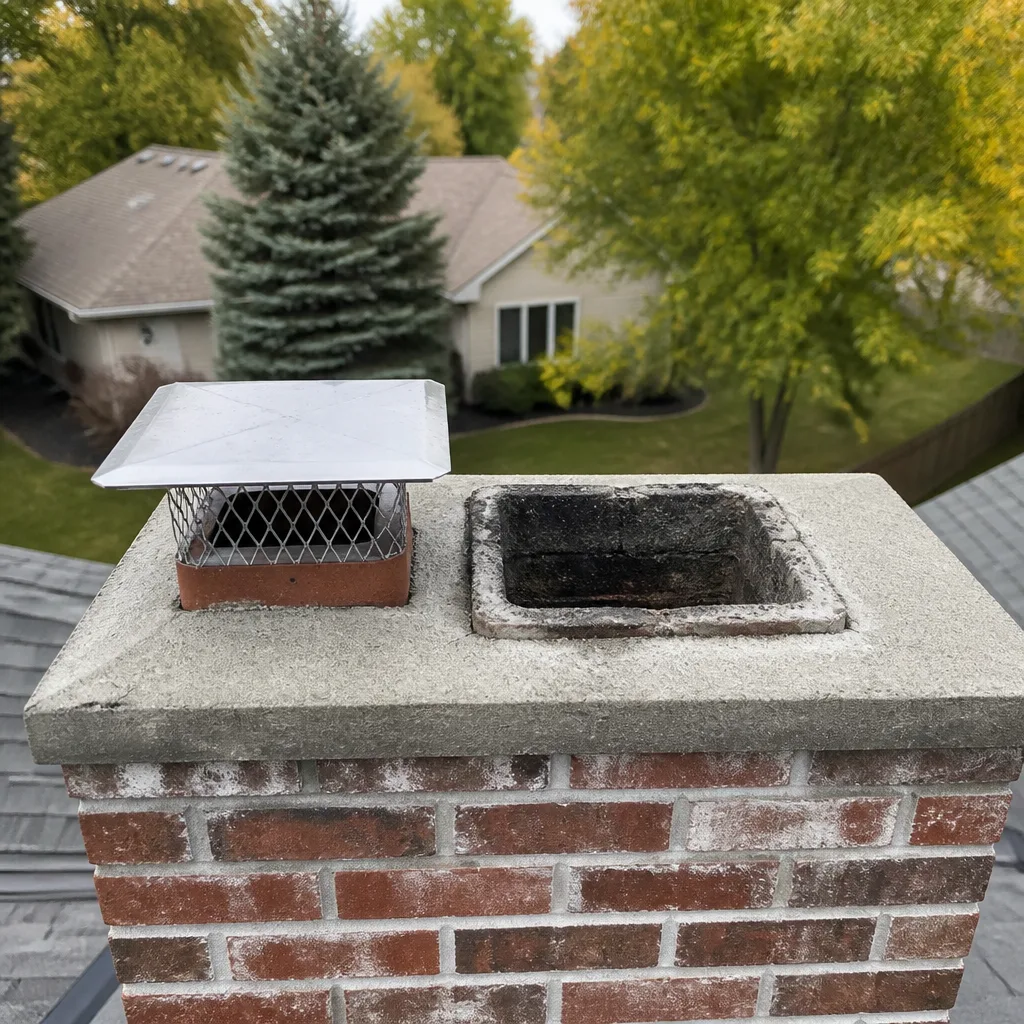
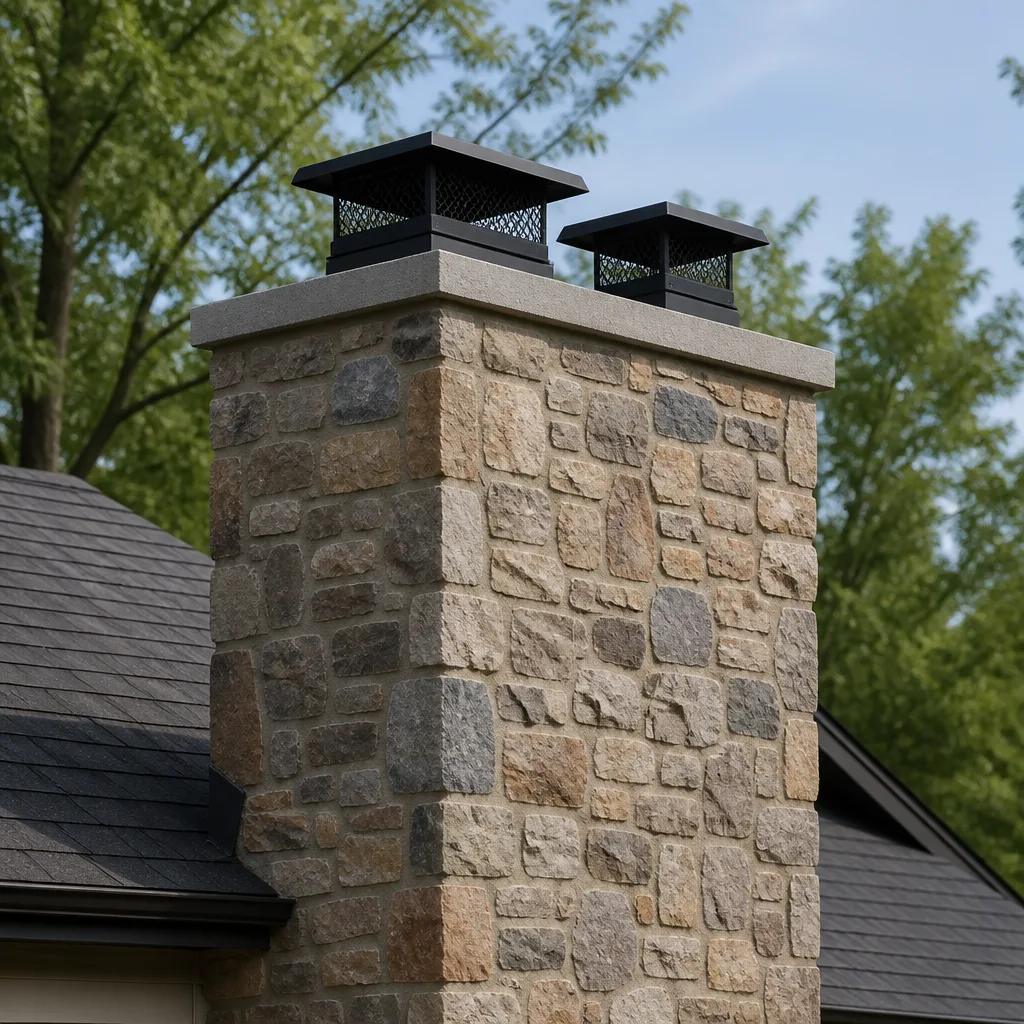
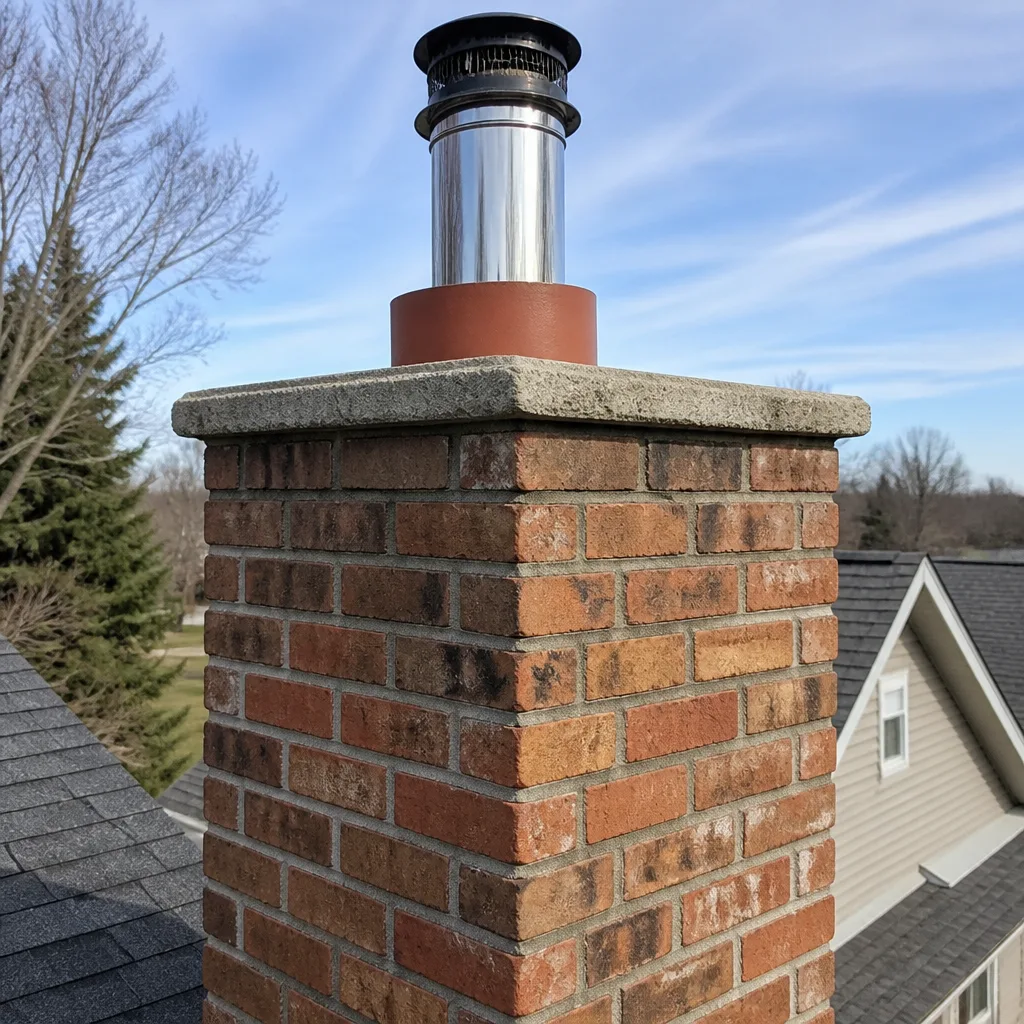
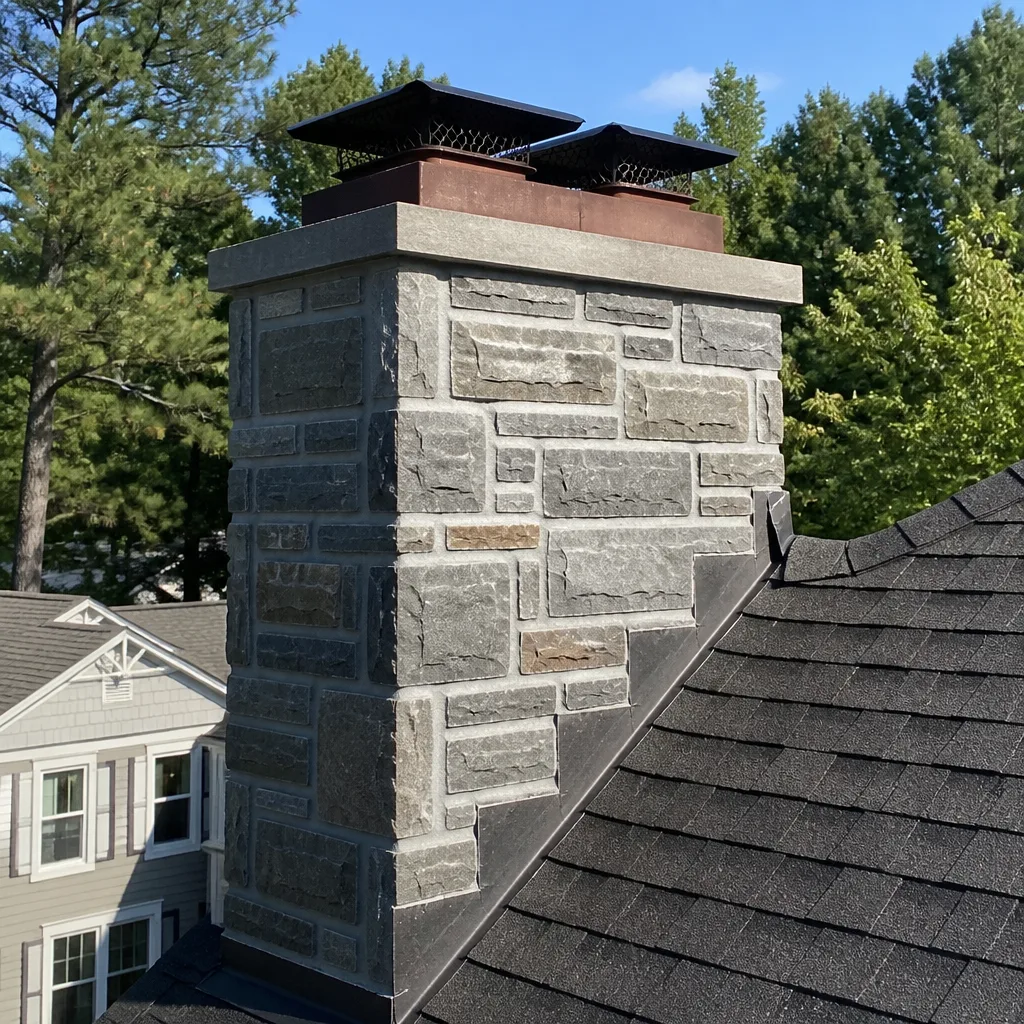
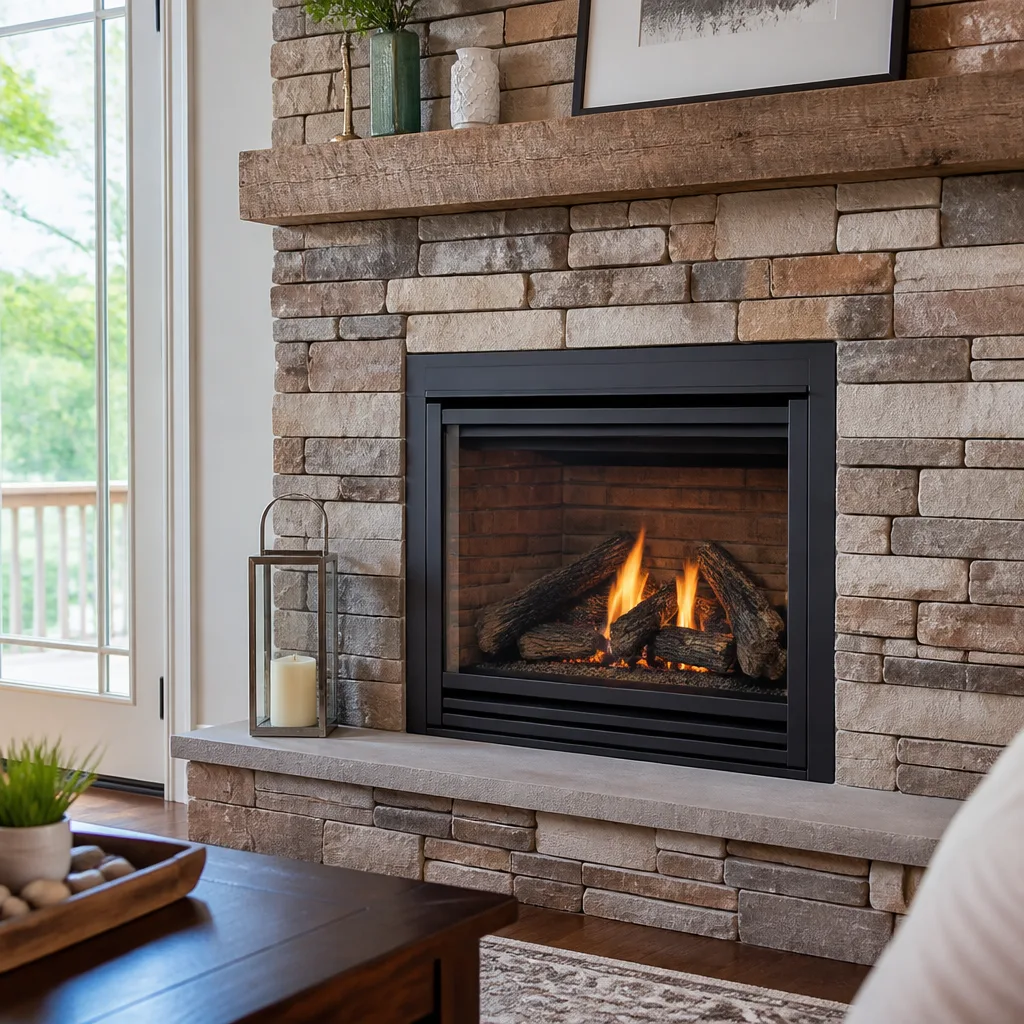
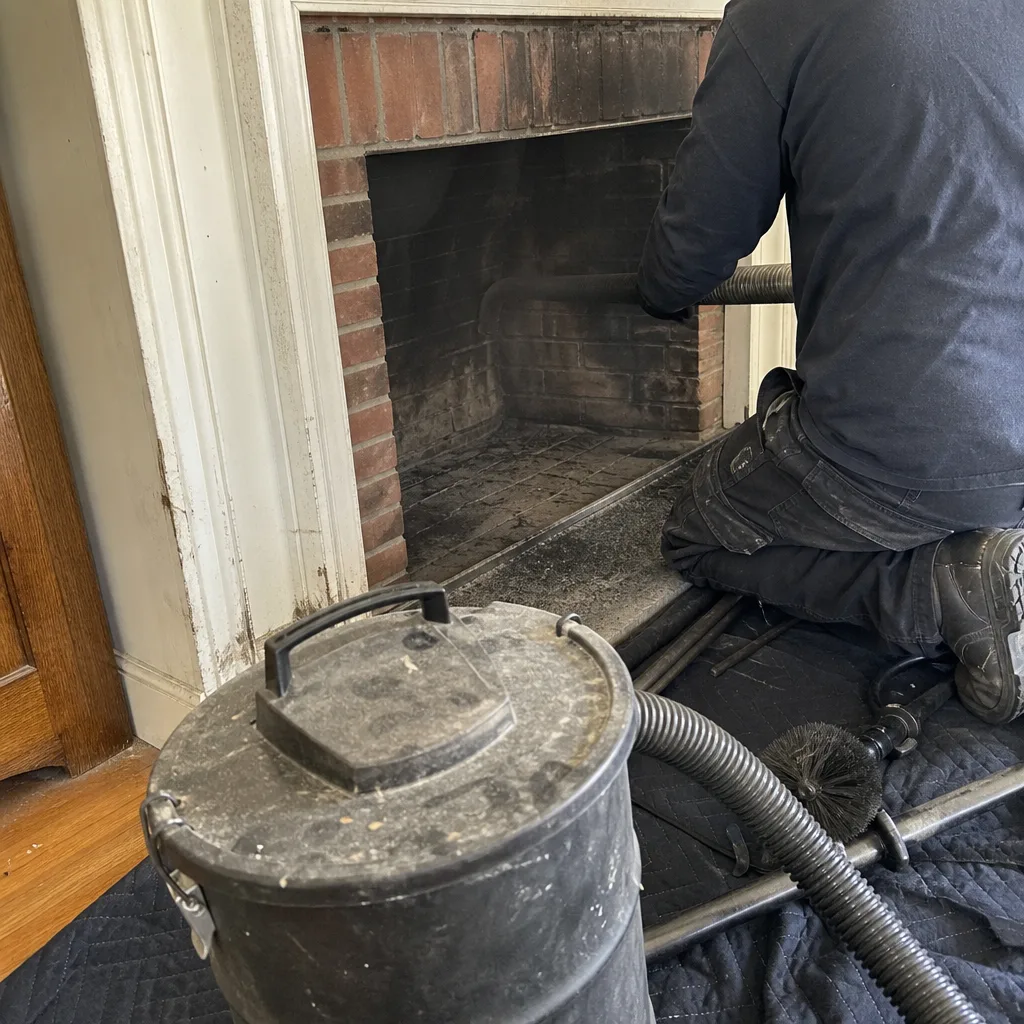 Before
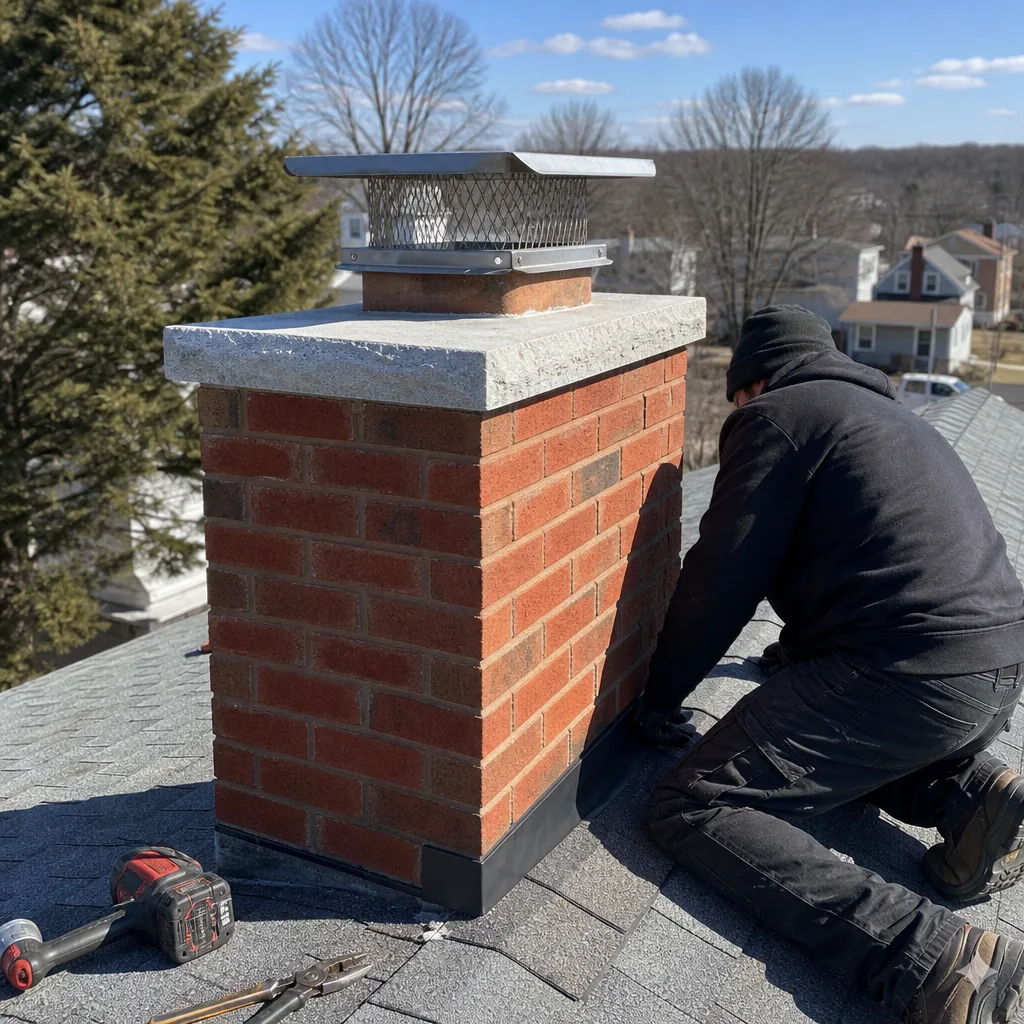 After
After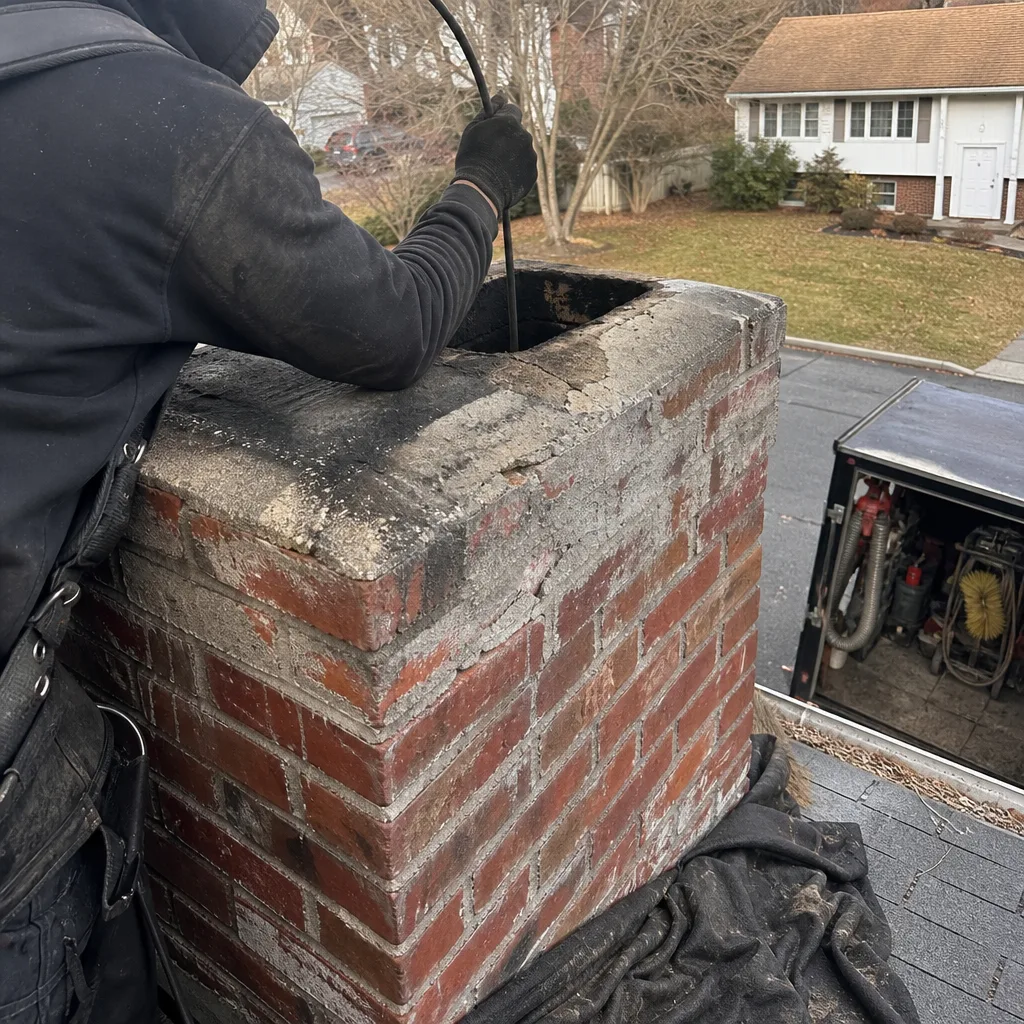 Before
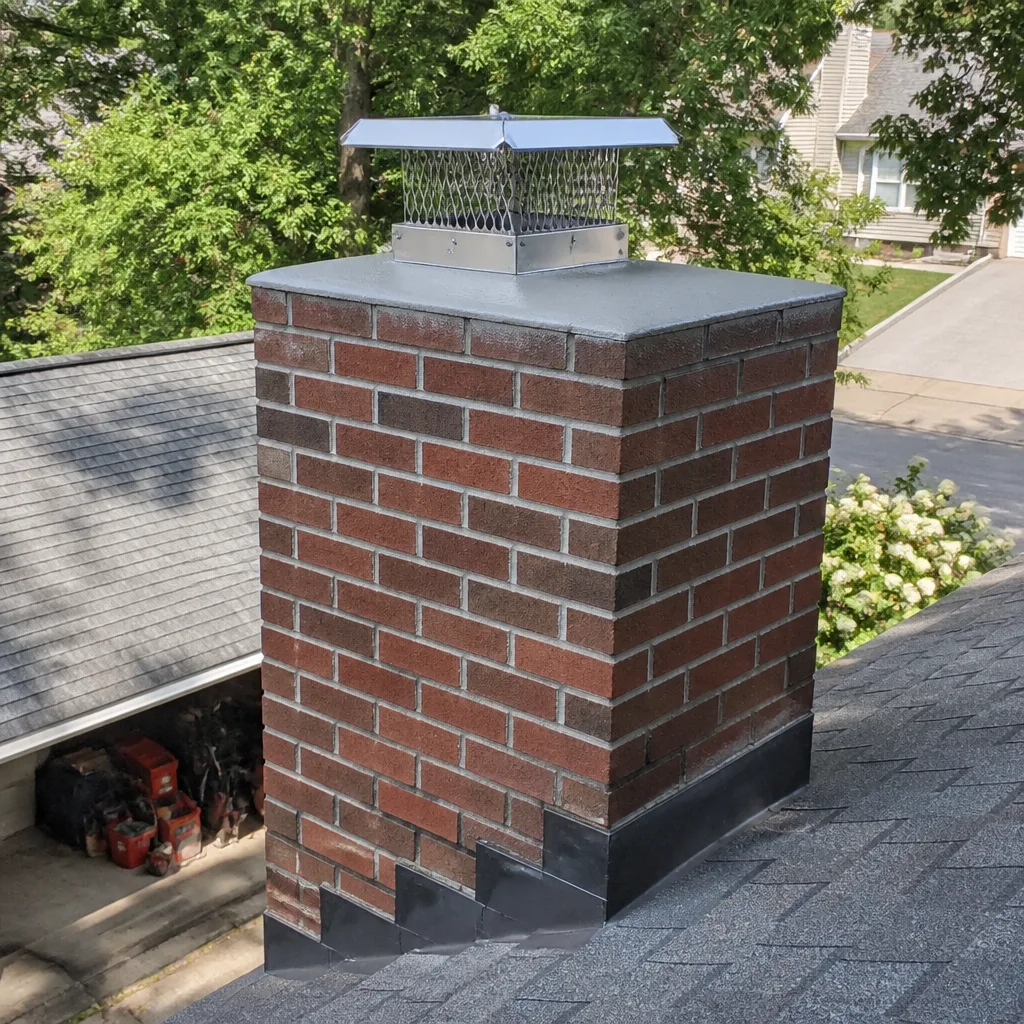 After
After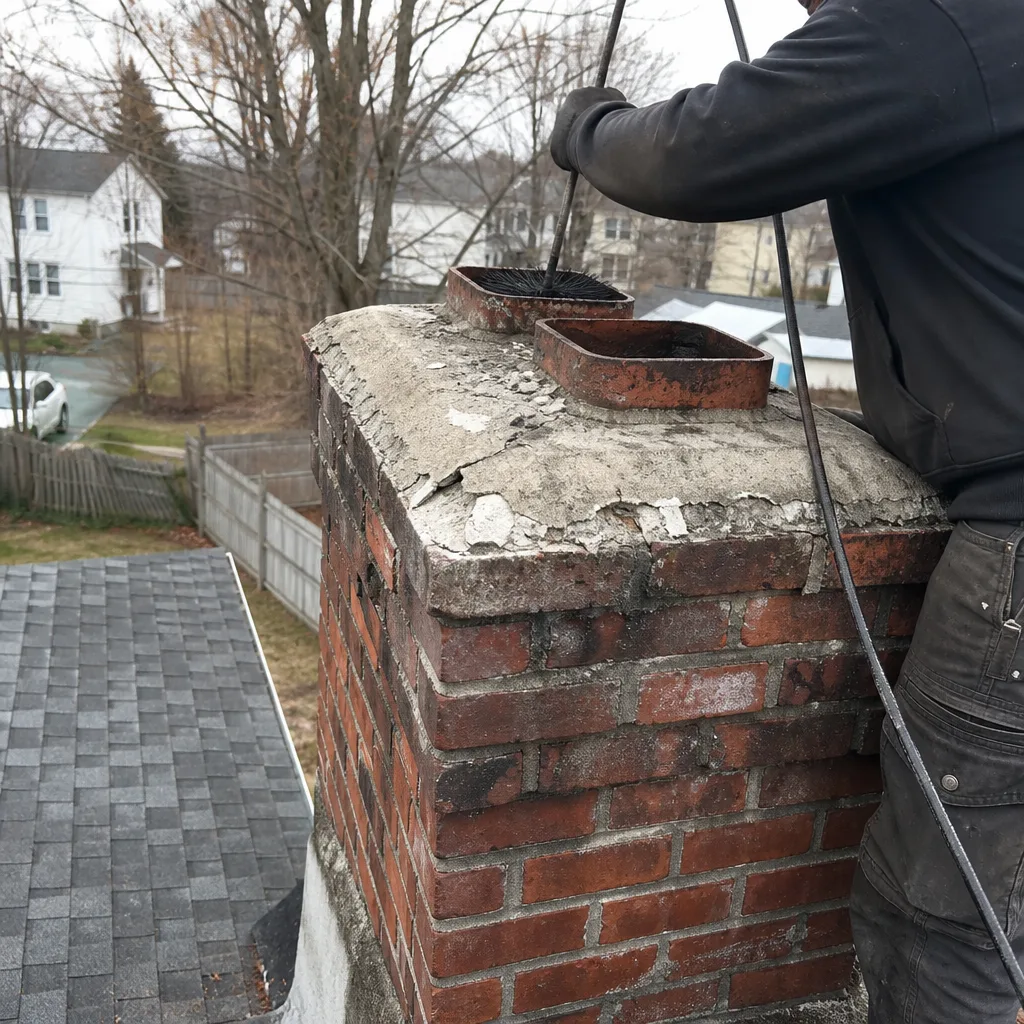 Before
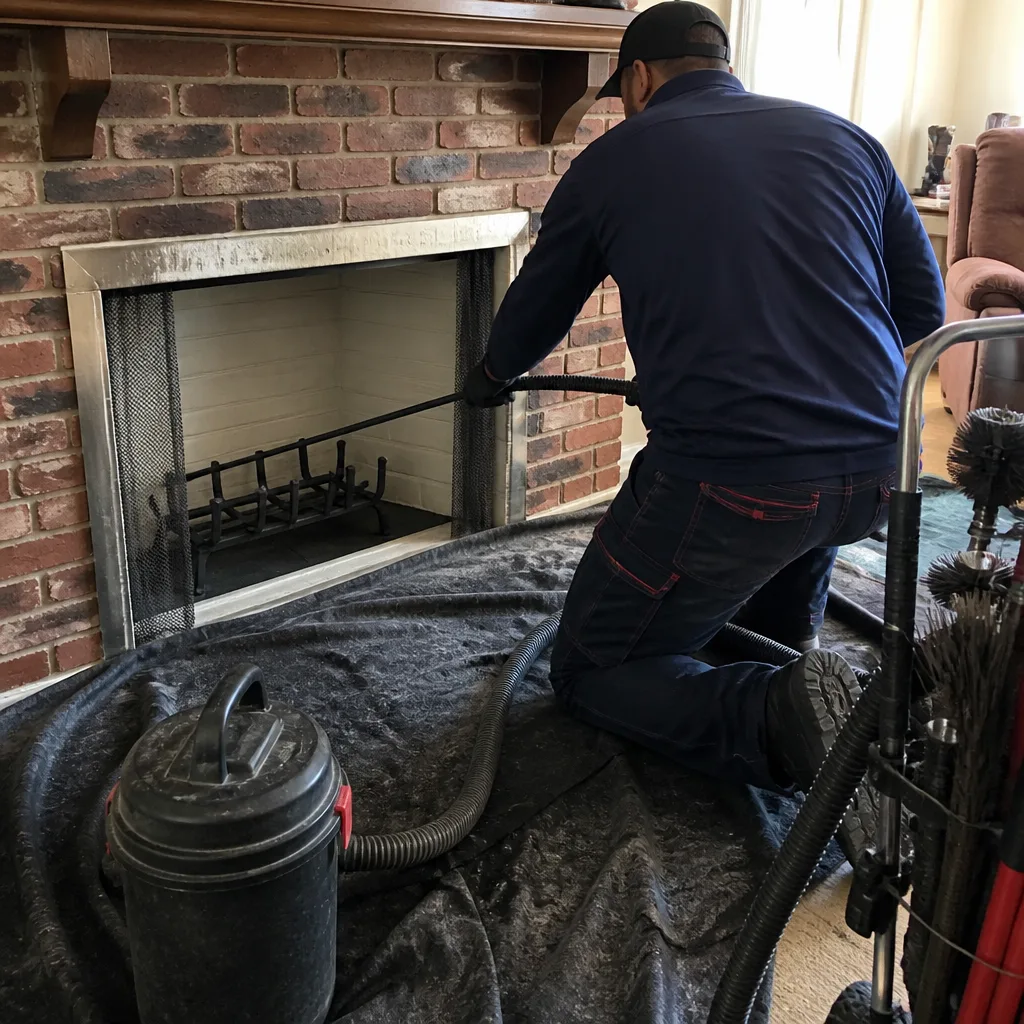 After
AfterChimney Cleaning Permits, Codes & Inspections in MA: What You Need to Know
Nobody pulls a permit for sweeping a flue. But relining a chimney without one in Massachusetts can void your homeowner’s insurance coverage and flag your property during a sale - two things worth knowing before work starts. In Peabody, where homes run from 1950s ranches in South Peabody to Victorians near the square, we see the same confusion every fall: homeowners assume either that every chimney job needs a permit, or that none of them do. Both assumptions cost money. This complete guide to chimney cleaning in Peabody covers the actual line between cleaning and repair, what Massachusetts code requires, and what happens when a chimney gets flagged during a home inspection.
Quick Answer
Chimney cleaning does not require a permit anywhere in Massachusetts, including Peabody. Repairs that alter the chimney’s structure, liner, or masonry - like a stainless steel reline, a crown rebuild, or a partial teardown - do require a building permit under Massachusetts 780 CMR, and they must be inspected by the local building department. If unpermitted chimney work shows up during a real estate transaction, it can delay closing, force a retroactive permit at double or triple the fee, or give the buyer’s attorney leverage to renegotiate the price.
Table of Contents
- The Line Between Cleaning and Repair: Why It Matters
- How Massachusetts 780 CMR Actually Applies to Your Chimney
- What NFPA 211 Means When You’re Hiring a Sweep
- Permitting a Chimney Repair in Peabody: What the Inspector Looks At
- How Chimney Work Shows Up in a Home Inspection Report
- What Unpermitted Chimney Repairs Cost You at Closing
- What to Ask Any Contractor About Permits - and the Answer That Tells You They Won’t Handle It
- Common Mistakes to Avoid
- When to Call a Professional
- Frequently Asked Questions
- The Bottom Line
The Line Between Cleaning and Repair: Why It Matters
A chimney sweep in Massachusetts is not a construction project. You don’t need a permit, inspections aren’t recorded anywhere, and no code official will ever ask to see paperwork for a brushing. What you pay for is access, labor, and disposal of creosote and soot. A standard cleaning in Peabody runs $189-$349 depending on flue height, accessibility, and how long it’s been since the last sweep.
Repair is a different animal under Massachusetts law. Once a job involves replacing a flue liner, rebuilding a crown, repointing more than a small patch of brick, or tearing down and rebuilding any part of the chimney above the roofline, the state treats it as building work. That means a permit, a plan or spec sheet, and a final inspection by the local building department.
Why does the distinction matter so much? Three reasons:
- Insurance. If a chimney fire starts in a flue that was relined without a permit, your insurer can deny the claim on the grounds that the work was not installed to code.
- Resale. A home inspector or buyer’s attorney who finds evidence of recent masonry work - new mortar lines, a replaced cap, a stainless liner - will often ask for the permit number. No permit means leverage against you at the negotiating table.
- Safety. The permit process is not paperwork for its own sake. It forces the work to be done to Massachusetts State Building Code, which references NFPA 211 standards for clearances, materials, and flue sizing.
In plain terms: cleaning is maintenance. Repair is construction. The line between them is where Massachusetts code starts paying attention.
A Simple Test
Ask what will be left behind when the crew leaves. If the answer is a clean flue and a pile of creosote in a bucket, no permit. If the answer is a new liner, new masonry, a new crown, or a chimney that has been partially dismantled and rebuilt, the job needs a permit. If the contractor tells you otherwise, that’s a red flag worth walking away from.
For homeowners in Peabody, the city’s building department has a straightforward application process for chimney repair permits. The work gets assigned an inspector who checks the job at rough-in and final stages. More on that below. First, let’s look at the actual code language that governs this.
How Massachusetts 780 CMR Actually Applies to Your Chimney
Massachusetts 780 CMR is the State Building Code, and it’s the document every local inspector in the Commonwealth works from. When it comes to chimneys, the code does not care whether you burn wood, gas, or nothing at all. What it cares about is whether the chimney is structurally sound and whether it vents combustion gases and heat safely.
The sections that matter most for chimney work are the ones dealing with fireplaces, solid-fuel appliances, and venting. A few practical takeaways for a homeowner:
- Flue sizing must match the appliance. If you’re switching from an open fireplace to a wood stove insert, the existing flue may be too large, which leads to slow draft and creosote buildup. That often means a liner change, and a liner change triggers a permit.
- Clearances to combustibles. The code specifies minimum distances between a chimney and wood framing, insulation, and other combustible materials. A masonry chimney that passes through a roof or wall has to maintain those clearances, which means the inspector will check the chase and the attic penetration.
- Materials and installation standards. Massachusetts code references NFPA 211 for chimneys serving solid-fuel appliances. That standard covers everything from mortar type to cap height to flue tile condition.
Here’s the thing most homeowners don’t hear: a building inspector is not a chimney expert. The inspector’s job is to verify that the work matches what was applied for and that it meets the minimum standards in the code book. They will check that a stainless liner has the right UL listing, that the crown has proper slope and overhang, and that spark arrestors or caps are installed where required. They won’t run a camera up the flue the way Wendell does, but they’ll look at the pieces they can see and ask for documentation on the pieces they can’t.
We’ve done dozens of permitted relines in Peabody, and in our experience, the inspectors here are thorough and reasonable. They want to see it done right, not to make your life difficult.
What NFPA 211 Means When You’re Hiring a Sweep
NFPA 211 is the National Fire Protection Association standard for chimneys, fireplaces, vents, and solid-fuel-burning appliances. It is not a law by itself, but Massachusetts building code adopts it by reference, which means it has the force of code. When a Peabody inspector signs off on a chimney repair, they’re checking it against NFPA 211 standards as much as against 780 CMR.
For a homeowner hiring a chimney sweep, here’s what NFPA 211 practically means:
- Annual inspection is the baseline. NFPA 211 says chimneys should be inspected at least once a year, and cleaned when creosote buildup reaches 1/8 inch. Once a year, burn or no burn. Chimneys break in the off-season too.
- Levels of inspection. There are three levels. Level 1 is a visual check of the accessible parts, which is what most annual sweeps include. Level 2 is what the standard calls for when you’re selling a home or when a chimney has been through a fire, a lightning strike, or a major weather event. It includes camera inspection of the flue interior. Level 3 is for when a Level 2 reveals hidden damage and requires opening up part of the chimney to investigate further.
- Creosote grading matters. First-degree creosote is a brush job. Third-degree is a glaze - catch it early. The standard distinguishes between the fluffy, brushable kind and the hard, shiny glaze that resists mechanical cleaning and often signals a chimney fire has already occurred or is imminent.
Why does this matter for permits? Because a sweep who knows NFPA 211 is the one who’ll look at your flue and tell you, honestly, whether you need a cleaning or a repair. A Level 2 camera inspection is what shows you whether that hairline crack in the flue tile is cosmetic or a chimney fire waiting to happen. And if the camera finds damage that requires a liner or masonry work, the permit conversation starts right there - before you’ve spent a dollar on something that won’t fix the problem.
The camera footage and a plain-English verdict - every time, no exceptions. That’s how we’ve done it since 1999, and that’s the standard NFPA 211 expects.
Permitting a Chimney Repair in Peabody: What the Inspector Looks At
If you’re in Peabody and your sweep says you need a new liner or a crown rebuild, here’s the actual permitting process in plain terms.
- Pull the permit before work starts. The homeowner or the contractor can pull it, but someone has to. A licensed contractor will typically handle this as part of the job. The cost is based on the scope of work, usually a few hundred dollars or less for a typical reline.
- Rough-in inspection. For a liner job, the inspector will want to see the chimney before the liner is locked in place. They’ll check the flue size, the existing masonry condition, and the clearances in the chase or attic. For a crown rebuild, they’ll check the formwork and the existing crown before new concrete is poured.
- Final inspection. The inspector returns after the work is done. They’ll verify the liner has the right UL listing for the appliance it serves, the crown slopes away from the flue, the cap has a spark arrestor if required, and the masonry work is sound. If it all checks out, the permit is closed and you have a permanent record that the work was done to code.
Once the permit is closed, keep the paperwork. That’s the document a buyer’s attorney will ask for at closing, and it’s the document your insurance company will want if you ever file a claim related to the chimney.
In Peabody specifically, we’ve found the building department to be responsive and clear about what they need. Winter can slow things down - inspectors are busy, and roofing work in January is its own battle - but the process itself is not complicated. The key is that it starts with a contractor who knows it’s required and doesn’t try to talk you out of it.
If you’re planning a chimney repair in Peabody, our Chimney Repair in Peabody page walks through the typical job scopes and timelines. For regular maintenance, see Chimney Cleaning & Sweep in Peabody.
How Chimney Work Shows Up in a Home Inspection Report
A home inspection is where chimney problems stop being invisible. In Peabody, where the housing stock is older and buyers are often first-time homeowners from Boston or the North Shore, chimney findings in an inspection report are common and frequently contentious.
Here’s what you need to know about how chimney work appears in a standard home inspection:
- Visible masonry issues get flagged. Cracking in the crown, spalling brick, efflorescence, and missing caps are all things a home inspector can see from the ground or from the roof. These get written up as “recommend further evaluation by a qualified chimney professional.”
- Interior flue condition is usually beyond the inspector’s scope. Most home inspectors don’t put a camera up a flue. They’ll note water stains around the fireplace, smoke odors, or creosote buildup they can see. For a deeper look, the buyer may request a Level 2 chimney inspection, which is a separate visit from a qualified sweep.
- Recent repairs raise permit questions. If the inspection or the seller’s disclosure reveals that the chimney was relined, rebuilt, or repaired in the last several years, the buyer’s attorney may ask for the permit. In Massachusetts, a seller is required to disclose known unpermitted work, but many don’t until it’s surfaced by an inspector.
A chimney that’s been properly maintained and has no visible issues is a non-event in a home inspection. A chimney with a cracked crown, water staining in the attic, and a rusted damper is a negotiation point. The buyer asks for a credit or a repair. The seller either pays for the repair now, with a permit, or concedes the credit. Either way, the cost lands on the seller.
If you’re buying a home in Peabody and the inspection flags the chimney, get a dedicated chimney inspection before you ask for credits. A general home inspector may overstate or understate the issue. A qualified sweep will camera the flue and give you a specific repair cost, which puts you in a much stronger negotiating position. Ask anyone on your street how much a surprise chimney repair cost them after closing - it’s never a small number.
What Unpermitted Chimney Repairs Cost You at Closing
Here’s a scenario we’ve seen more than once: a homeowner relines their chimney in 2018, pays cash to a contractor who says a permit isn’t necessary, and puts the house on the market in 2025. The buyer’s inspector notes a stainless liner that looks recent. The buyer’s attorney asks for the permit. There isn’t one. Now what?
At minimum, the seller faces one of these outcomes:
- Retroactive permit. Peabody’s building department can issue a permit after the fact, but it typically costs two to three times the original fee and requires an inspection. If the work doesn’t meet current code, additional repairs may be required before the permit can be closed.
- Price concession. The buyer’s attorney may demand a credit at closing to cover the risk of the unpermitted work. This often ranges from a few thousand dollars to the full cost of a new liner, depending on the negotiating dynamics.
- Delayed closing. Even if everyone agrees on a credit, the inspection and documentation process can push closing back by weeks. In a competitive Peabody market, sellers may not have that kind of time before the buyer walks.
- Insurance complications. If the buyer discovers the unpermitted work after closing, their insurer may refuse to cover chimney-related damage, which becomes the buyer’s problem - and potentially a future disclosure issue if they sell.
The cost of a permit is a few hundred dollars. The cost of unpermitted work at closing is almost always in the thousands. The math is not complicated. A licensed contractor who pulls permits is protecting you from a problem you won’t see until you’re signing documents at a lawyer’s office.
What to Ask Any Contractor About Permits - and the Answer That Tells You They Won’t Handle It
Before you hand over a deposit for chimney work in Peabody, ask the contractor this question: “Will this work require a permit, and will you pull it?” Listen carefully to the answer.
The right answer sounds something like: “Yes, this reline requires a permit through the city building department. We’ll file it, schedule the inspections, and the permit will be closed before you pay the final invoice.” That’s what you want to hear.
Here’s the answer that tells you they won’t handle it correctly:
- “You don’t really need a permit for this.” If the work involves a liner, crown, or masonry rebuild, that’s not true in Massachusetts.
- “We can do it either way - with or without.” A contractor who treats permits as optional doesn’t take code seriously.
- “It’s easier if you pull it yourself.” Sometimes homeowners do pull their own permits, but a contractor who shifts that responsibility onto you is often trying to avoid the insurance and licensing scrutiny that comes with being listed on a permit.
- “Nobody checks anyway.” This is the most dangerous answer of all. It’s admission that they don’t care whether the work is done to code, as long as they get paid.
Also worth asking: are they licensed, insured, and registered to work in Massachusetts? Will they provide a written estimate before any work begins? Will they show you camera footage of the flue before and after the repair? If the answers to any of these are vague, keep looking. A professional sweep will put it all in writing.
Wendell has been doing permitted chimney work in Peabody and the North Shore since 1999. His license number is on every estimate, and the permit is pulled before a tool comes off the truck. No exceptions.
Common Mistakes to Avoid
- Assuming all chimney work needs a permit. Cleaning and routine sweeping do not. Paying a contractor for “permit filing” on a simple cleaning is paying for something that doesn’t exist.
- Assuming no chimney work ever needs a permit. Relining, crown rebuilds, and masonry teardowns do. This mistake surfaces at closing, and it’s expensive.
- Hiring a contractor who says the permit is “no big deal, we’ll handle it later.” If the permit isn’t pulled before work starts, the inspection can’t happen. If the inspection can’t happen, the permit was never closed. You now have unpermitted work.
- Skipping the camera inspection before a reline. A good sweep won’t recommend a liner without footage. If a contractor waves off the camera and says “trust me, it needs a new liner,” get a second opinion. Top Hat Chimney offers a free second opinion on any written estimate, no strings.
- Waiting until listing day to think about the chimney. Call a sweep before you list, not after the buyer’s inspector flags the crown. A $249 cleaning and a $75 cap install is a lot cheaper than a $3,000 credit at closing.
- Assuming a home inspector has checked the flue interior. They can’t see inside the flue. A Level 2 inspection with a camera is the only way to know what’s actually happening in there.
- Ignoring water damage signs. Stains on the ceiling near the chimney, efflorescence on the brick, or a damper that won’t open all the way point to a crown or flashing issue. Water will turn a small masonry repair into a full rebuild if left alone through a few New England winters.
When to Call a Professional
Call a qualified chimney professional if you see water staining near the chimney, notice a smoky smell when the fireplace is not in use, see cracked or missing brick, or know it has been more than a year since the flue was last inspected. Also call before you buy or sell a home in Peabody - a camera inspection is the only way to know what the flue condition actually is, and it’s the difference between a clean closing and a renegotiated one. If a chimney fire has occurred at any point, even a small one, the chimney needs a Level 2 inspection before another fire is lit. Top Hat Chimney offers free estimates in Peabody - call (978) 637-8560 and we’ll schedule a sweep. Wendell or one of his crew will be the one who shows up, uniformed and background-checked, with a real arrival window.
Frequently Asked Questions
No. A standard chimney sweep is maintenance, not construction, and no Massachusetts city or town requires a permit for it. For more guides & resources, see our blog. In Peabody, you can book a cleaning any time without contacting the building department. The permit conversation only starts when the cleaning reveals damage that requires repair.
Any repair that alters the chimney’s structure, liner, or masonry requires a building permit under Massachusetts 780 CMR. That includes stainless steel relining, crown rebuilding, partial teardown and rebuild, and significant repointing. A simple cap replacement or minor crown sealing may not, but it depends on the scope - a qualified contractor can tell you definitively before work starts.
A standard chimney cleaning in Peabody runs between $189 and $349, depending on the flue height, roof pitch, accessibility, and how long it has been since the last cleaning. Some homes with very tall chimneys or complicated roof lines run higher. The price you’re quoted should be the price you pay - no add-ons at the door. Call (978) 637-8560 for a firm quote.
NFPA 211, which Massachusetts code adopts by reference, says chimneys should be inspected at least once a year, whether or not you burn. If you burn regularly through a New England winter, an annual inspection before the burning season is the bare minimum. If you’re buying or selling a home, or the chimney has been through a fire or major storm, a Level 2 inspection with camera footage is the standard.
Creosote builds up in the flue, and the longer it sits, the harder it is to remove. A flue that hasn’t been swept in three or more years may have second or third-degree creosote, which requires rotary cleaning or chemical treatment. More importantly, you’re losing the early warning system: minor cracks and water damage caught in year one are cheap to fix. The same damage found in year five is a rebuild. Once a year, burn or no burn. Chimneys break in the off-season too.
It depends entirely on your policy and how the claim is framed. Many insurers will deny chimney fire claims if they can show the fire was caused by negligent maintenance - which a flue full of creosote strongly suggests. Some policies also have exclusions for damage caused by unpermitted repair work. If you’re not sure what your policy says, call your agent. If you’re not sure whether your chimney is safe, call us for an inspection. The camera footage and a plain-English verdict - every time, no exceptions.
The Bottom Line
Chimney cleaning in Massachusetts is a no-permit maintenance task, but the repairs that often follow it are regulated by the state building code, and unpermitted work will catch up with you at closing. The best defense is simple: have your chimney swept once a year, camera-inspected before any repair recommendation, and permitted whenever the work changes the liner, crown, or masonry. In Peabody, the building department makes the permit process manageable, and a contractor who handles it properly is one who takes his work seriously. Wendell has been doing it since 1999, and he still puts his name on every job. Call Top Hat Chimney at (978) 637-8560 for a free estimate, a straight answer, and a sweep who’ll tell you honestly when the work can wait. For more on our services, visit Top Hat Chimney home, Fireplace Services in Peabody, or any of the pages linked above.
Written by Wendell Pike, Owner at Top Hat Chimney, serving Peabody since 1999.