
Level 1 sweep and inspection to the NFPA 211 annual standard - flue, crown, cap, and flashing checked and photographed
Chimney sweep logs do not sweep chimneys. They loosen some creosote - which then falls where a brush and vacuum still have to collect it.
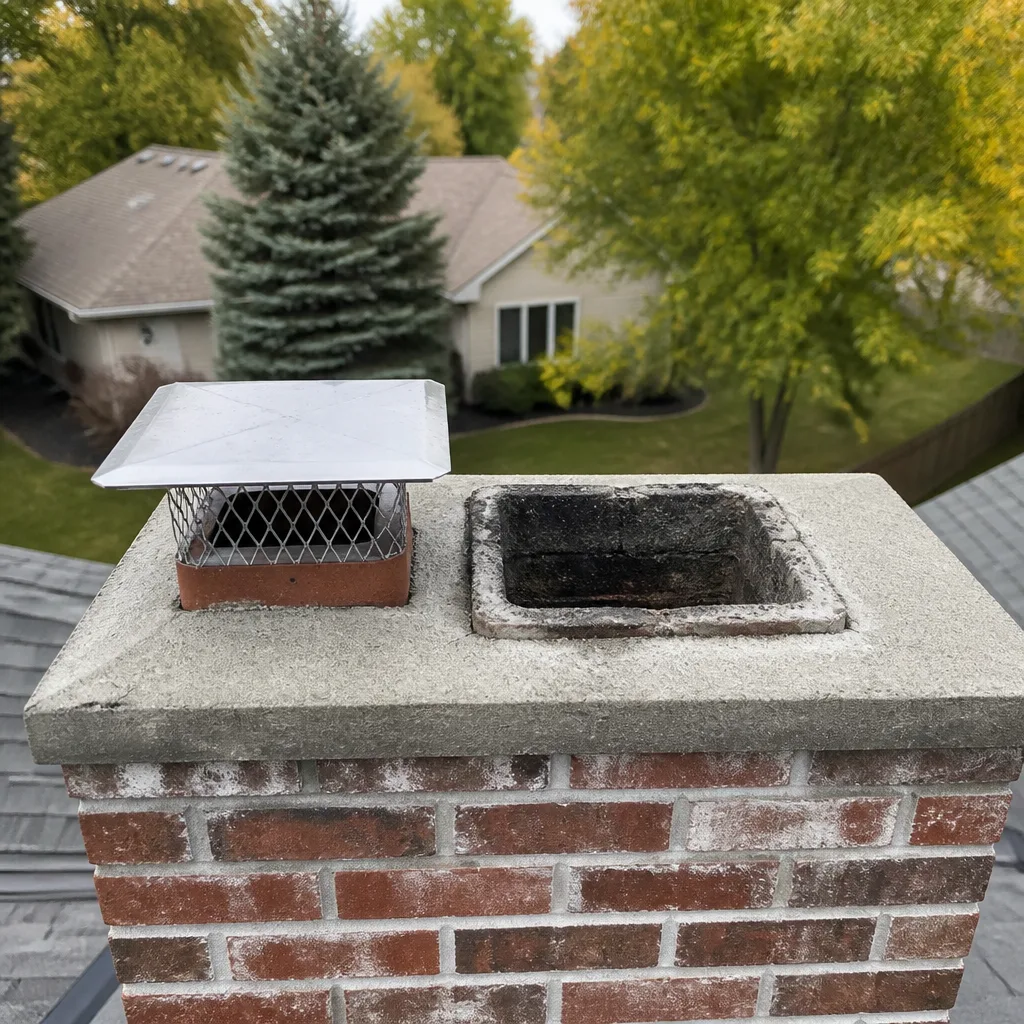
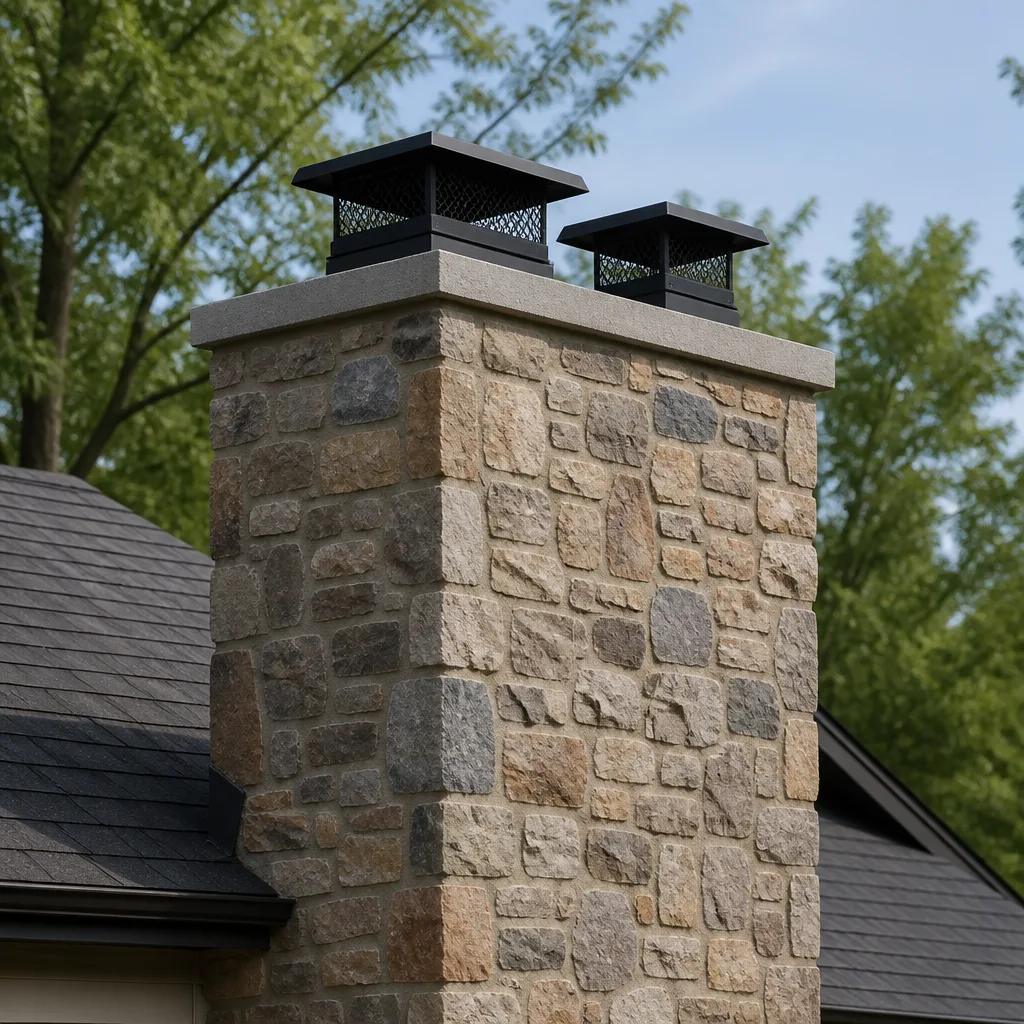
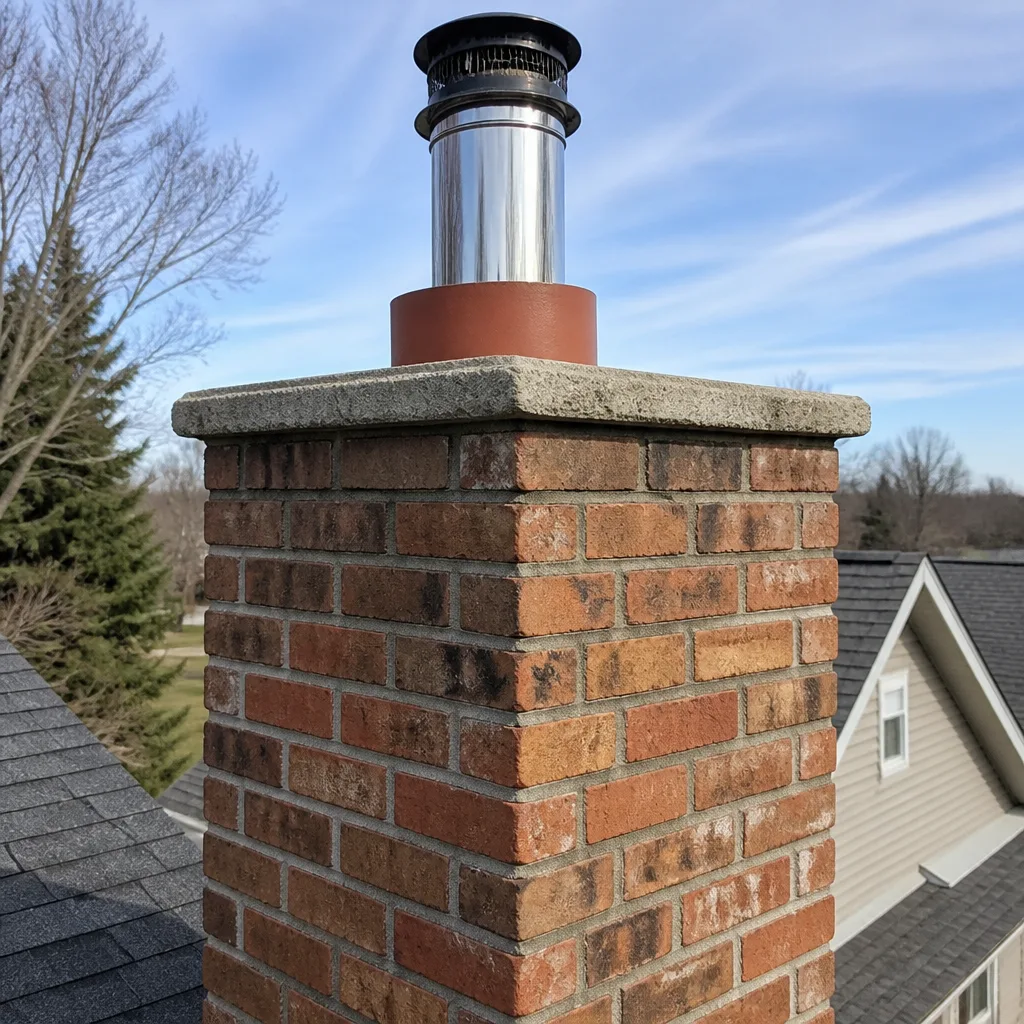
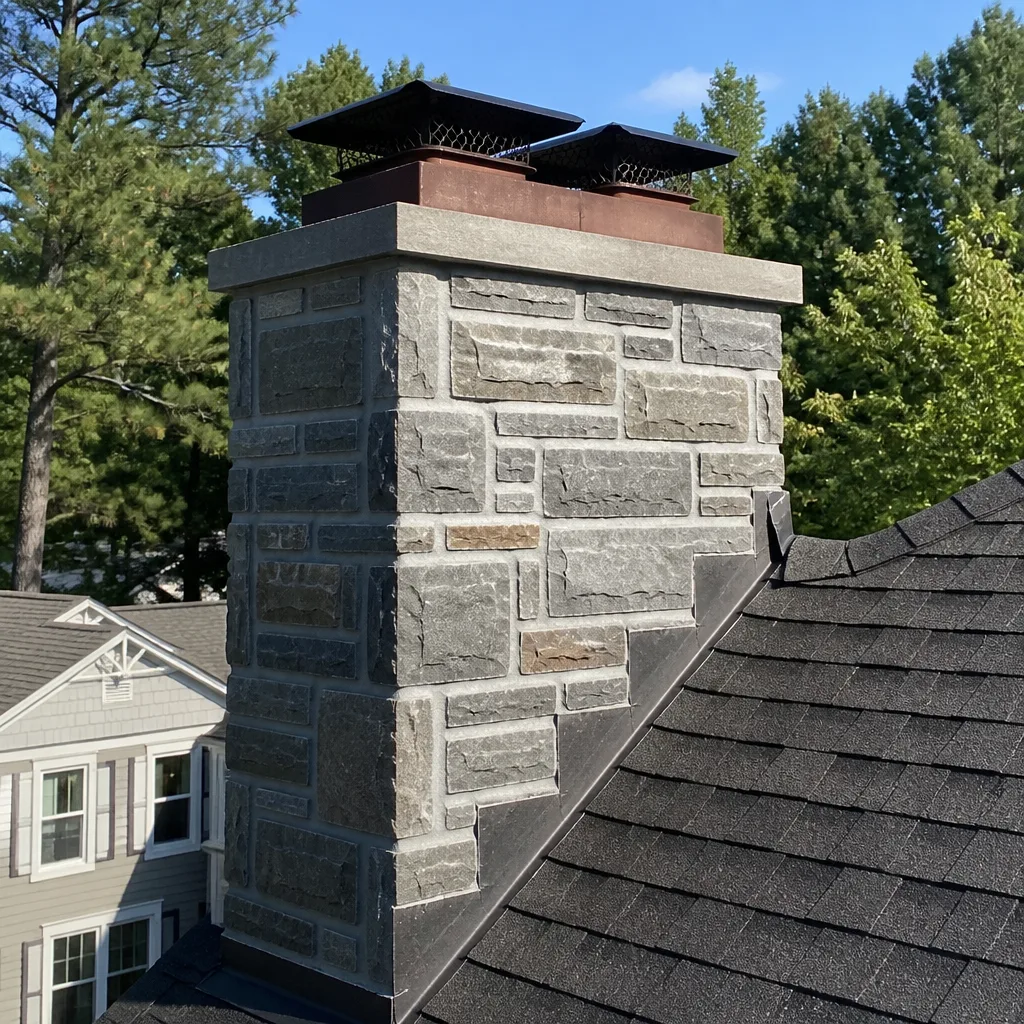

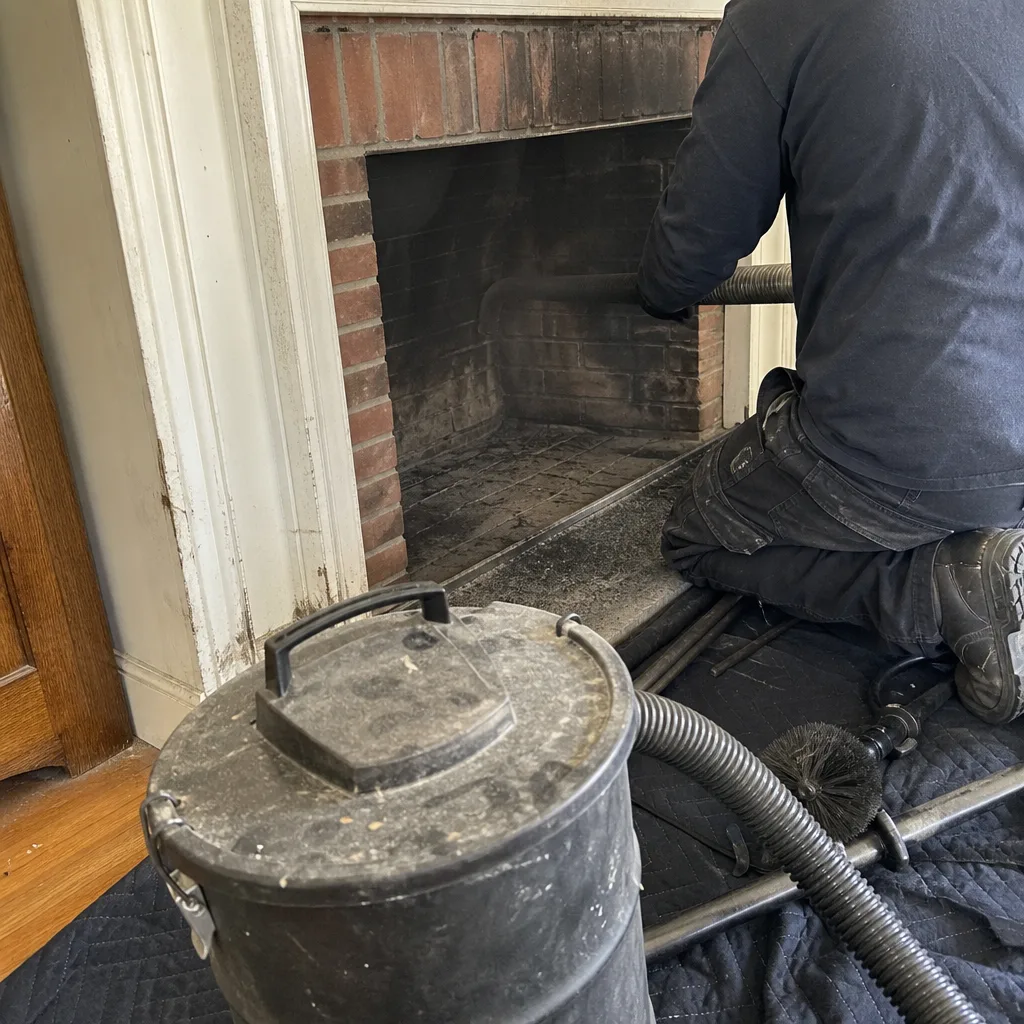 Before
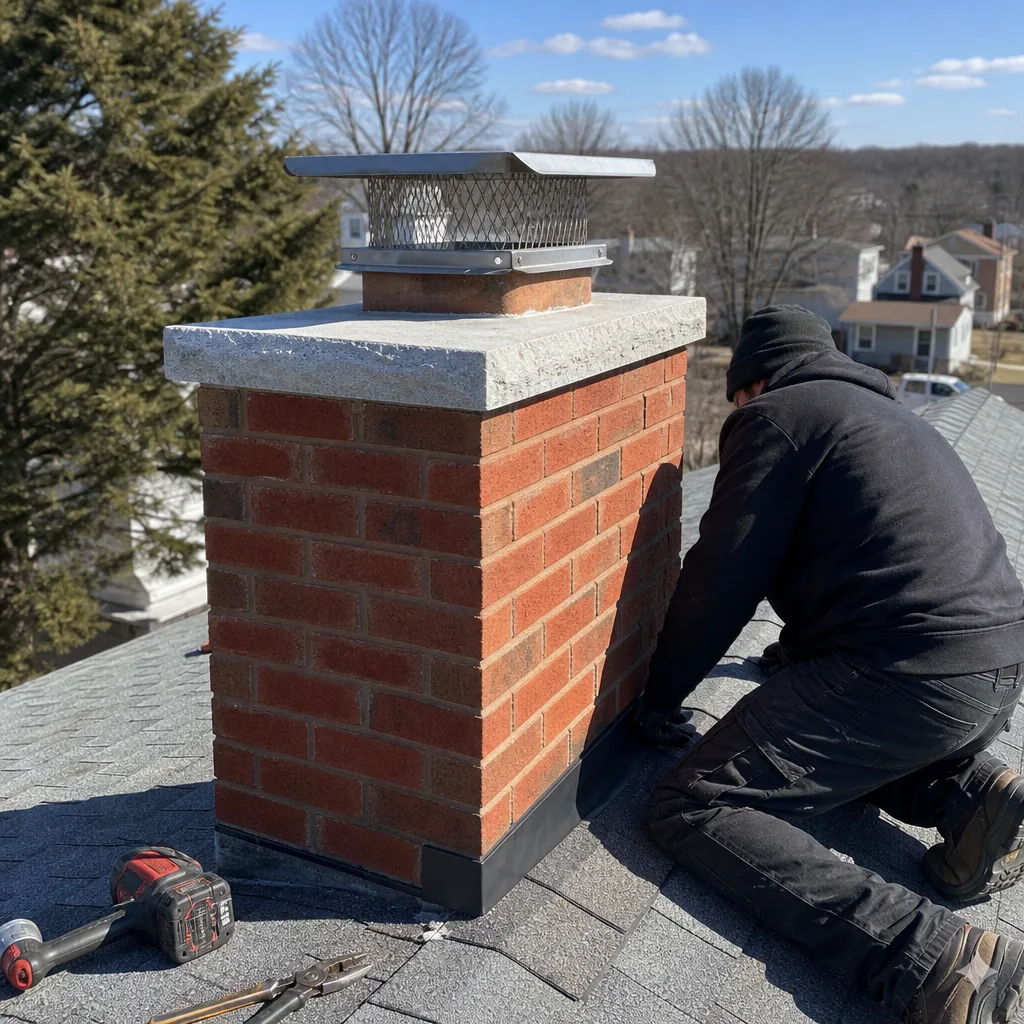 After
After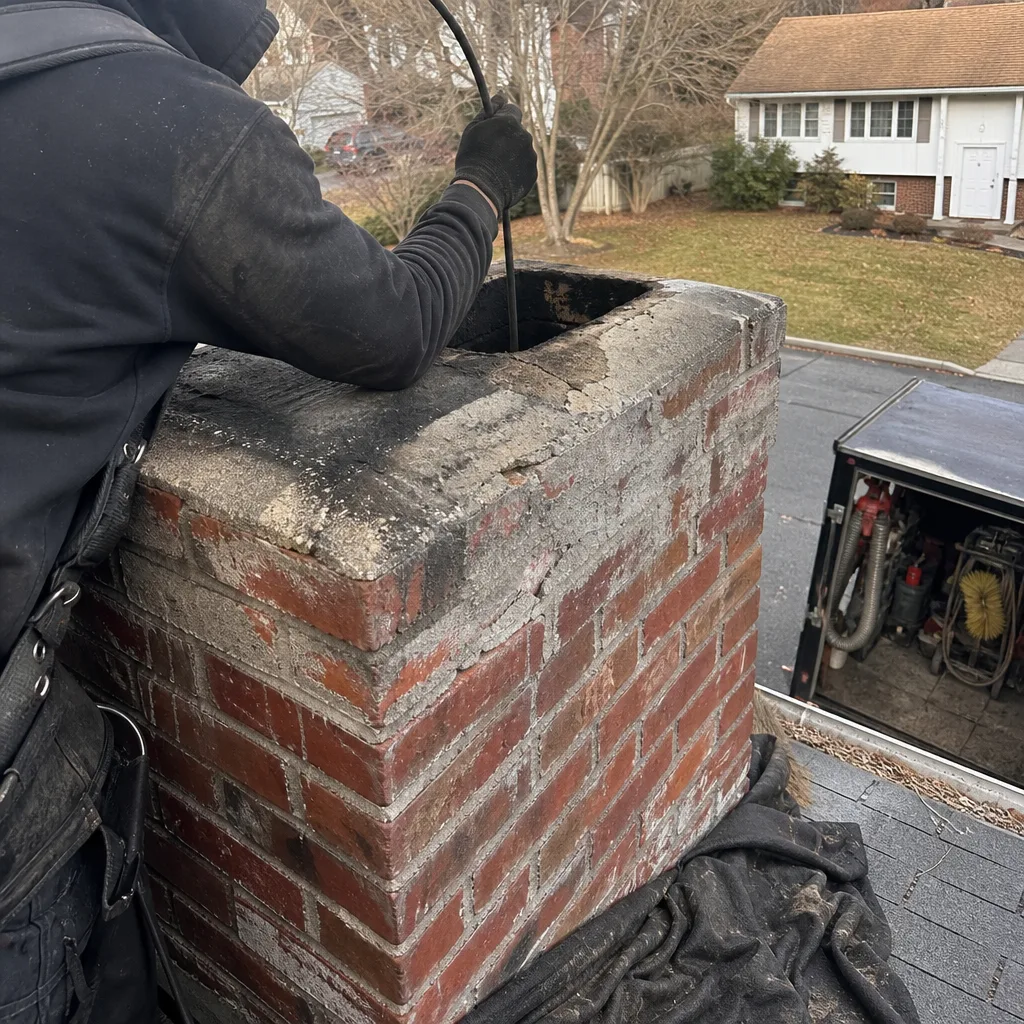 Before
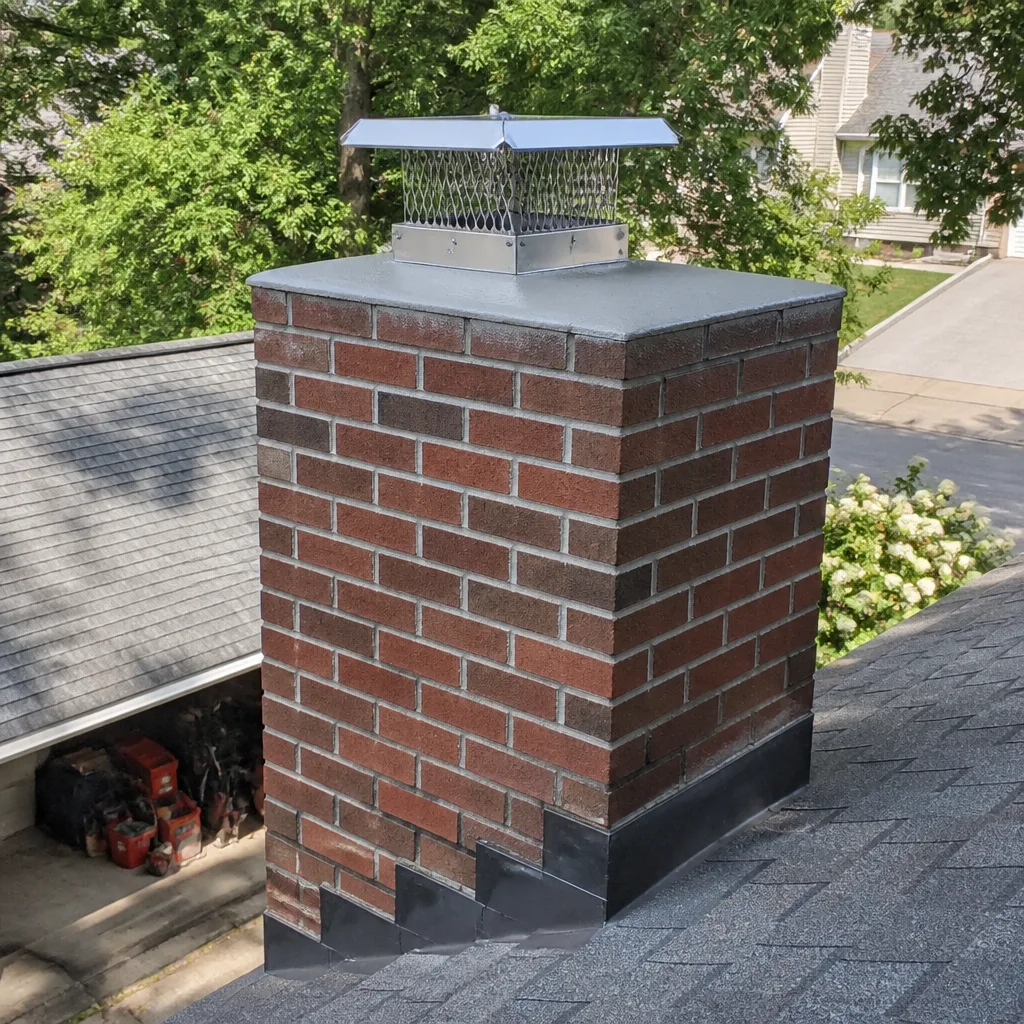 After
After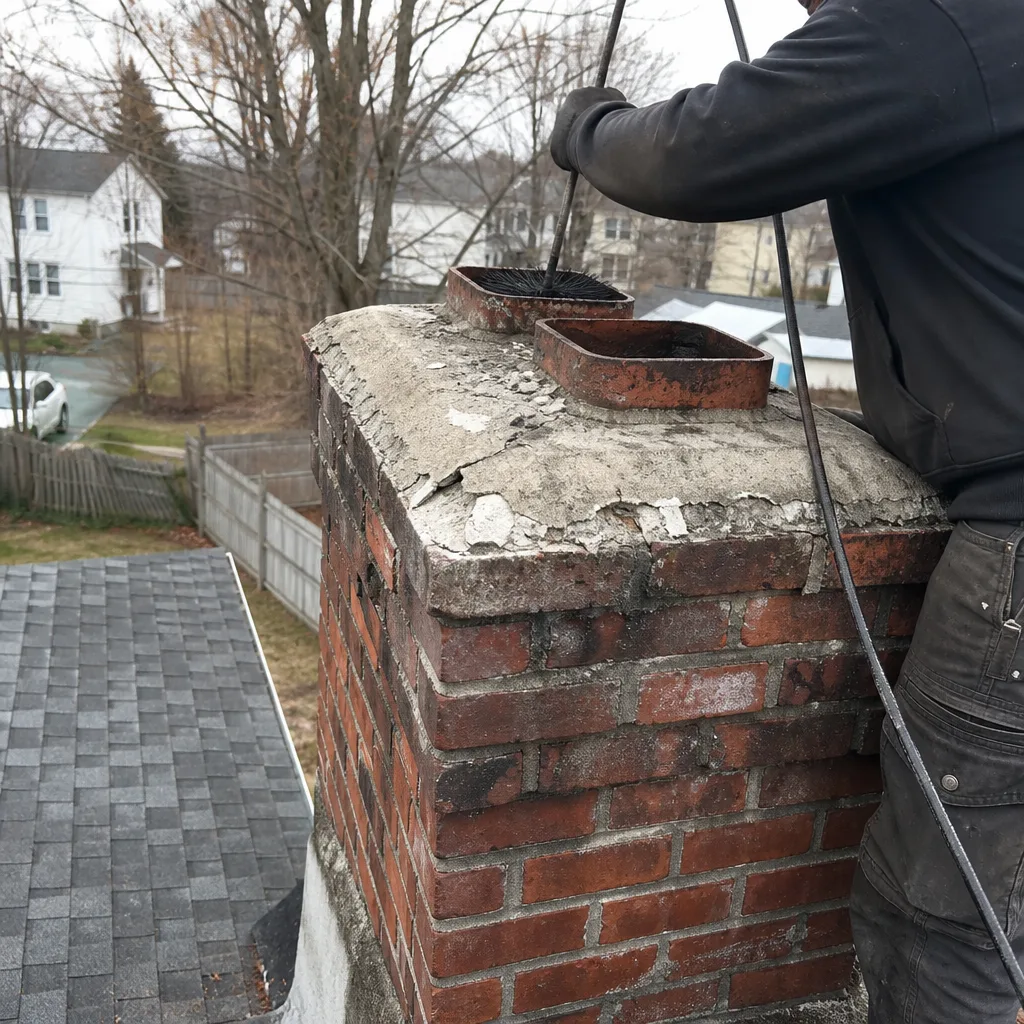 Before
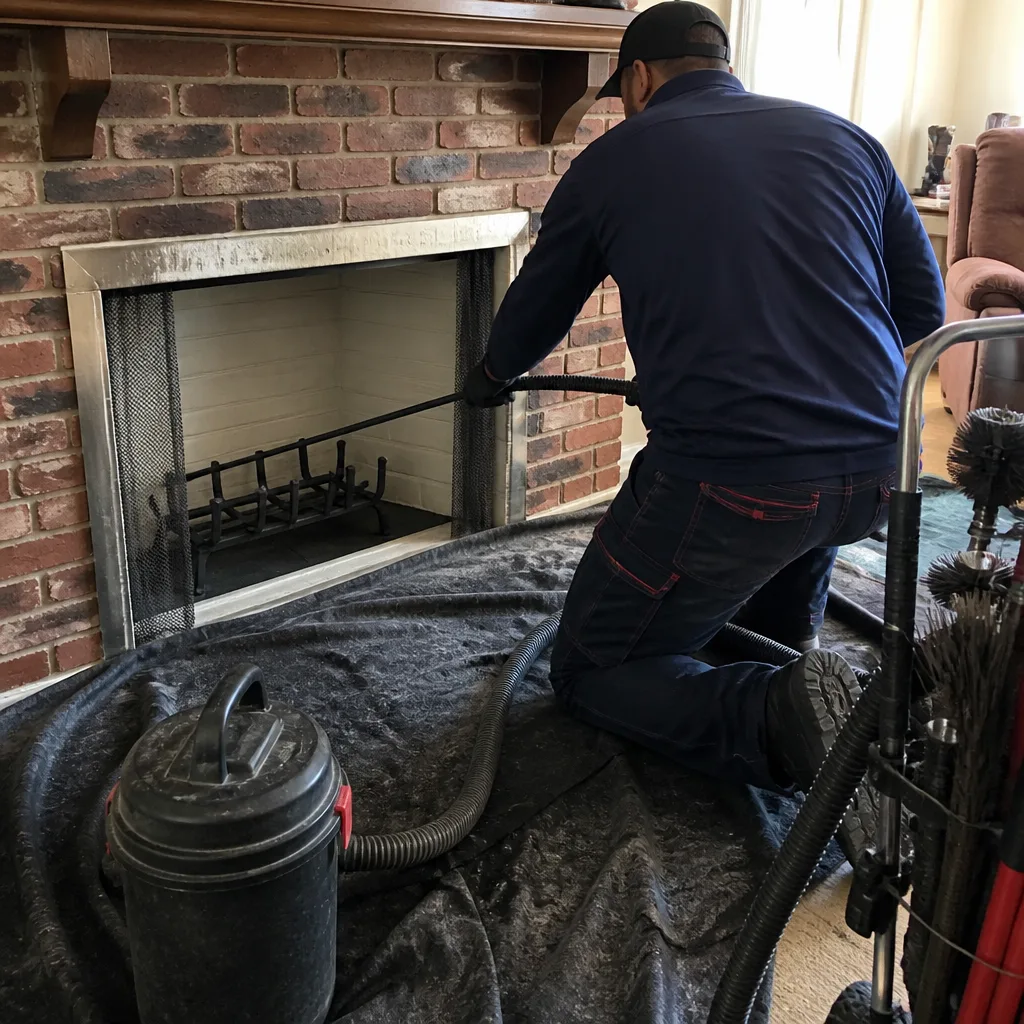 After
AfterSoot Removal in Peabody, MA
Soot removal in Peabody typically runs $149 to $349, depending on how much has built up, how long it’s been since the last cleaning, and whether the flue has any tight spots that slow the work down. Most jobs are done in a single visit, and we leave the firebox and surrounding area cleaner than we found it.
If your fireplace smells smoky when you haven’t lit a fire, or you’re seeing black dust settling on the mantel or nearby furniture, that’s soot doing what soot does when it’s not removed on a regular schedule. It migrates. It stains. And at high enough concentrations inside the flue, it becomes the first stage of a creosote problem that’s a lot more expensive to deal with later.
Wendell Pike has been running Top Hat Chimney since 1999, and soot removal is the most routine part of the work – the kind of thing that keeps a chimney functioning the way it’s supposed to, year after year. If you want to know what you’re looking at before committing to anything, call us at (978) 637-8560. A live person picks up, any time of day. As part of our full Chimney Cleaning & Sweep in Peabody service, soot removal is handled with the same care and camera documentation as every other job we do.
What Soot Actually Is – and Why It Matters
Soot is the fine black carbon residue that forms when wood, gas, or oil doesn’t burn completely. Every fire produces some of it. When combustion is efficient – dry wood, a hot fire, good draft – you get less. When the wood is wet, the fire is smoldering, or the air supply is restricted, you get more. The particles ride the smoke up the flue and deposit on the liner walls, the smoke chamber, the damper frame, and the firebox interior.
First-degree creosote is essentially soot: a light, dusty, brushable deposit. It’s the easiest form to remove and the cheapest to deal with. Let it accumulate over two or three seasons without cleaning, and you start to see it harden into second-degree creosote – flakier, shinier, more stubborn. Third-degree is a glaze that requires chemical treatment and specialized tools. Catch it early and you’re paying for a routine Annual Sweep. Catch it late and you’re looking at a multi-visit job with different chemistry and a lot more labor.
In Peabody, we see a particular pattern in older homes along the Lynn Street corridor and up through the West Peabody neighborhoods: fireplaces that were used heavily through the 1980s and 1990s, then used occasionally or left dormant for years. Dormant doesn’t mean clean. Soot and moisture mix in an unused flue, and that combination accelerates liner corrosion in the terra cotta systems common in homes built before 1970. When someone fires up the hearth again after a five-year gap, they’re often surprised by what’s in there.
When You Need Soot Removal
- You smell smoke when the fireplace isn’t in use. Soot absorbs humidity and releases a stale, acrid odor – especially in summer, when warm air reverses the draft and pulls that smell into the living room. In Peabody, the combination of ocean humidity from the coast and older homes without tight dampers makes this complaint common from June through August.
- You see black residue on the firebox walls or damper. A light grey ash is normal. Thick black deposits that feel greasy or gritty to the touch are soot buildup that should have been swept out at the end of last season.
- Fine black dust is settling on the mantel, furniture, or floors nearby. This means soot is migrating out of the firebox into the room – typically because the damper isn’t sealing properly or there’s a draft issue causing backflow. The soot needs to come out, and then the draft problem needs to be addressed.
- It’s been more than a year since your last cleaning. The National Fire Protection Association recommends annual inspection and cleaning. Peabody homeowners who burn even four or five cords a season should not skip a year. Those who burn less frequently still need an annual look – chimneys deteriorate in the off-season too, and a blocked or damaged flue creates carbon monoxide risk regardless of how much you burn.
- You’re buying or selling a home in Peabody. Home inspectors flag dirty or uncleaned chimneys routinely. Getting soot removal and a camera inspection done before listing removes one of the most common negotiating points buyers use to lower the price.
- You had a chimney fire – even a small one. A minor chimney fire can go undetected. If you heard a loud pop or rumble from the fireplace, or noticed an unusually intense burn that died down quickly, have the flue inspected. Soot and creosote that has partially combusted leaves a different residue that requires a different approach than routine cleaning.
Our Soot Removal Process
- Pre-job walkthrough and fireplace protection. Before a single brush goes into the flue, Wendell or one of his crew talks through what they’re seeing at the firebox opening – visible deposits, damper condition, any obvious cracks in the liner or smoke chamber. Drop cloths go over the flooring and furniture in the immediate area. A HEPA-filtered vacuum is connected to the firebox opening to create negative pressure, so soot travels into the machine rather than into the room.
- Top-down chimney brushing. The sweep works from the rooftop down, running a correctly sized brush through the full length of the flue. Brush sizing matters more than most homeowners realize – a brush that’s too small doesn’t contact the walls properly, and one that’s too large can chip terra cotta liner tile. We match the brush to the measured dimensions of your flue, not a rough estimate.
- Smoke chamber and smoke shelf cleaning. These two areas collect more soot per square foot than anywhere else in the system, and they’re often skipped by companies that rush a job. The smoke shelf sits just above the damper and acts as a ledge that catches falling debris – including soot. We clean it every time, without exception.
- Firebox and damper cleaning. The firebox interior, damper plate, and damper frame are cleaned down to the smoke chamber throat. Gelco rotary cleaning tools are useful here for stubborn deposits that don’t respond to standard brushing.
- Camera inspection of the flue liner. Every soot removal job we do in Peabody includes a camera run. We show you the footage – in real time or on a recorded file – and give you a plain-English read on what we found. Cracks, mortar joint erosion, glazed deposits, obstructions. No jargon, no upsell pressure. If there’s nothing else to address, we say so.
- Cleanup and written job summary. We clean up after ourselves – thoroughly – and leave you with a written summary of the condition of the system, what was done, and the 90-Day Done Right Promise in writing. If anything we touched isn’t right within 90 days, one call brings the crew back at no additional cost.
Soot Removal Pricing in Peabody
Soot removal in Peabody is priced based on the scope of the job – not a number we pull out of thin air on the phone and revise when we get to the door. You’ll have the exact figure before a tool comes off the truck.
| Scope | Typical Price Range |
|---|---|
| Light soot accumulation (burned once or twice a season, cleaned within 2 years) | $149 – $199 |
| Moderate buildup (regular use, 1-3 seasons since last cleaning) | $199 – $279 |
| Heavy accumulation or long-dormant flue (4+ years, visible glaze beginning) | $279 – $349 |
| Add: HeatShield or chemical treatment for early-stage glazing | Quoted separately on-site |
A few things affect where your job falls in that range. Flue height matters – a three-story chimney on a Queen Anne in the Brooksby Village area takes longer to brush than a single-story ranch off Route 1. Flue geometry matters too; offset flues with multiple bends are more labor-intensive. And the last time the chimney was cleaned matters most of all.
Standing discounts: Seniors and veterans always receive 10% off. Any repair work that exceeds $200 gets $40 off automatically. No trip charge for Peabody calls within our service county.
Call (978) 637-8560 for a free estimate. Estimates are delivered upfront, before work begins – not after the sweep is already inside the flue.
What We Use and Why It Matters
Soot removal looks simple from the outside – a brush, a vacuum, done. The reality is that the tools and the technique make a significant difference in both the quality of the clean and the condition of the liner afterward.
We use HEPA-rated vacuums because standard shop vacs recirculate fine particulate back into the air. Soot particles are small enough to stay airborne for hours if they’re not captured properly, which means they end up on your furniture, your floors, and in your HVAC system. The HEPA filter stops that.
For stubborn deposits in the smoke chamber, Gelco rotary cleaning tools give us better contact with irregular masonry surfaces than fixed brushes alone. On liner assessment, we rely on a video camera every time – not a mirror and a flashlight. The camera footage is your documentation. If you need it for a home sale, an insurance claim, or a permit, it’s there.
When a flue inspection reveals early-stage glaze or hairline cracks in the liner, we have access to HeatShield resurfacing products for flues that can benefit from a sealed interior surface without requiring a full liner replacement. That’s a separate conversation and a separate quote – but it’s worth knowing the option exists if the camera turns up something unexpected.
Peabody-Specific Notes
Peabody sits close enough to the coast that salt air humidity is a real factor in chimney maintenance – more so than in inland communities like Andover or Haverhill. Moisture accelerates the breakdown of mortar joints and terra cotta liner sections, and it makes soot deposits more adhesive. Chimneys in Peabody’s older neighborhoods – particularly homes built before 1960 in the Foster Street and Lowell Street corridors – often have unlined or clay-lined flues that need more attention than a newer stainless liner system.
We’ve also seen a pattern specific to Peabody’s renovation era of the late 1990s and early 2000s: homeowners who had chimney caps added during that period but never had the flue professionally cleaned first. The cap reduced moisture intrusion, but also sealed in whatever soot and early creosote was already present. If your cap was added without a prior cleaning, it’s worth having the interior inspected now.
Peabody’s older building stock also means a lot of smoke chambers built with corbelled brick rather than poured refractory – surfaces that catch and hold soot more aggressively than a smooth pararge coat. Cleaning these takes longer and requires a different brush approach than a standard modern chamber.
FAQs – Soot Removal
How often does a chimney need soot removal in Peabody?
Once a year is the standard for Chimney Cleaning & Sweep services, whether you burned two cords last winter or just lit the fireplace on holidays. In Peabody specifically, the coastal humidity and older housing stock mean annual cleaning is more important than in drier inland towns. Skipping years doesn’t save money over time – it moves you from a routine cleaning into a heavier-buildup job that costs more to clear. Call (978) 637-8560 if you’re not sure when the last cleaning was; we’ll tell you what we see and what it actually needs.
Is soot removal the same as a full chimney sweep?
Soot removal is the core task of a chimney sweep, but a full sweep also includes inspection of the firebox, damper, smoke chamber, liner, cap, and crown. When Wendell and his crew do soot removal in Peabody, they don’t just brush the flue and leave – the camera goes up every time and you get a written condition report. If the sweep turns up something that needs repair, you’ll hear about it plainly, without pressure, and with upfront pricing before anything else is scheduled.
Can soot damage my home if I don’t remove it?
Yes, in a few different ways. Accumulated soot absorbs moisture and releases acidic compounds that corrode metal damper components and break down mortar joints. At high concentrations, soot is combustible – not as aggressively as third-degree glazed creosote, but enough to sustain a flue fire if a particularly hot burn sends sparks up the flue. And soot that migrates into the living space is a respiratory irritant, particularly for older adults. Catching it at first-degree (the dusty, brushable stage) is always the right call.
How do I know if I have soot buildup or something more serious like creosote?
Honestly, you often can’t tell from inside the firebox without a light and a mirror – and even then, the smoke chamber and upper flue are out of sight. A camera inspection is the only reliable way to know what you have and how much of it. We run the camera on every soot removal job in Peabody, show you the footage, and give you a straight answer. If it’s first-degree soot, the brush handles it that visit. If there’s second or third-degree creosote starting, we tell you exactly what that means and what it costs to address – no vague estimates, no pressure.
Key Takeaways
- Soot removal in Peabody runs $149 to $349 depending on buildup level and flue conditions; most jobs finish in one visit.
- Annual cleaning is the minimum standard – coastal humidity in Peabody makes regular maintenance more critical than in inland communities.
- Top Hat Chimney has served Peabody since 1999. Wendell Pike’s name is on every job, and the 90-Day Done Right Promise is in writing on every invoice.
- Every soot removal includes a camera inspection and a plain-English condition report – not a mirror-and-flashlight guess.
- Seniors and veterans receive 10% off. Any repair over $200 gets $40 off. No trip charge within the service county.
- Call (978) 637-8560 any time – a live person answers, around the clock.
Schedule Soot Removal in Peabody
If your chimney is overdue for cleaning, or you’re not sure what’s in the flue, the best move is searching Chimney Cleaning & Sweep Near Me in Peabody, MA and giving us a call. Wendell and his crew work in Peabody regularly, and we can usually get on the schedule within a few days. You’ll get a real arrival window, a call if anything changes, and upfront pricing before anyone touches the chimney. The estimate is free. The 90-Day Done Right Promise is in writing. And if something we did isn’t right, one call brings us back – no charge, no argument.
Call (978) 637-8560 to schedule soot removal in Peabody. Ask about the Top Hat Chimney free second opinion if you’ve already got a written estimate from another company – we’ll take a look and give you an honest comparison.
Written by Wendell Pike, Owner at Top Hat Chimney, serving Peabody.