
Last updated September 10, 2026
Level 1 sweep and inspection to the NFPA 211 annual standard - flue, crown, cap, and flashing checked and photographed
Chimney sweep logs do not sweep chimneys. They loosen some creosote - which then falls where a brush and vacuum still have to collect it.
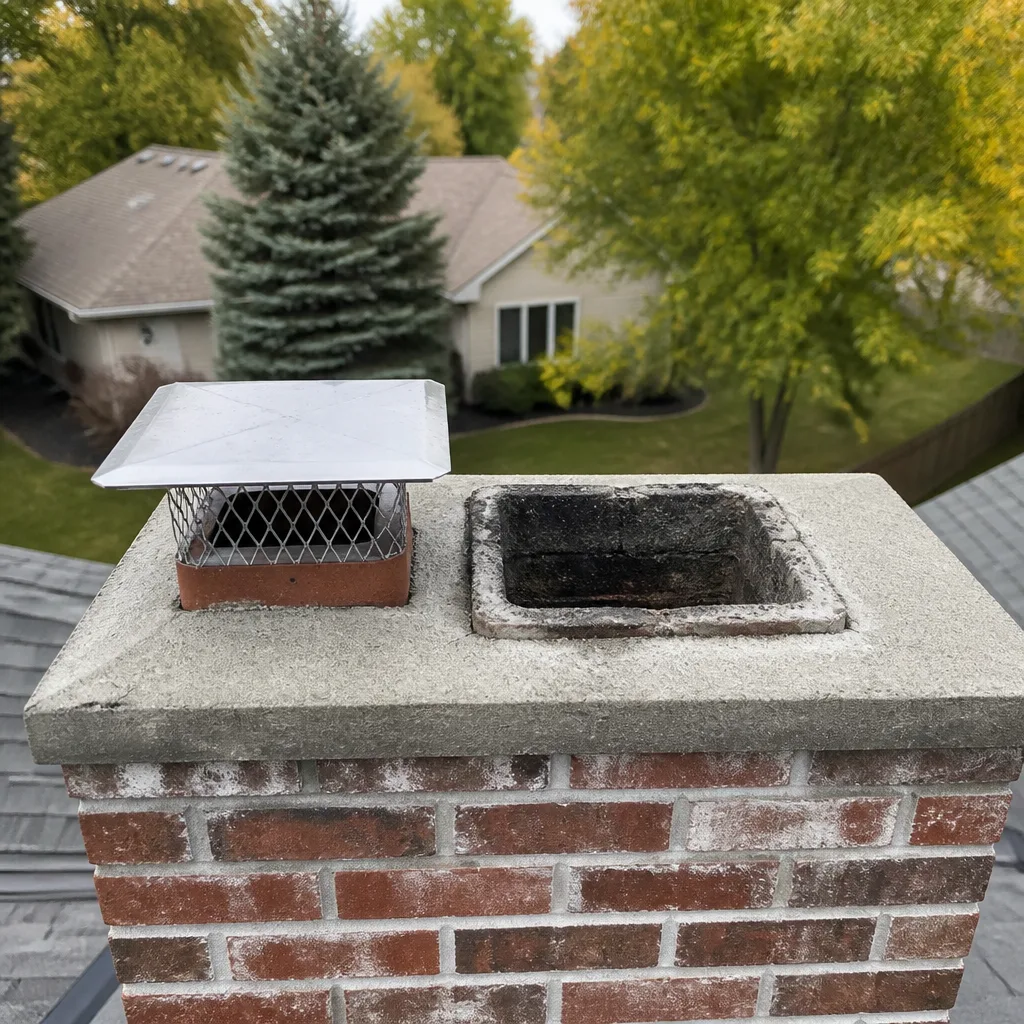
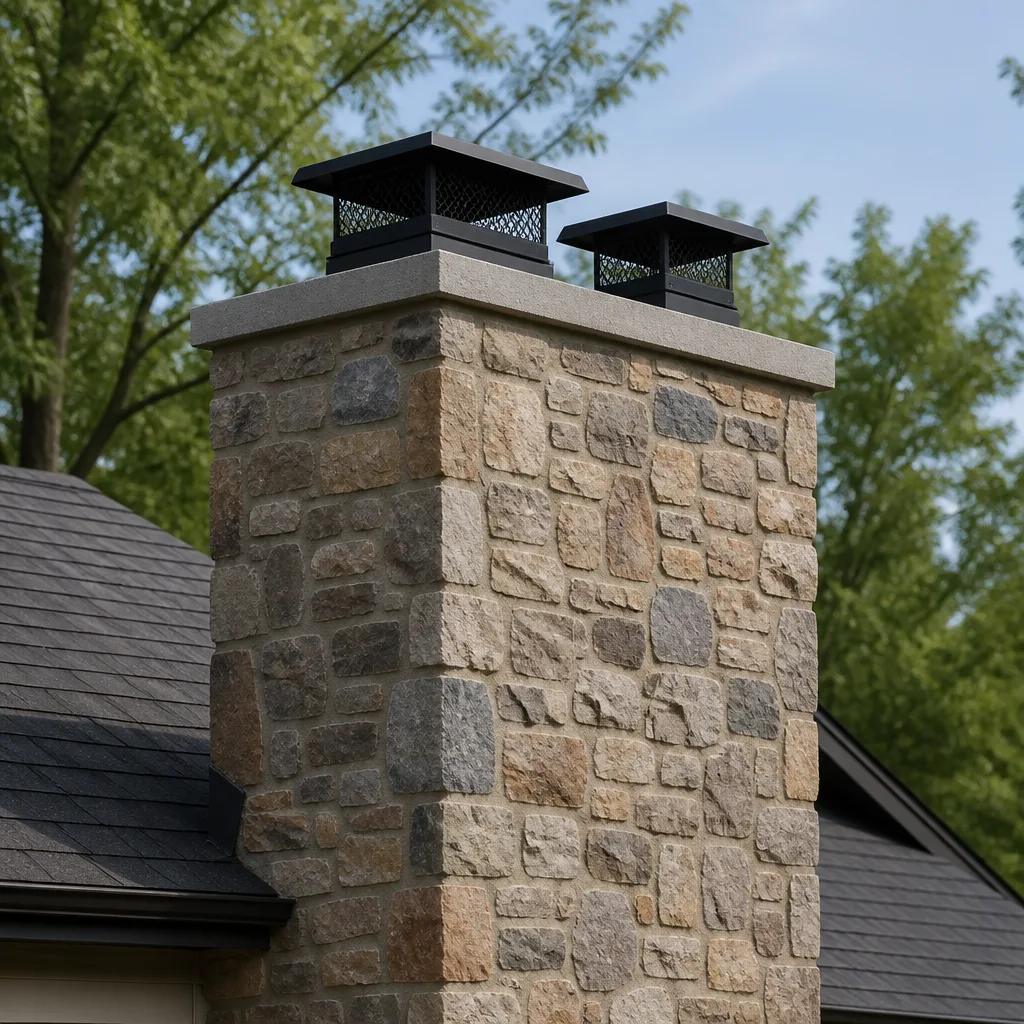
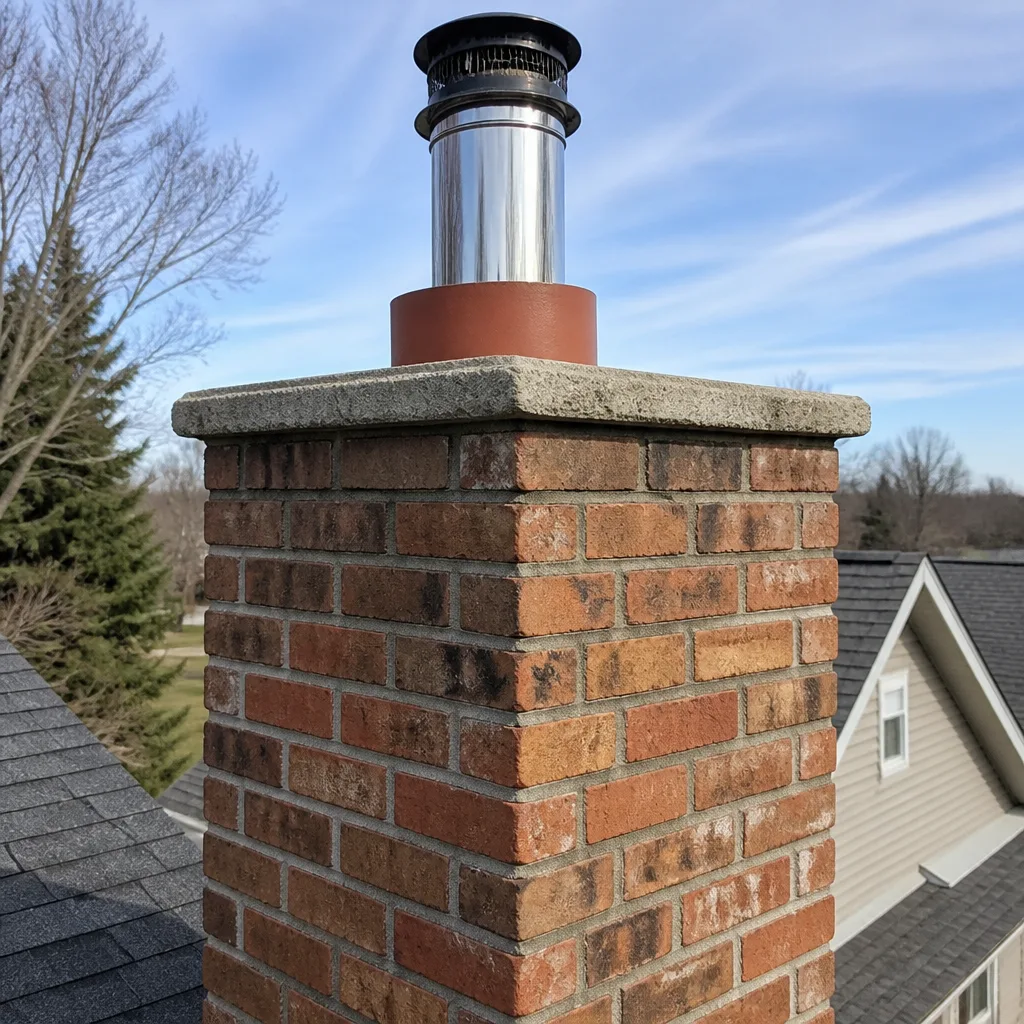
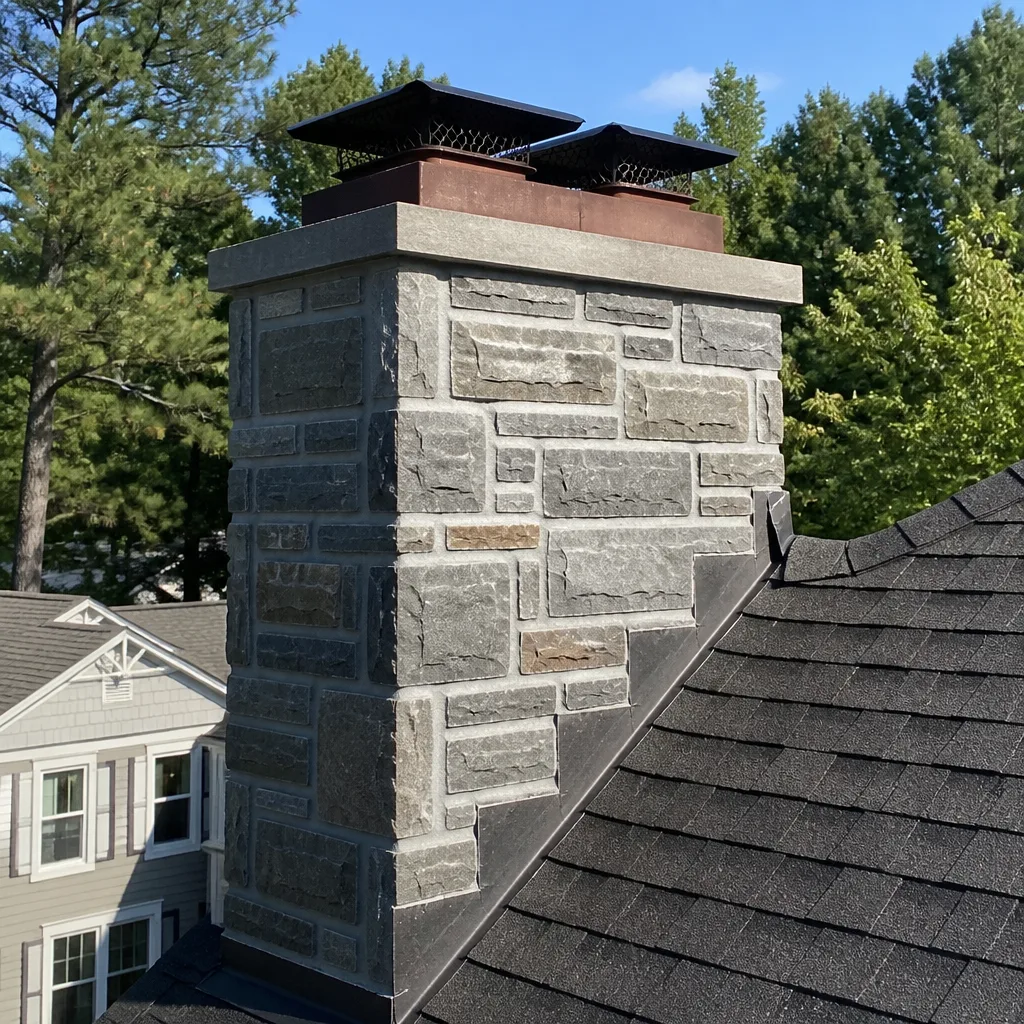
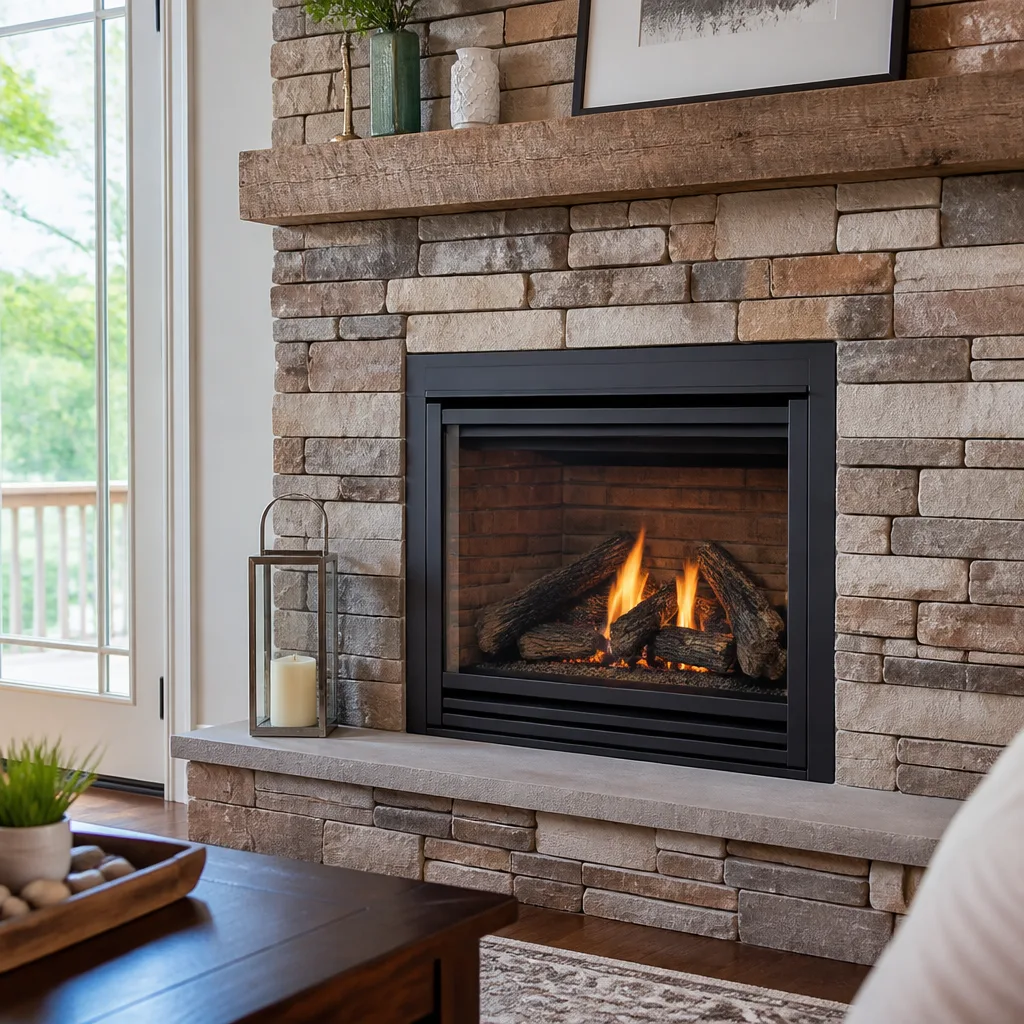
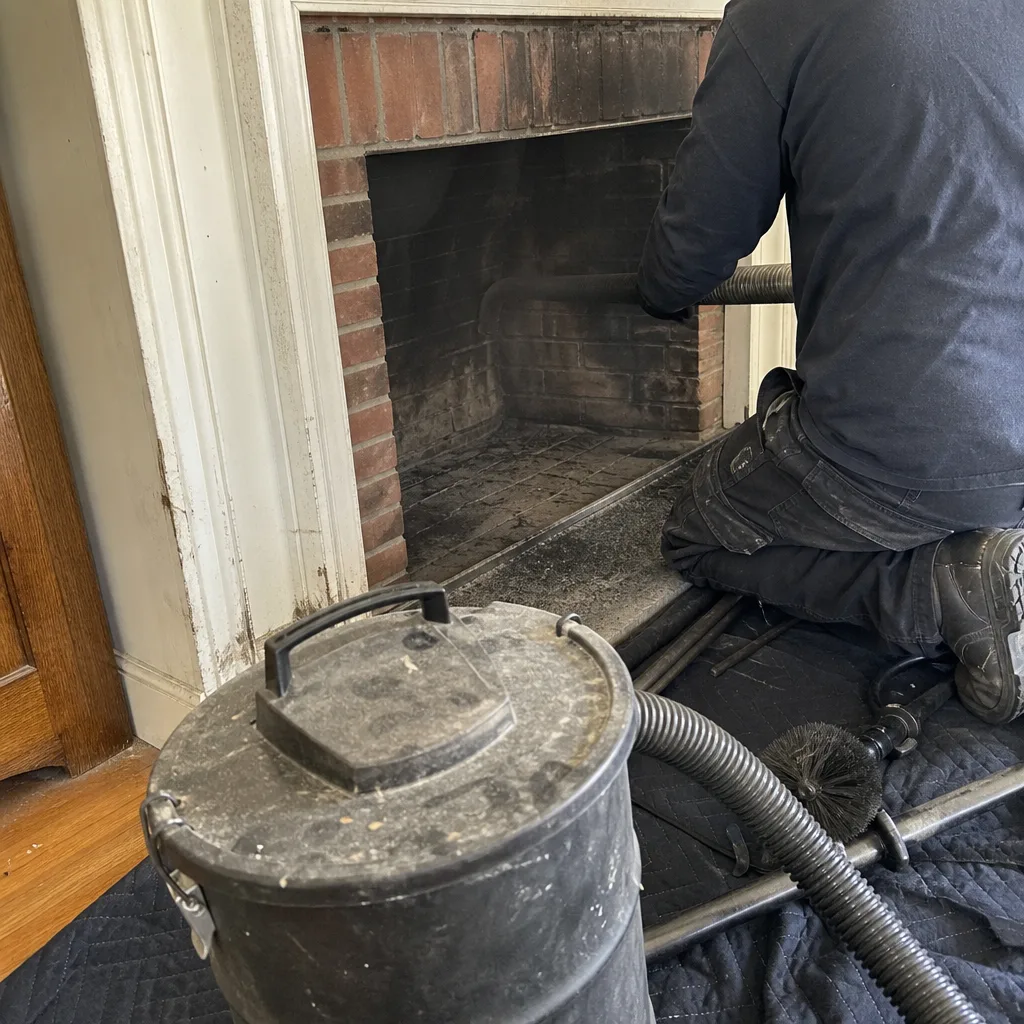 Before
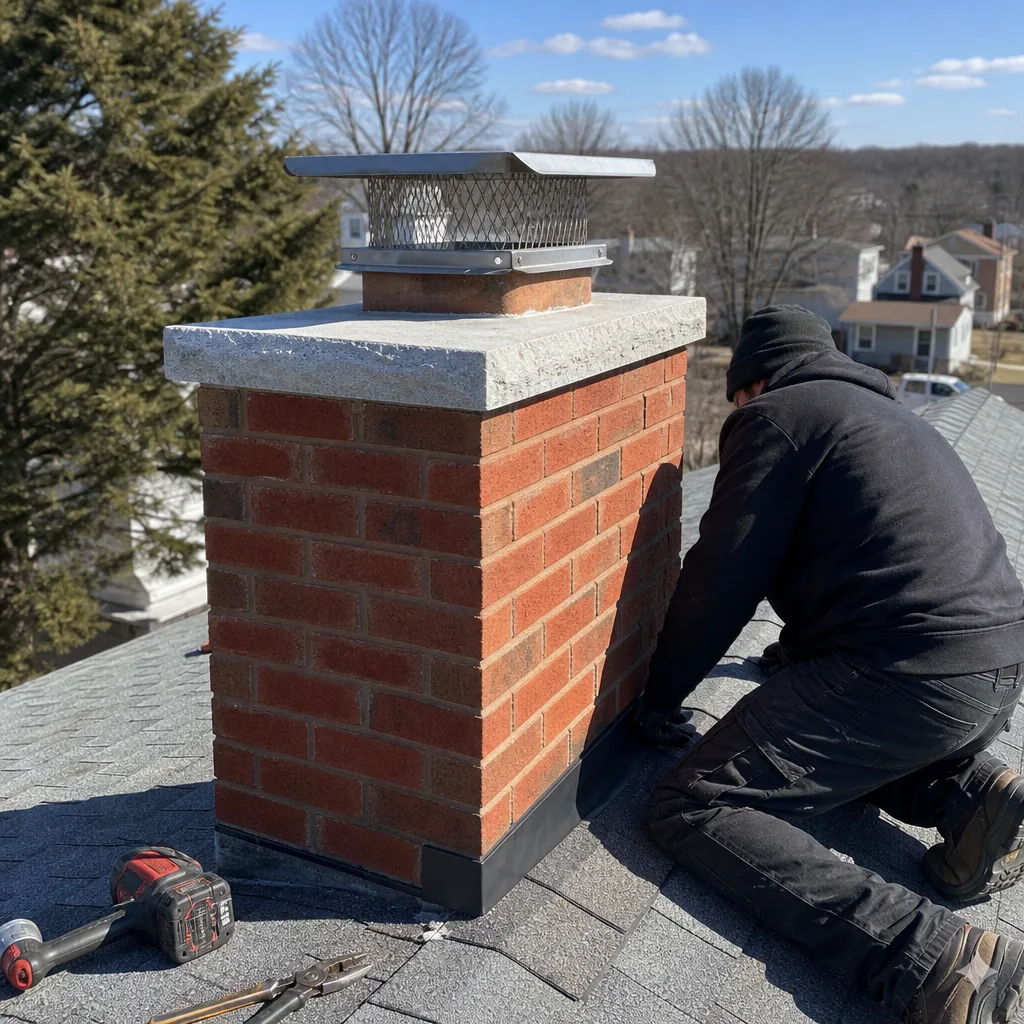 After
After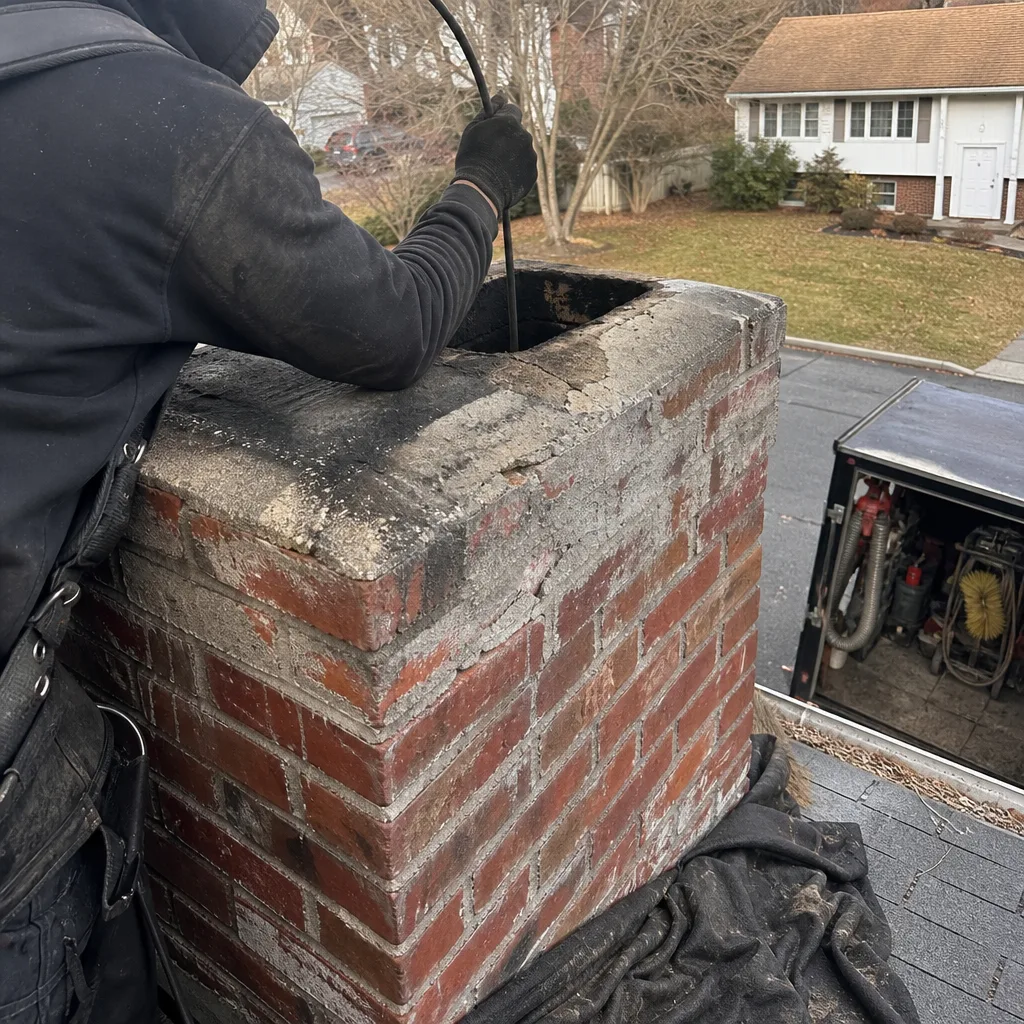 Before
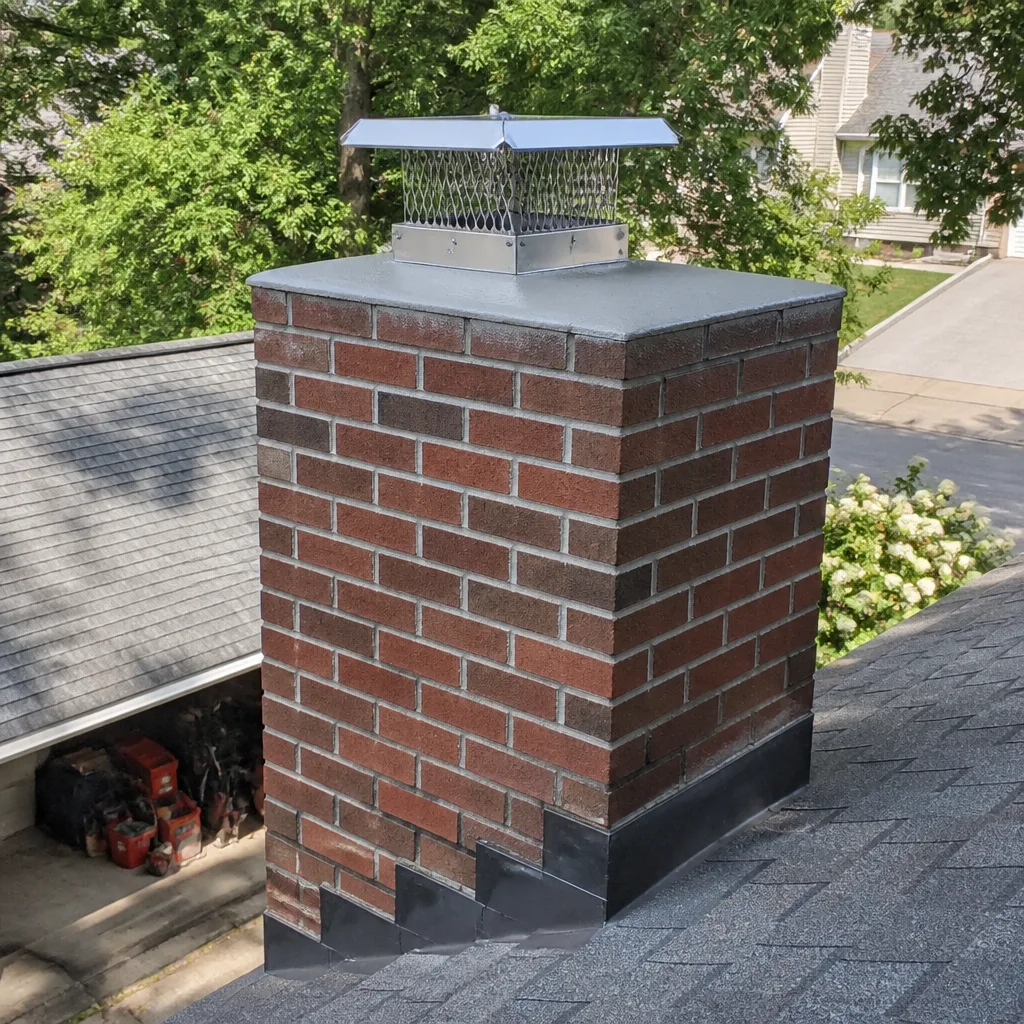 After
After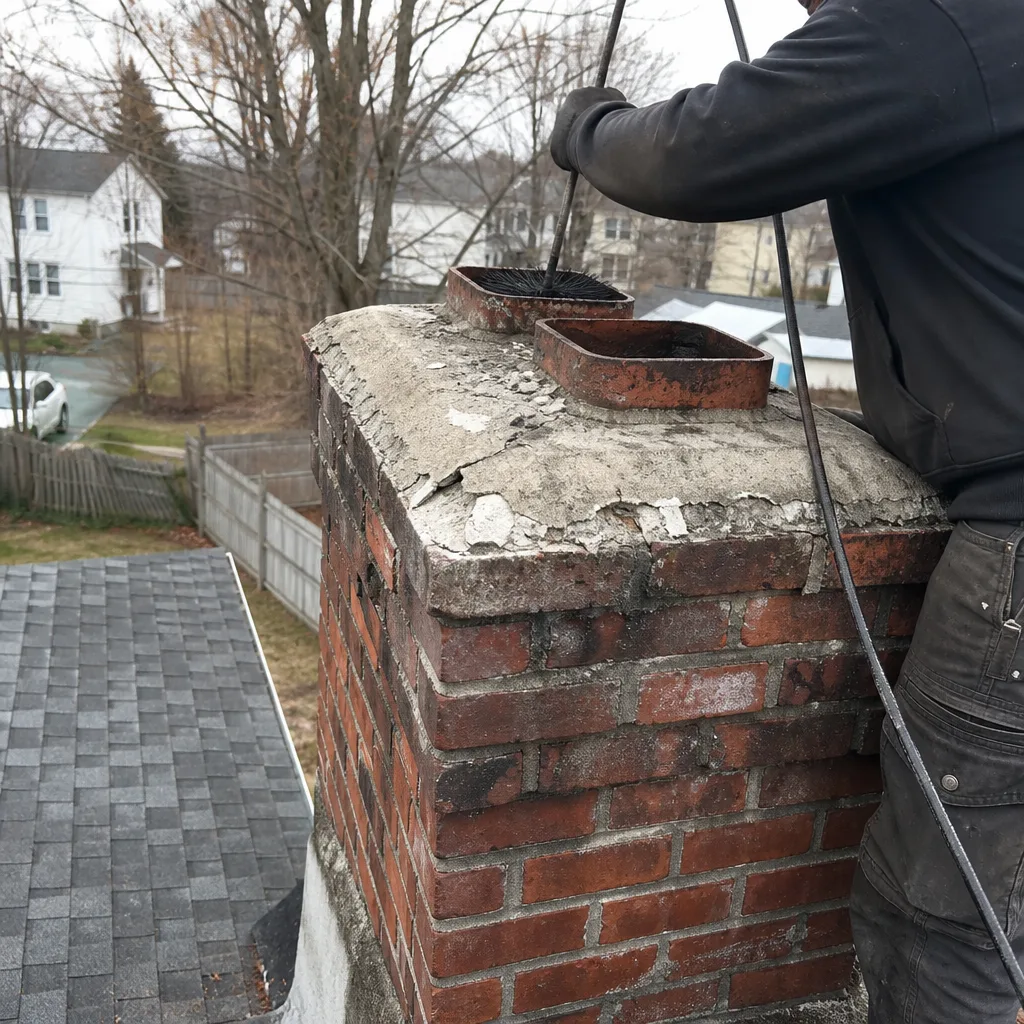 Before
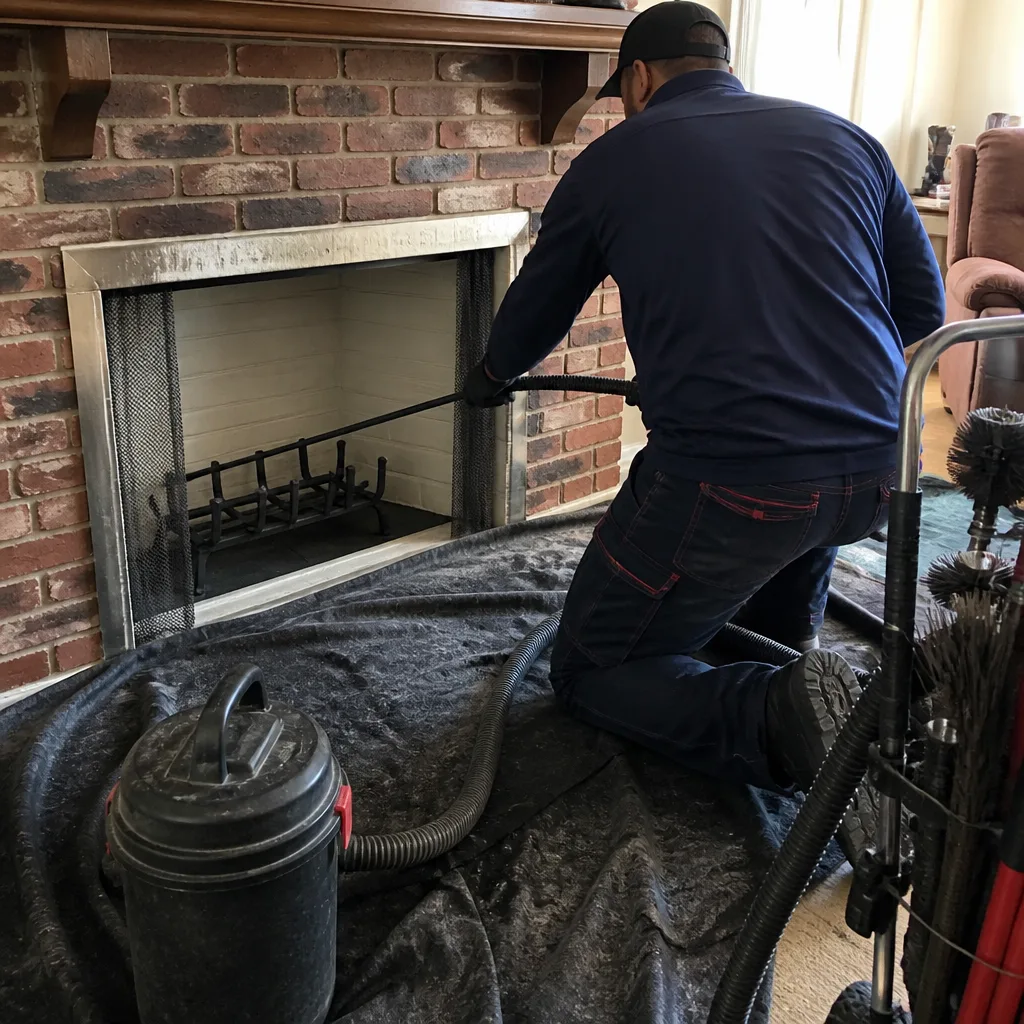 After
AfterChimney Cleaning Cost Breakdown: The Peabody Homeowner’s Reference for 2026
A $79 chimney cleaning coupon and a $350 chimney cleaning quote are sometimes for the exact same job. The difference rarely has anything to do with how thorough the work will be. It has to do with which company’s marketing you saw first, whether they already have a truck in your Peabody neighborhood, and how much they think they can get once they’re standing in your living room. This guide walks through what a sweep actually costs in this part of Essex County in 2026, what’s legitimately extra, what’s often not, and how to know the difference before you book. For more guides & resources, visit our blog.
Quick Answer
A standard chimney cleaning in Peabody, MA runs between $180 and $340 in 2026, with most single-flue masonry chimneys landing around $220 to $260. That price should include the sweep itself, a Level 1 visual inspection, and a written report. Prefab chimneys and gas fireplaces usually cost less to clean; chimneys with heavy creosote glaze, animal obstructions, or liners that need camera evaluation cost more.
Table of Contents
- What a Standard Cleaning Actually Includes in Peabody
- Add-Ons: Camera Inspection, Chemical Treatment, Cap Replacement
- How Chimney Type Changes the Price
- How to Get an Accurate Phone Quote
- What a 90-Day Done Right Promise Means in Dollars
- Why Peabody Prices Vary So Much
- Common Mistakes to Avoid
- When to Call a Professional
- Frequently Asked Questions
- The Bottom Line
What a Standard Cleaning Actually Includes in Peabody
Here’s the honest version of what a cleaning should cover when you pay the going rate in the Peabody market, drawn from our Chimney Cleaning & Sweep Maintenance Checklist for Peabody Homeowners. The sweep starts with a visual check of the firebox, damper, smoke chamber, and flue. Then they brush the full length of the flue, from the top of the chimney down to the firebox, using a brush sized to your specific liner diameter. After brushing, they vacuum the firebox, smoke shelf, and any accessible cleanout door. A Level 1 inspection is part of the job; that’s a basic check of the readily accessible portions of the chimney structure and interior flue. You should get a written summary of what was found and removed, not just a “looks good” on the way out the door.
That’s the baseline. If a company quotes you $79 for all of that, they’re not planning to do all of it, or they’re planning to make up the difference with add-ons once they arrive. A sweep in Peabody who does the job properly spends 60 to 90 minutes on a routine cleaning. At $79, the math doesn’t work for anyone carrying liability insurance, licensing fees, and a vehicle across Essex County roads.
What you should expect to see in the written report: type and amount of creosote removed (first, second, or third-degree), condition of the flue tiles or liner joints, damper operation, cap and crown condition, and any water staining or animal activity. If a report only says “swept” with no detail, you paid for half a job.
Add-Ons: Camera Inspection, Chemical Treatment, Cap Replacement
Some add-ons are necessary. Some are upsells. Here’s how to tell the difference.
Camera Inspection: Sometimes Worth Every Dollar
A camera inspection runs $100 to $200 on top of the cleaning in the Peabody area. It involves running a small camera up the flue to look at the interior liner surface in detail. When is it worth it? If you’re buying a house and want to know the liner’s condition before closing, if the sweep found third-degree creosote glaze and needs to see whether the liner is cracked underneath, or if you haven’t had the chimney looked at in a decade and want a real baseline. When is it just an upsell? If you have a one-year-old prefab chimney that’s been swept annually and burns dry wood, the camera isn’t going to show you anything you don’t already know. The camera footage and a plain-English verdict should be standard practice if the inspection happens at all. If a company can’t show you the footage and explain what it means, don’t pay for it.
Chemical Treatment: Usually a Brush Job Is Enough
First-degree creosote is a brush job. Third-degree is a glaze; catch it early. Chemical treatments like PCR or creosote removers are sometimes pitched as a necessary part of every cleaning. They’re not. These products help break down glaze when the buildup is too thick or hard for a standard brush to remove. On a routine annual cleaning with normal first-degree creosote, a chemical treatment is doing nothing but adding $80 to $150 to your invoice. If your sweep recommends chemical treatment, ask to see the glaze. The honest ones will point to exactly what they’re treating and why a brush won’t get it.
Cap Replacement: Depends on What’s Up There
A replacement chimney cap runs $150 to $400 installed in Peabody, depending on the material and size. A standard stainless cap from a brand like Famco or Copperfield sits at the lower end; custom copper caps run higher. You need a cap if yours is rusted through, missing, or sized wrong. You don’t need a new cap just because the one you have is dirty. A sweep who tries to sell you a cap before they’ve even looked at the one you have is selling, not sweeping.
How Chimney Type Changes the Price
Not all chimneys are built the same, and the labor involved reflects that. Here’s what Peabody homeowners should know about the three most common setups in the area’s housing stock, which spans early-1900s colonials near the center of town to 1980s and 1990s raised ranches and capes on the outer roads.
Masonry Chimney with Clay Tile Liner
This is the most common in older Peabody homes, and the most labor-intensive to clean properly. The flue is lined with terra cotta tiles that trap creosote in the joints between sections. A thorough sweep means brushing those joints carefully, and the inspection means looking for cracked or spalled tiles. Expect the higher end of the price range, $240 to $340, for a masonry chimney that hasn’t been cleaned in a few years. Masonry is also where liner problems show up most often; older tiles crack under years of heating and cooling cycles, and New England freeze-thaw conditions don’t help.
Prefab or Factory-Built Chimney
Prefab chimneys are metal, double or triple-wall pipe systems usually running through a framed chase. They were standard in many Peabody subdivisions built after 1980. Cleaning a prefab chimney is generally faster and cheaper, in the $160 to $220 range, because the metal flue surface doesn’t hold creosote the way clay tile does and there’s no masonry to inspect. But the inspection matters differently here: prefab systems are tested as a unit, and mixing replacement parts between manufacturers can invalidate the listing. If you have a prefab, don’t let anyone install off-brand parts.
Gas Fireplace or Insert
Gas fireplaces still need service, but it’s a different job. The direct-vent gas flue should be checked for debris, animal nests, and venting integrity; the glass and logs cleaned; and the burner inspected. In Peabody, gas fireplace service typically runs $120 to $180. It’s not a brush-and-vacuum job the way a wood-burning flue is, and any company quoting you the wood-burning price for a gas unit is either inexperienced or hoping you don’t know the difference.
How to Get an Accurate Phone Quote
The single biggest reason people get a $99 quote on the phone and a $450 invoice at the door is that they didn’t give the company enough information to quote accurately. Here’s what a sweep needs to know before they can give you a real number, and how to have that conversation.
- What you burn. Say “wood-burning fireplace on a masonry chimney” or “gas insert in a prefab.” That alone cuts the possible price range in half. If you burn wood, say how often; a chimney that sees three fires a week from October through March has very different creosote loading than one used twice on holidays.
- When it was last cleaned. Be honest. If you can’t remember, say that. A chimney that hasn’t been touched in eight years takes longer and may need a second pass. Knowing it’s been a while means the company can tell you the honest price for that job, not the price for an annual maintenance cleaning.
- What you’ve noticed. Any of these are relevant: smoke backing up into the room, an odor when the wind blows a certain way, animal sounds from the flue, water staining on the ceiling near the chimney, or a damper that won’t fully open. Each one tells the sweep what they’re walking into.
If the person on the phone doesn’t ask you any of these questions and still gives you an exact price, that price is a marketing number, not an estimate. The number you hear on the phone is the number on the invoice; that’s how Top Hat Chimney home has done it since 1999, and it’s what you should expect from any company you call.
What a 90-Day Done Right Promise Means in Dollars
Here’s the calculation most Peabody homeowners don’t make. If a cleaning misses a section of creosote, or a cap install leaves a gap, what does it cost you to get it fixed? With most companies, the answer is the full trip charge plus labor, because they’re not obligated to come back. With a 90-Day Done Right Promise in writing, the answer is zero.
In practice, that means this: if Wendell and his crew miss something on a sweep, or a repair doesn’t hold, one call brings them back at no additional cost within 90 days. The homeowner’s cost to correct a missed spot without a guarantee is $100 to $200 for a return visit. That’s the actual dollar value of the promise, and it’s part of why the price you pay should include it. Any company can say “we stand behind our work.” In this business, the ones who mean it put it in writing on the invoice.
If a chimney company won’t tell you what happens when they miss something, ask. The pause before the answer tells you everything you need to know.
Why Peabody Prices Vary So Much
Peabody sits in a strange spot for chimney pricing. It’s close enough to Boston that national chains and franchise operations market heavily here, spending real money on search ads and direct mail. It’s also a city with a lot of older housing stock; many of the homes around Washington Street, South Peabody, and West Peabody were built before 1950 and have masonry chimneys that need more than a quick brush. So you have national companies with big marketing budgets competing with local operators who have been sweeping these same streets for decades, and the prices reflect the marketing costs more than the labor.
The $79 coupons come from companies that spend heavily on customer acquisition. They price the basic job below cost and make it up on add-ons, replacement recommendations, and repairs. The $350 quotes sometimes come from companies with more demand than they can handle, pricing high because they can. The honest middle, $220 to $260 for a standard masonry chimney cleaning, is where most of the independent sweeps in Essex County actually land. Chimney cleaning and sweep services in Peabody from a local owner-operator should be in that range, with no bait pricing and no surprise add-ons.
What you’re paying for is not just the labor. It’s insurance, licensing, the equipment, the truck, the time driving, and the experience to know what a clean flue actually looks like. Wendell Pike has been doing this since 1999, and a lot of what you’re paying for is the ability to spot a cracked flue tile before it becomes a chimney fire. Ask anyone on your street; the people who’ve used a cheap sweep once and a real one the next time can tell you the difference.
Common Mistakes to Avoid
- Booking the coupon price without asking what it covers. A $79 cleaning that doesn’t include the inspection or report isn’t a cleaning. Ask whether the Level 1 inspection is in the price before you book.
- Waiting until smoke fills the living room to call. Once a year, burn or no burn. Chimneys break in the off-season too, and a summer inspection catches problems before the first cold night.
- Letting someone do a repair without seeing the problem yourself. If a sweep recommends a liner replacement or masonry work, they should be able to show you camera footage or photos. No proof, no work.
- Paying for a new cap because the old one is dirty. Caps can be cleaned. They rarely need full replacement unless they’re rusted through or missing sections.
- Assuming a gas fireplace never needs service. Gas units don’t make creosote, but they do get animal nests, debris, and burner buildup. A neglected gas fireplace can vent carbon monoxide into the room.
- Not asking about the guarantee before paying. Know what happens if the job isn’t right. If there’s no written answer, assume you’ll be paying full price to have it redone.
- Comparing quotes by total price alone. A $260 quote that includes the sweep, inspection, report, and a written guarantee is cheaper than a $180 quote that doesn’t include any of those.
When to Call a Professional
Some jobs are for the homeowner, and some are not. You can clear ash from the firebox. You can check the damper opens and closes. But anything involving the flue itself, the liner, the cap, or the crown belongs to someone who does this every day. Call a sweep in Peabody when you notice smoke drifting into the room instead of up the flue, when you smell creosote or campfire odor in the house during humid weather, when water stains appear on the ceiling near the chimney, when you hear animal noises from the flue, or when it’s simply been more than a year since anyone looked at the chimney. Chimney repair services in Peabody from Top Hat Chimney are backed by the 90-Day Done Right Promise, and estimates are free. Call (978) 637-8560 for an honest assessment before burning season starts.
Frequently Asked Questions
A standard chimney cleaning in Peabody runs between $180 and $340, with most masonry chimneys landing around $220 to $260. The price includes the sweep, a Level 1 inspection, and a written report. Prefab chimneys run $160 to $220, and gas fireplace service runs $120 to $180. Call (978) 637-8560 for an exact quote; estimates are free and the price quoted is the price on the invoice.
No. A liner replacement is a $2,500 to $6,000 job in the Peabody area, and per Chimney Cleaning Permits, Codes & Inspections in MA: What You Need to Know, it should never be recommended without camera evidence. If a sweep says your liner needs replacement, ask to see the footage. A cracked tile, a separated joint, or a liner that has spalled sections are real problems. “It’s old” is not a problem on its own. Products like HeatShield or DuraFlex are standard for relining when a replacement is genuinely needed, but the evidence comes first.
Once a year if you burn wood, regardless of how often. The National Fire Protection Association standard is to clean when creosote buildup reaches 1/8 inch, which for most wood-burning households in Peabody happens about once per heating season. If you burn green or unseasoned wood, you may need it more often. Gas fireplaces should be inspected and serviced once a year as well. Burn or no burn, the off-season is when cracks, water damage, and animal nests get caught early.
Creosote builds up along the flue walls. First-degree creosote is fluffy and comes off with a brush. If left, it hardens into second and third-degree creosote, which is essentially tar glaze. That glaze is fuel; a hot enough fire ignites it, and a chimney fire burns hot enough to crack flue tiles, warp a metal liner, or spread into the framing around the chimney. Even without a fire, a clogged or narrowed flue drafts poorly, which pushes carbon monoxide and smoke back into the room. The cleaning costs $220 to $260. A relining after a chimney fire costs thousands. Call (978) 637-8560 to schedule before the burning season.
A Level 1 inspection is part of every cleaning. It covers the readily accessible parts of the chimney and flue using a flashlight and basic tools. A Level 2 inspection adds camera scanning of the flue interior and is required when you’re buying or selling a home, after a chimney fire, or after any operational change like switching fuel types or installing a new liner. In Peabody, a Level 2 inspection typically adds $100 to $200 to the cleaning cost. It’s worth it when something has changed; it’s redundant on a recently serviced chimney that hasn’t had any issues.
The low quotes come from companies that price the basic job below cost and make up the difference on add-ons, replacement recommendations, and repair upselling. They may also skip the inspection or report. A legitimate local operator in Peabody quotes the real price for the real job, which includes the sweep, the inspection, the report, and a written guarantee. If the low quote doesn’t specify what’s included, that’s because it’s designed to get someone in the door, not to give you a useful number.
The Bottom Line
A fair chimney cleaning in Peabody costs $220 to $260 for a masonry chimney and less for prefab or gas units. That price gets you the sweep, the inspection, and a written report. Add-ons like camera inspection are sometimes necessary, but chemical treatment and cap replacement are often not. Your chimney type drives the price more than the company’s advertising budget should. Get the three questions answered before you book, demand camera proof for any big repair recommendation, and make sure the guarantee is in writing. Fireplace services in Peabody from Top Hat Chimney come with upfront pricing and a 90-Day Done Right Promise on every job. Call (978) 637-8560 for a free estimate.
Written by Wendell Pike, Owner at Top Hat Chimney, serving Peabody since 1999.